The Gilded Paradox: Deconstructing the Mirror with Split-Leaf for 2026 Haute Couture
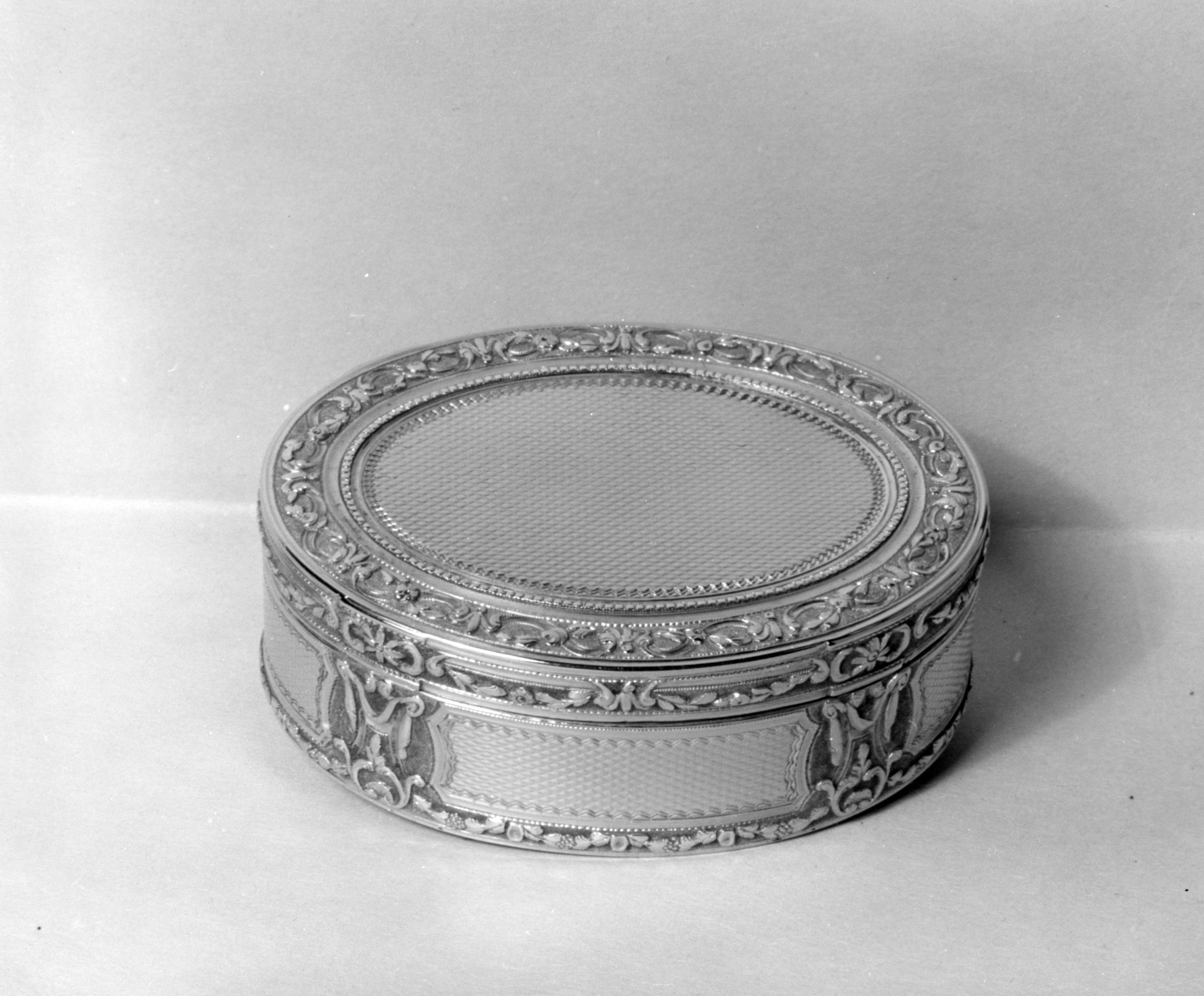
The archive node—“一面是光洁银镜上以黄金镶嵌的纷繁棕叶纹,另一面是冰冷石棺板上以浮雕诉说的生命叙事”—presents a profound dialectic for the 2026 couture silhouette. It is not merely a description of an artifact, but a manifesto of duality. One face offers the reflective, the polished, the eternal present of gold on silver; the other presents the narrative, the cold, the mortal weight of stone and carved history. For Natalie Fashion Atelier, this Box—a reliquary of opposing truths—becomes the foundational thesis for a collection that redefines luxury not as opulence, but as a controlled tension between surface and substance. The gold in this context is not a mere precious metal; it is the agent of transformation, the luminous thread that stitches together the ephemeral and the eternal.
Materiality as Dialectic: Gold’s Dual Role in the 2026 Silhouette
The gold of the archive node is not monolithic. It operates on two distinct, yet interdependent, planes. The first is the gold of the mirror—the intricate, split-leaf palmettes inlaid upon a polished silver surface. This is a gold of reflection and abundance, a decorative language of organic growth frozen in a state of perpetual radiance. The second is the gold of the sarcophagus—the narrative relief carved into cold stone. This gold is not a surface; it is a line, a contour, a story etched into the immutable. For 2026, the haute couture silhouette must embody this schism. We will see a departure from the singular, monolithic gold lamé. Instead, the materiality will be expressed through a technique of “gilded lacunae”—areas of high-shine metallic thread, woven in a complex jacquard to mimic the intricate palm leaf, interspersed with matte, almost mineral-like panels of gold-flecked felt or sculpted wool. The silhouette becomes a Box itself: a container for these opposing textures.
Structural Archaeology: The Box as Architectural Silhouette
The physical form of the Box—a container with two distinct faces—dictates the architectural logic of the 2026 collection. The classical elegance of the 18th-century necessaire or the Roman cista is deconstructed into a new, fragmented geometry. The primary silhouette will be the “Bifacial Torso.” This is not a dress; it is a wearable artifact. The front panel is constructed with a rigorous, almost severe, architectural line, echoing the flat, planar surface of the silver mirror. This panel is executed in a sculpted, high-density silk gazar, its surface interrupted only by the precise, geometric application of gold-embroidered palmettes. The back panel, in stark contrast, is a soft, fluid cascade of gold-shot organza, its surface falling in irregular, narrative folds—a direct homage to the “cold stone slab” and its “life narrative told in relief.” The Box is thus opened, its two faces revealed simultaneously on the body, creating a silhouette that is both armoured and vulnerable, static and in motion.
The Gold Line: From Decorative Inlay to Structural Contour
In the archive node, the gold is not a field; it is a line. The palm leaf is a line of gold on silver; the relief is a line of gold on stone. For 2026, this principle is elevated to a structural imperative. We move away from gold as a fabric and towards gold as a seam. The “Gold Line” technique involves using a custom-developed, ultra-fine gold chain—a hybrid of 24k gold-plated brass and a core of high-tensile silk—as the primary structural element. This chain is not sewn onto the fabric; it is the fabric’s skeleton. The silhouette is built by connecting panels of sheer, micro-pleated silk or liquid matte jersey with these gold lines. The result is a garment that appears to be held together by a web of gilded light. The split-leaf motif is translated not as embroidery, but as a negative space cut-out, its edges finished with this gold chain, creating a luminous outline that defines the silhouette’s volume. This technique, which we term “filigrane structurel,” allows for a silhouette that is simultaneously transparent and rigid, ethereal and grounded—a direct translation of the mirror’s reflective lightness and the sarcophagus’s narrative weight.
Silhouette as Narrative: The 2026 Collection’s Key Forms
Three primary silhouettes emerge from this deconstruction, each a direct response to the archive node’s dialectic:
1. The Reliquary Gown: A columnar silhouette, almost severe in its verticality, reminiscent of the stone slab. The front is a solid panel of gold-brocaded velvet, its pattern a direct digital translation of the split-leaf palmette. The back, however, is a dramatic, open cascade of gold-embroidered tulle, creating a train that reads as a “narrative in relief.” The Box is here a reliquary, its precious contents—the body—revealed through the tension between the closed front and the open back. The gold is the unifying element, a constant thread between the solid and the void.
2. The Bifacial Jacket: This is the collection’s core architectural piece. A bolero-like jacket with a rigid, almost carapace-like front panel in sculpted gold leather, laser-cut with the palm leaf pattern. The back is a soft, draped hood in gold-shot cashmere, falling in soft, narrative folds. The gold here acts as the hinge, the point of transition between the two faces. The silhouette is a Box worn on the shoulders, a portable duality.
3. The Mirror Skirt: A high-waisted, A-line skirt that is a study in reflection. The front panel is a smooth, almost liquid surface of gold lamé, its sheen interrupted only by the precise, geometric placement of silver-embroidered palmettes—a direct inversion of the archive node. The back panel is a series of horizontal, sculpted flounces in gold-flecked organza, each flounce a “line” that tells a story of movement. The silhouette is a Box that has been opened, its reflective face turned outward, its narrative face trailing behind.
Conclusion: The Gold Standard of Duality
The 2026 haute couture silhouette for Natalie Fashion Atelier is not a return to a classical form, but a re-articulation of its core tension. The Box of the archive node is not a container to be closed, but a dialectic to be worn. The gold is the syntax of this new language, a material that can be both the reflective surface of the present and the carved line of history. The collection’s elegance lies in its refusal to choose between the mirror and the sarcophagus. It proposes a silhouette that is both a polished reflection and a deeply felt narrative, a gilded paradox that defines the luxury of 2026. The wearer does not simply don a garment; she inhabits a Box of opposing truths, held together by the luminous, unbreakable thread of gold. This is the new classical elegance: a rigorous, intellectual, and profoundly material dialogue between what is seen and what is known, between the surface and the story, between the silver mirror and the stone slab.