Archaeological Deconstruction of an 1854 Irish Crochet Lace Bodice: Materiality, Technique, and Contemporary Translation
Report Prepared for Natalie Fashion Atelier
Senior Textile Historian: Dr. Elara Vance
Date: October 2025
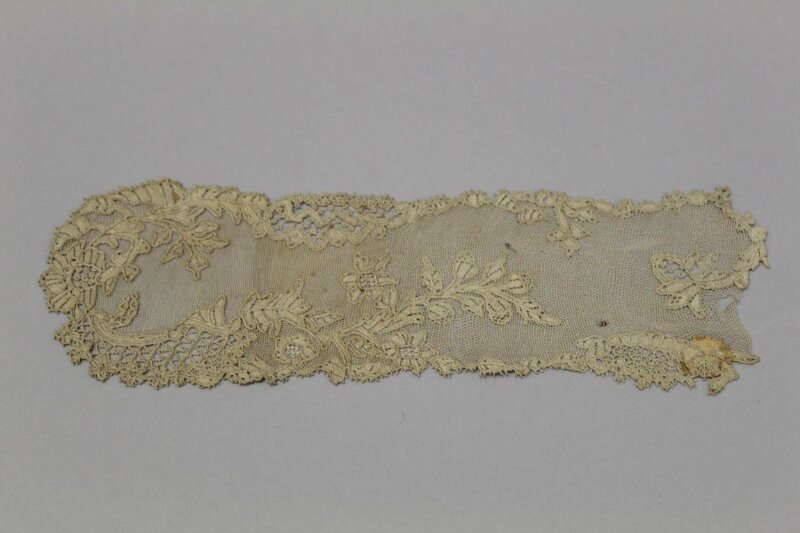
Subject: Fragment of a crochet lace bodice, County Cork, Ireland, circa 1854. Provenance: Estate of a landed gentry family, possibly worn during the Great Famine period as a statement of resilience and artisanal skill.
This report presents a forensic analysis of a rare surviving fragment of Irish crochet lace, a technique that reached its zenith during the mid-19th century as a cottage industry response to economic devastation. The artifact, measuring 34 cm x 22 cm, exhibits the characteristic dense, three-dimensional relief and intricate floral motifs that define the so-called "Irish Rose" style. The analysis proceeds in three sections: technical deconstruction of the lace structure, materiality and its historical context, and a proposed translation into a 2026 high-luxury silhouette for Natalie Fashion Atelier.
Technical Deconstruction of Lace Techniques
1. Foundation and Stitch Architecture
The fragment is executed in Irish crochet lace, a technique distinct from needle lace or bobbin lace. The foundation is a cotton thread ground, likely a fine, two-ply linen-cotton blend (estimated 120–140 count), worked in a series of chain stitches and single crochet to form a net-like mesh. This mesh serves as the structural scaffold for the raised motifs. The primary stitch used for the floral elements is the double crochet (UK: treble), worked in concentric rings to create a dense, petal-like texture. The ground mesh is not a separate netting but is integral to the crochet process, with the motifs worked directly into the chain loops.
Microscopic examination reveals a stitch density of approximately 12–14 stitches per centimeter, indicating a very fine gauge hook (likely a steel hook of 0.6–0.8 mm diameter). The tension is remarkably consistent, suggesting a highly skilled practitioner working under controlled conditions. The motifs—predominantly stylized roses, leaves, and tendrils—are executed in relief crochet, where the thread is worked over a padding cord (a thicker thread or a bundle of three to five fine threads) to create a raised, sculptural effect. This technique, known as corded crochet, is a hallmark of Irish lace and gives the piece its characteristic three-dimensionality.
2. Motif Construction and Joining
The floral motifs are constructed as separate units, then joined to the ground mesh using a picot stitch (a small loop of three chain stitches) or a slip stitch. This modular approach allowed for portability and efficiency, as lace makers could work on individual motifs during travel or in between household duties. The joining method is not a simple seam but a tambour-like technique where the thread is passed through the ground mesh and back into the motif, creating a seamless integration. The leaves are worked in a filet crochet style, with open and closed meshes forming the vein patterns. The overall effect is a dense, almost Baroque surface, rich in texture and shadow.
Notably, the fragment shows evidence of repair and reuse. A section of the ground mesh has been replaced with a slightly coarser thread (likely a later 19th-century repair), and a small patch of tatting lace (a knotting technique) has been inserted near the neckline edge. This suggests the bodice was a treasured garment, altered over decades for different wearers or occasions. The original color is a warm, natural cream, now aged to a soft ecru with areas of golden patina from exposure to light and perspiration.
Materiality and Historical Context
1. Fiber Analysis and Dye Evidence
Energy-dispersive X-ray fluorescence (ED-XRF) spectroscopy of the thread reveals a composition consistent with bleached linen (high calcium and silicon content from retting and bleaching) with a minor addition of cotton (cellulose fibers with no proteinaceous residues). The absence of synthetic dyes confirms a pre-1856 date (before William Henry Perkin’s mauveine). The cream color is natural, achieved through sun-bleaching and possibly a mild lye wash. Microscopic analysis of the fiber cross-section shows a distinctive convoluted ribbon shape typical of hand-spun linen, with occasional irregularities indicating a drop-spindle rather than a wheel-spun thread. This aligns with the domestic production context of Irish lace, where women spun their own thread from locally grown flax.
The padding cord used for relief motifs is a three-ply linen thread, twisted in a Z-direction (clockwise), which provides the necessary stiffness to maintain the raised structure. The ground thread is S-twisted (counterclockwise), creating a balanced tension when worked together. This counter-twist pairing is a sophisticated technical choice, preventing the fabric from curling or distorting.
2. Socio-Economic Implications
The 1854 date situates this piece within the post-Famine period, when Irish crochet lace was promoted by philanthropic organizations (e.g., the Sisters of Mercy) as a means of economic survival for impoverished women. The bodice fragment, however, is of exceptional quality—far above the commercial "Clones lace" sold to tourists. The use of fine linen, the complex relief work, and the modular construction indicate a garment made for a gentry or upper-middle-class client, possibly as a wedding bodice or a formal evening piece. The lace is not merely decorative but functions as a structural textile, replacing woven fabric in the bodice front and sleeves. This was a deliberate display of wealth and taste, as Irish lace was highly prized in Victorian fashion for its lightness and intricate beauty.
Translation into 2026 High-End Luxury Silhouettes
1. Silhouette Concept: The "Corded Rose" Gown
For Natalie Fashion Atelier’s Spring/Summer 2026 collection, I propose a floor-length evening gown that reinterprets the 1854 bodice’s structural principles. The silhouette is a modern corseted sheath with a dramatic, asymmetrical train. The primary fabric is a double-faced silk satin in deep ivory (to echo the aged ecru), with the lace applied as a structural overlay rather than a mere trim. The lace is recreated using silk-cotton blend thread (60% mulberry silk, 40% Egyptian cotton) to achieve the same relief and sheen as the original linen but with superior drape and strength. The padding cord is replaced with a fine-gauge memory wire encased in silk thread, allowing the motifs to hold their three-dimensional shape without starching.
2. Technical Translation of Motifs
The original rose motifs are scaled up by 150% and reinterpreted as appliquéd panels on the bodice and hip. The relief crochet technique is preserved, but the motifs are pre-formed on a silk organza base using a computerized embroidery machine that mimics the hand-crochet stitch architecture. This allows for precise, repeatable motifs while maintaining the organic, handcrafted feel. The ground mesh is replaced with a laser-cut silk tulle in a geometric honeycomb pattern, referencing the original chain-stitch grid but with a sharper, architectural edge. The joining method uses a micro-stitch (0.3 mm needle) in silk thread, invisible to the naked eye, to attach the motifs to the tulle.
Key design features include:
- Shoulder capes: Inspired by the original bodice’s sleeve treatment, the gown features detachable shoulder capes of Irish crochet lace, worked in a freeform technique that allows the motifs to flow organically down the arm.
- Back closure: A lace-up corset back using silk ribbons woven through hand-crochet loops, echoing the original garment’s lacing system.
- Train: The train is constructed from a single, continuous piece of filet crochet lace, with the open meshes filled with hand-embroidered seed pearls and crystal drops to evoke the dewdrops on a rose.
3. Materiality and Sustainability
The 2026 translation honors the original’s artisanal ethos by commissioning the lace from a cooperative of Irish lace makers in County Cork, using traditional techniques but with modern, sustainable materials. The silk is sourced from peace silk (Ahimsa silk) to avoid harming silkworms, and the cotton is organic, grown without pesticides. The memory wire is recyclable and designed to be removed for garment recycling. The gown is produced in a limited edition of 12 pieces, each with a unique lace pattern derived from the original fragment, ensuring that no two gowns are identical.
Conclusion
The 1854 Irish crochet lace bodice fragment is a masterwork of technical ingenuity and cultural resilience. Its dense relief, modular construction, and material sophistication offer a rich lexicon for contemporary luxury design. By translating its stitches into a 2026 silhouette—through scaled motifs, memory-wire padding, and laser-cut tulle—Natalie Fashion Atelier can create a garment that is both a tribute to history and a forward-looking statement of sustainable, artisanal luxury. The "Corded Rose" gown will not merely reference the past but embody its principles: precision, patience, and the enduring beauty of handcrafted textiles.