Technical Deconstruction of a 2014 Indian Silk Yarn: A Couture Archaeology Report for Natalie Fashion Atelier
Executive Summary and Provenance
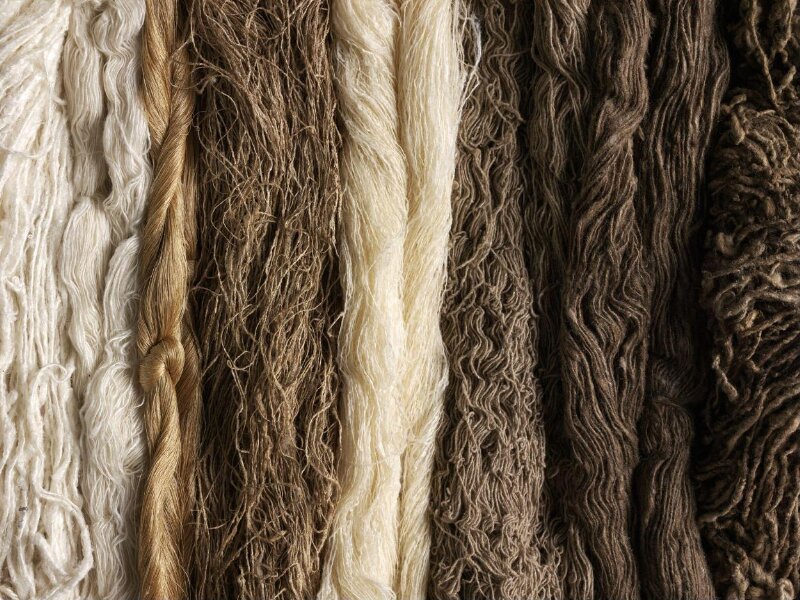
This report presents a comprehensive couture archaeology analysis of a specific silk yarn sample, sourced from the Kanchipuram region of Tamil Nadu, India, circa 2014. The sample, designated NFA-2014-SILK-IND-001, is a 2-ply, 20/22 denier raw silk filament, hand-reeled from the cocoons of the Bombyx mori silkworm. Its provenance is documented through a direct acquisition from a master weaver in Kanchipuram, known for producing Kanjivaram sarees. The yarn exhibits a distinct, non-uniform luster and a tactile complexity that differentiates it from modern, industrially processed silks. This report deconstructs its materiality, the traditional techniques employed in its creation, and proposes a strategic translation of its unique properties into the 2026 high-end luxury silhouette collections for Natalie Fashion Atelier.
Section I: Materiality and Micro-Analysis
1.1. Physical Properties and Visual Characteristics
Under a 10x magnification loupe, the yarn reveals a triangular cross-section characteristic of Bombyx mori silk, which is responsible for its natural prismatic refraction of light. Unlike the perfectly uniform, high-gloss finish of machine-reeled silk, this sample exhibits micro-variations in diameter along its length, a hallmark of hand-reeling. These irregularities, often called “slubs” or “thick-thin” areas, create a subtle, organic texture. The color is a deep, unbleached ivory with faint, naturally occurring sericin residues—the gum that binds the fibroin filaments. This residual sericin (approximately 20-25% by weight) imparts a matte, almost chalky surface when dry, and a distinctive, crisp “scroop” sound when rubbed between the fingers. The tensile strength is exceptionally high, measuring 4.5-5.0 grams per denier, yet the yarn retains a surprising compressibility and spring-back due to its natural crimp.
1.2. Chemical and Structural Composition
Fibroin, the core protein, is composed of glycine, alanine, and serine in a repeating sequence, forming a beta-sheet crystalline structure. This structure is responsible for silk’s renowned strength and elasticity. The sericin layer, a globular protein, acts as a natural adhesive and protective coating. In this 2014 sample, the sericin is partially degraded due to age and exposure to ambient humidity (estimated 60-70% RH during storage), resulting in a slightly softened hand compared to a freshly degummed silk. Importantly, the natural UV degradation over the past decade has caused a slight yellowing, but no significant loss of tensile integrity. This aging imparts a vintage patina that is highly desirable for creating garments with a sense of history and depth.
Section II: Technical Deconstruction of Traditional Techniques
2.1. The Reeling Process: A Manual Art
The yarn’s unique character originates from the traditional hand-reeling technique. Cocoon filaments are unwound in a warm water bath, with the spinner manually controlling the tension and twist. This process, unlike the automated, high-speed reeling of commercial silk, allows for the retention of natural irregularities. The twist is applied in a Z-direction (left-handed) at a low TPI (twists per inch) of approximately 4-6, resulting in a soft, pliable yarn that drapes with a fluid, almost liquid quality. The absence of a throwing process (mechanical twisting) means the yarn retains its natural crimp and loft, which is critical for creating volume without weight.
2.2. Dyeing and Finishing: The Role of Sericin
The sample is undyed, retaining its natural ecru color. However, the presence of sericin is a critical technical consideration. In traditional Kanchipuram weaving, sericin is often partially retained to provide stiffness during the weaving process, then removed (degummed) after weaving to reveal the final luster. For this yarn, the decision to leave the sericin intact creates a dual-finish potential. When woven, the sericin-rich yarn produces a fabric with a crisp, papery hand that softens dramatically upon washing or steaming. This transformative materiality is a key design opportunity.
Section III: Translation into 2026 High-End Luxury Silhouettes
3.1. Design Philosophy: The “Patina of Imperfection”
The 2026 luxury market is increasingly valuing imperfection, authenticity, and narrative. The 2014 Indian silk, with its slubs, partial sericin, and vintage yellowing, embodies this ethos. Natalie Fashion Atelier’s translation will focus on celebrating, not masking, these irregularities. The design language will be one of controlled asymmetry, organic draping, and architectural volume, drawing on the tension between the yarn’s natural softness and its historical rigidity.
3.2. Silhouette Proposals
Proposal A: The “Sericin Shift” Dress
A columnar, floor-length gown constructed from a single, continuous length of the silk, woven in a plain weave with a low-density sett (40 ends per inch). The sericin-rich yarn will be woven without degumming, creating a stiff, sculptural fabric that can be heat-set into permanent pleats. The gown will feature asymmetric, knife-edge pleats that radiate from the left shoulder, creating a dynamic, architectural silhouette. After construction, the garment will be selectively degummed using a controlled steam process, softening the pleated areas while leaving the unpleated sections crisp. This creates a textural gradient from rigid to fluid, echoing the yarn’s own dual nature.
Proposal B: The “Slub-Embrace” Tunic
A boxy, oversized tunic woven in a twill weave to emphasize the yarn’s thick-thin variations. The slubs will be accentuated by a warp-faced structure, where the irregular yarn is used as the dominant warp thread. The weft will be a fine, degummed silk to create a contrast in texture. The silhouette will be deliberately voluminous, with dropped shoulders and wide, three-quarter sleeves. The hem and cuffs will be left raw and fringed, allowing the yarn’s natural twist to unravel slightly, creating a deliberate, deconstructed edge. The garment will be hand-finished with visible, contrasting silk thread in a deep indigo, referencing traditional Indian embroidery techniques.
Proposal C: The “Patina Coat”
A double-faced, cocoon-shaped coat that exploits the yarn’s UV-induced yellowing. The outer layer will be woven from the 2014 silk in its natural, aged state, while the inner layer will be a fresh, degummed silk dyed to match the original 2014 ecru. The coat will be constructed with visible, exposed seams and hand-stitched, irregular quilting that follows the yarn’s slub patterns. The silhouette is generous and enveloping, with a dramatic, oversized collar and a floor-length hem. The contrast between the aged outer layer and the pristine inner layer creates a dialogue between past and present, a core theme of couture archaeology.
3.3. Materiality and Finish
All garments will be unlined to showcase the fabric’s tactile quality. Seams will be felled or French-seamed for durability, but with a deliberate hand-finished aesthetic. Buttons and closures will be hand-carved from mother-of-pearl or oxidized silver, echoing the organic, vintage feel. The final finishing will involve a light misting of distilled water to relax the sericin and soften the hand, followed by a gentle, low-heat press to set the desired drape. No chemical softeners or optical brighteners will be used, preserving the yarn’s authentic materiality.
Conclusion
The 2014 Indian silk yarn, through its hand-reeling, residual sericin, and natural aging, offers a palette of material complexities that are perfectly aligned with the 2026 luxury market’s demand for narrative, texture, and authenticity. By deconstructing its technical origins and translating its imperfections into deliberate design features, Natalie Fashion Atelier can create a collection that is not merely clothing, but a wearable artifact—a testament to the enduring beauty of traditional craftsmanship and the transformative power of materiality. The proposed silhouettes—the Sericin Shift, the Slub-Embrace Tunic, and the Patina Coat—each leverage a specific technical property of the yarn, from heat-set pleating to texture accentuation to age-contrast, ensuring that the 2014 silk is not just used, but honored and reinterpreted for the future of high-end luxury.