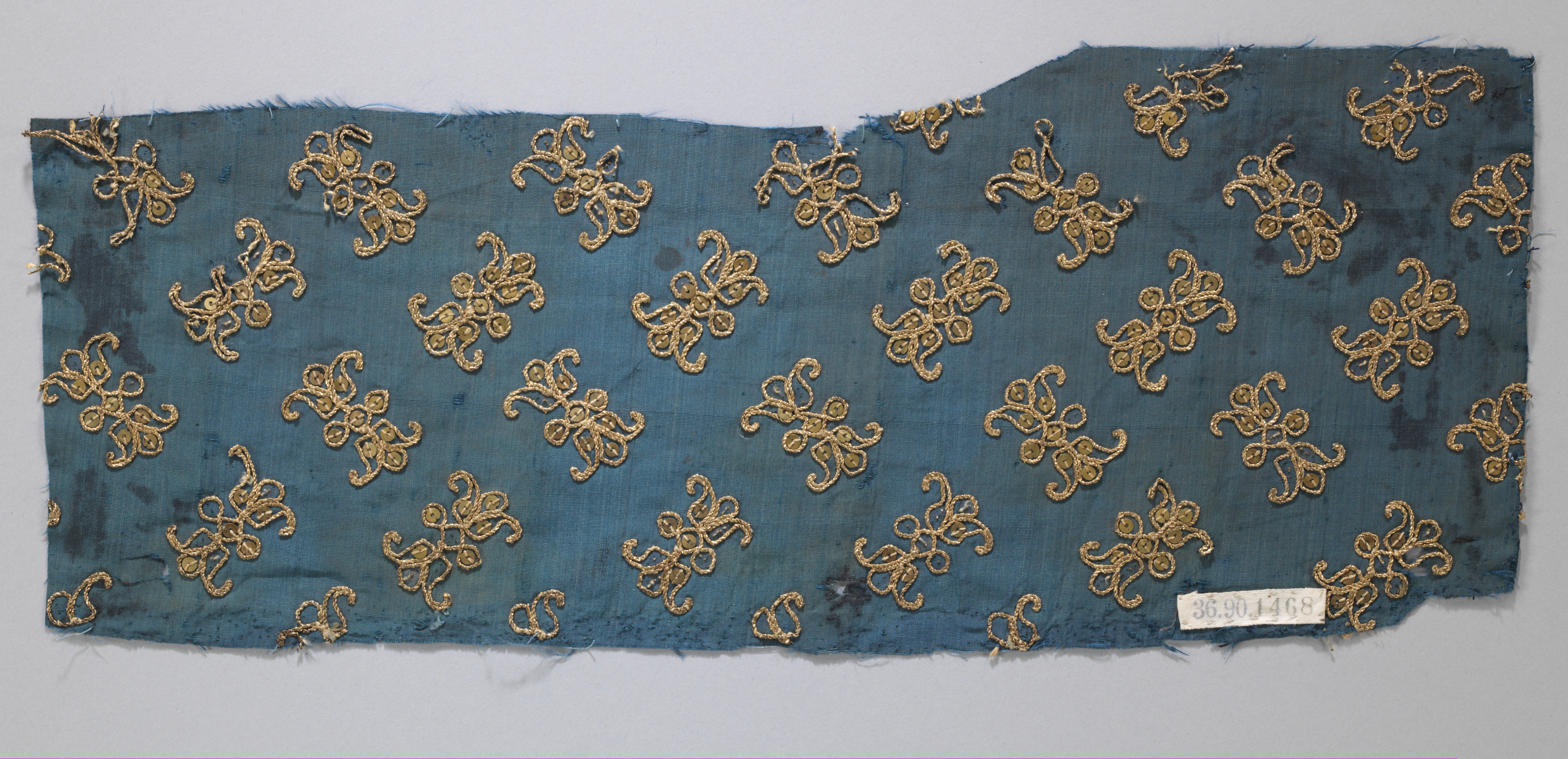
Deconstructing Classical Elegance: An Aesthetic Archaeology of the Global Heritage Piece
Within the isolated context of aesthetic archaeology, a singular artifact transcends its temporal and geographical origins to assert a universal grammar of elegance. This research artifact, designated as the Global Heritage Piece, is not a specific garment but a conceptual archetype distilled from cross-cultural sartorial masterpieces: the structured drapery of a Hellenistic chiton, the precise geometry of a Heian-period jūnihitoe layer, the architectonic silhouette of an 18th-century French robe à la française, and the minimalist sculptural form of a mid-20th-century couture coat. Its materiality is rooted in the Classical Material: heavyweight silks, undyed wools, supple yet substantive leathers, and linen of palpable density. The elegance of this Piece is not one of adornment, but of structural integrity and intentional emptiness. It is elegance defined by the precise relationship between body, fabric, and space, where the material’s inherent properties—its fall, its memory, its dialogue with gravity—are the primary decorative elements. This technical memo deconstructs this classical elegance to illuminate its direct lineage to the 2026 luxury silhouette.
Technical Deconstruction: The Four Pillars of Classical Materiality
The classical elegance of the Heritage Piece is engineered upon four interdependent technical pillars, each arising from the chosen Material's physicality. First, Architectonic Drape: unlike fluid, clinging fabrics, Classical Materials possess a gravitational intelligence. They fall in deliberate, volumetric folds, creating hollows and planes that abstract the body's form rather than replicate it. This is the controlled chaos of a woolen himation, a dialogue between structure and softness. Second, Monochromatic Substance: the use of undyed or naturally pigmented materials focuses the eye on texture, shadow, and silhouette. Elegance is conveyed through the subtle sheen of raw silk catching light along a crease, or the matte, stony quality of thick linen. Third, Seam-as-Sculpture: construction is not hidden but celebrated. Seams are strategic, often externalized, to guide the drape and carve the silhouette in three dimensions. They function as the armature of the form. Fourth, Regulated Emptiness: the Piece utilizes negative space—the gap between arm and torso, the sweep of fabric away from the leg—as a dynamic design element. This emptiness is not absence but a composed void, engineered through cut and material stiffness.
Informing the 2026 Silhouette: From Archaeology to Algorithm
The 2026 luxury consumer seeks authenticity, permanence, and intelligent design in an era of digital saturation. The classical principles of the Heritage Piece provide a foundational code for this new expression, moving beyond pastiche to integrated philosophy. The 2026 silhouette will be characterized by a Post-Digital Monumentality—a return to tangible, physical presence in dress, directly informed by the gravitas of Classical Materiality.
The Silhouette of 2026 will manifest in three key forms:
1. The Cantilevered Torso
Inspired by the Architectonic Drape, 2026's outerwear and dresses will employ engineered internal structures—not rigid boning, but strategic interlinings of horsehair, felt, or fused silk organza—to create self-supporting forms. Imagine a coat whose shoulders extend softly, not through padding, but through the material's own memory and cut, creating a sheltered space around the body. The seam lines will curve around the body like topographic maps, directing fabric flow and creating hollows at the back or below the bust, exemplifying Regulated Emptiness. This creates a silhouette that is protective, authoritative, and inherently sculptural.
2. The Layered Monolith
Responding to Monochromatic Substance, 2026 will see a sophisticated exploration of tonal layering within a single material family. A silhouette composed of a heavyweight silk gilet, a mid-weight silk crepe tunic, and a fluid silk georgette skirt—all in shades of oyster, bone, and graphite—creates depth through texture rather than color. The seams and hems of each layer become revealed lines of construction, a narrative of making. This approach speaks to a desire for complexity achieved through purity, a direct translation of the Heian layered aesthetic into a modern, unified form.
3. The Kinetic Void
The principle of Regulated Emptiness evolves into a focus on dynamic negative space. 2026 silhouettes will feature deliberate, movement-activated apertures: a spiral-wrapped skirt that reveals a flash of leg through a engineered slit system; a tunic with an asymmetrical armhole that exposes the shoulder only in motion; a jacket with a curved vent that opens like a shell during stride. These are not static cut-outs but functional design elements that engage with the body's biomechanics, making the emptiness an active participant in the wearer's experience. The Classical Material's body ensures these openings maintain their shape and intention, never collapsing into accident.
Conclusion: The New Classicalism
For Natalie Fashion Atelier, the archaeological study of the Global Heritage Piece is not an exercise in nostalgia, but the extraction of a timeless algorithm for elegance. The 2026 luxury silhouette, informed by this deep material intelligence, rejects the fleeting and the superficial. It embraces weight, substance, and architectural honesty. It is a silhouette that confers dignity through its very construction, offering the wearer not just a garment, but a portable architecture—a composed environment for the body. This New Classicalism, born from isolated aesthetic archaeology, answers the contemporary craving for authenticity with a profound language of cut, cloth, and conscious space. The atelier’s task for 2026 is to render this language with Parisian precision, ensuring that every seam, every fold, and every void is a deliberate verse in the poem of enduring elegance.