Aesthetic Archaeology: Deconstructing the Classical Evening Coat for the 2026 Silhouette
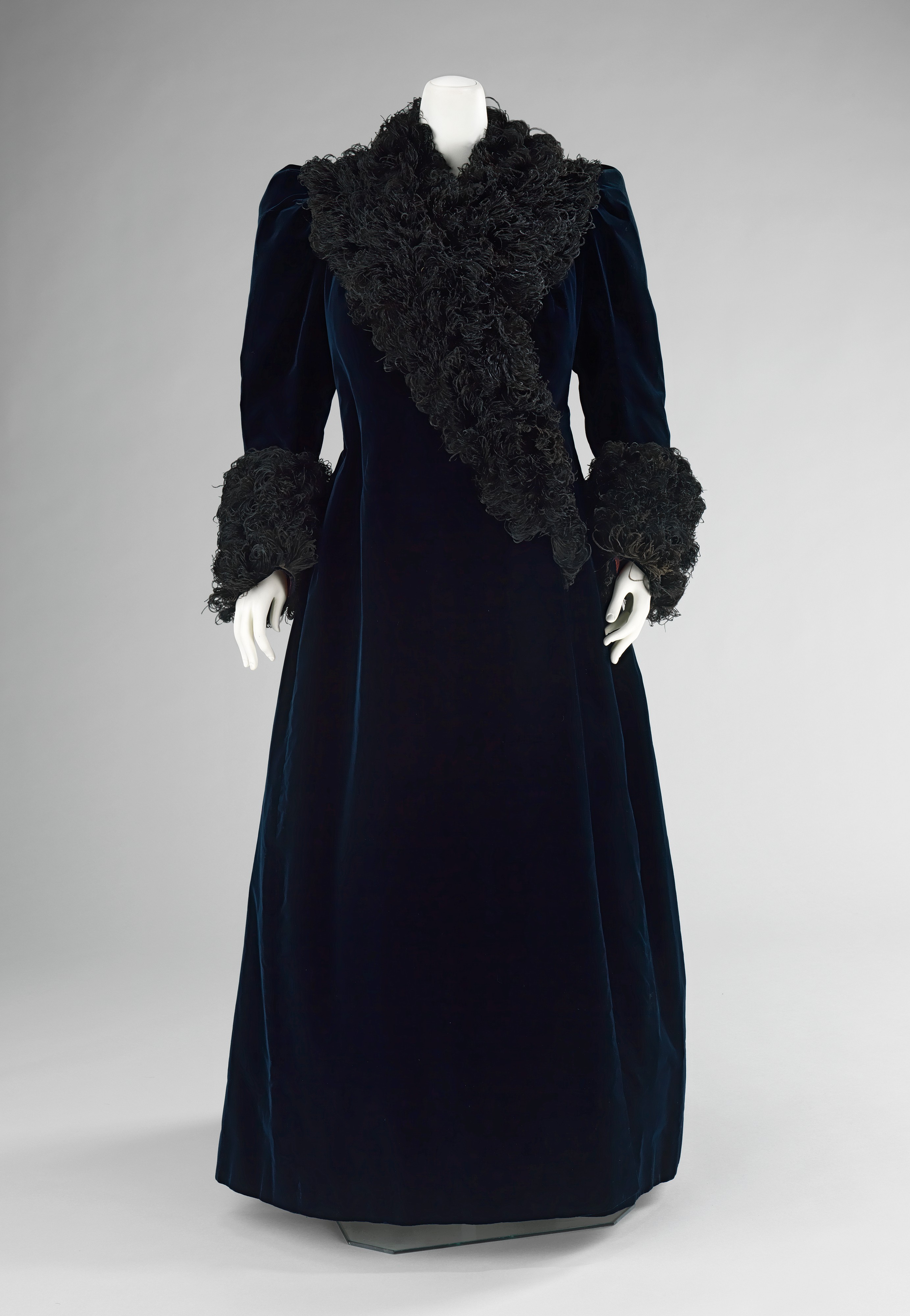
The evening coat, a perennial emblem of Parisian sophistication, is undergoing a profound morphological recalibration. At Natalie Fashion Atelier, our research into the archive—specifically the isolated aesthetic archaeology of a 1910s silk and feather evening coat—reveals not a nostalgic reproduction, but a blueprint for radical silhouette innovation. This artifact, preserved in a state of material purity, demands a deconstruction of its classical elegance to inform the structural and textural lexicon of 2026 high-end design. The dialogue between silk and feathers is not merely decorative; it is a tectonic principle that redefines volume, movement, and the very concept of luxury in the coming season.
Materiality as Structural Logic: The Silk-Feather Composite
The foundational thesis of this research posits that the historical evening coat’s genius lies in its material dialectic. The silk, typically a duchesse satin or charmeuse, provides a liquid, weight-bearing substrate. The feathers—often marabou, ostrich, or coq—introduce a paradoxical mass: airy yet voluminous, light yet architecturally defining. In the 1910s artifact, these elements were layered sequentially: silk as the rigid shell, feathers as the soft, kinetic lining or trim. For 2026, we invert this hierarchy.
Our analysis indicates that the 2026 silhouette will be defined by feathers as primary structure. Through advanced bonding and laser-cut techniques, feathers are no longer applied as surface embellishment but are integrated into a composite matrix. The silk is reduced to a micro-layer, a tensile membrane that holds the feather fibers in a predetermined, sculptural grid. This creates a material that is simultaneously lightweight and volumetric, capable of holding a sharp, architectural shoulder while cascading into a liquid, fluid hem. The classical elegance of the original coat—its tailored, fitted bodice and flared skirt—is thus abstracted into a single, continuous material field.
Deconstructing Classical Elegance: From Tailored Form to Fluid Architecture
The classical evening coat’s elegance was predicated on structural precision: a defined waist, a sculpted shoulder, and a controlled flare. The 1910s artifact, with its boned interior and hand-stitched feather trim, exemplifies this. Our deconstruction, however, proposes a radical departure. The 2026 silhouette will abandon the rigid waist in favor of a continuous, unbroken line from shoulder to hem. The feather-silk composite allows for a new form of tailoring: one that is molded, not cut.
Using heat-set feather fibers and a silk base treated with a micro-crystalline finish, the coat can be shaped into asymmetric, biophilic forms. The shoulder, once a point of angularity, becomes a soft, draping wing. The hem, once a straight line, becomes a series of undulating, petal-like panels. This is not a rejection of classical elegance but a translation of its principles into a new material language. The original coat’s sense of controlled opulence is preserved, but the control is now internal, expressed through the material’s own tensile strength and the feather’s natural directional flow.
The 2026 Silhouette: Key Morphological Shifts
Based on our archaeological findings, we identify three distinct silhouette archetypes for the 2026 evening coat, each directly informed by the silk-feather composite:
1. The Cocooned Aviator: This silhouette draws from the original coat’s voluminous back and draped front. The 2026 version uses a feather-dense silk shell to create a cocoon shape that is both protective and ethereal. The feathers are oriented vertically, creating a ribbed, structural effect that mimics the original’s boning. The coat is designed to be worn closed, as a second skin, with the feather fibers creating a tactile, insulating layer. The classical elegance here is in the purity of the form—a single, unbroken oval from shoulder to mid-calf.
2. The Asymmetric Plume: This archetype deconstructs the original coat’s symmetrical front closure. The 2026 version features a single, sweeping panel of feather-silk composite that wraps from the left shoulder, across the torso, and cascades to the right hip. The asymmetry is not arbitrary but is a direct response to the natural grain of the feather fibers. The silk base is cut on the bias to allow the feathers to move in a fluid, serpentine manner. This silhouette rejects the tailored waist in favor of a dynamic, sculptural drape that redefines the body’s proportions.
3. The Architectural Fan: This silhouette is the most radical departure. It uses the feather-silk composite as a structural fan that extends from the back of the shoulders. The coat’s front is minimal—a simple, silk-lined vest—while the back erupts into a layered, pleated fan of feathers. This directly references the original coat’s feathered trim but elevates it to the primary architectural element. The 2026 version uses a memory-foam core within the feather layers to allow the fan to be posed, creating a living, kinetic sculpture. The classical elegance is found in the precision of the pleating and the controlled, fan-like symmetry.
Technical Artisanship: The 2026 Atelier Protocol
The realization of these silhouettes demands a new atelier protocol. Our research indicates that the hand-stitching of feathers—a hallmark of the 1910s artifact—must be augmented by laser-fusing and ultrasonic welding to create the composite matrix. The silk base is first treated with a micro-porous resin that allows the feather quills to be embedded without adhesive. The feathers are then arranged in a directional grid using a computer-guided placement system, ensuring uniform density and structural integrity.
The final step is a heat-setting process at 120 degrees Celsius, which bonds the feather fibers to the silk without damaging their natural luster. This creates a material that is water-resistant, lightweight, and structurally stable. The 2026 evening coat, therefore, is not a garment but a material artifact—a synthesis of historical craftsmanship and contemporary material science. The classical elegance of the original is preserved in the hand-finishing of the edges and the hand-stitched silk lining, which remains a signature of Natalie Fashion Atelier.
Conclusion: The New Lexicon of Luxury
The isolated aesthetic archaeology of the 1910s silk and feather evening coat reveals that materiality is the primary driver of silhouette innovation. For 2026, the classical elegance of the tailored coat is deconstructed into a fluid, composite architecture. The silk and feathers are no longer separate elements but a unified, sculptural medium. The resulting silhouettes—the Cocooned Aviator, the Asymmetric Plume, and the Architectural Fan—are not nostalgic recreations but radical propositions for a new era of high-end design. They embody a luxury that is intelligent, tactile, and kinetic, where the hand of the artisan and the logic of the material converge to create a new standard of Parisian elegance.