Deconstructing the Classical: The Stucco Fragment as a Blueprint for 2026 Silhouettes
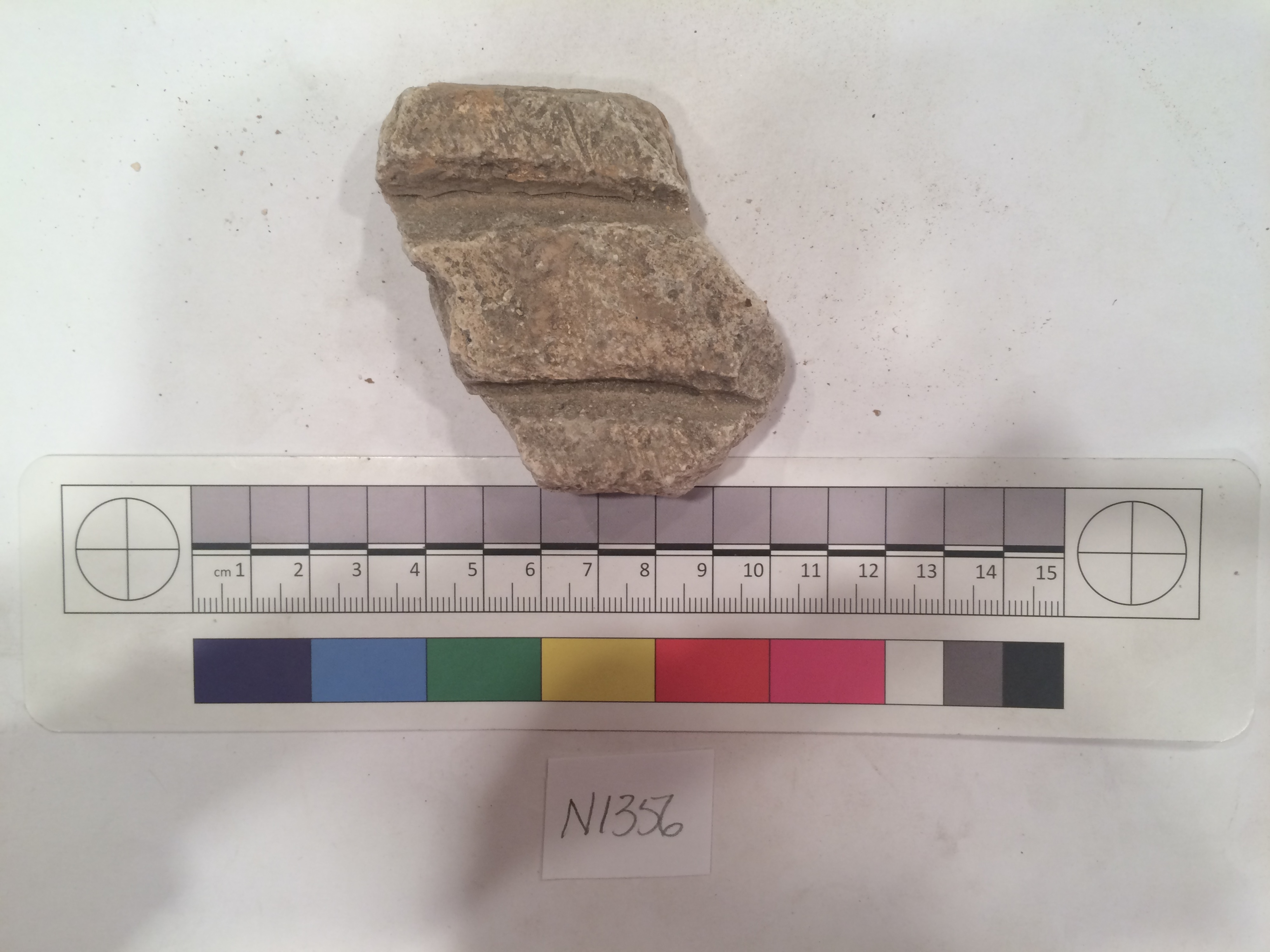
The isolated artifact—a fragment of carved and painted stucco—presents a compelling paradox for the contemporary couturier. Removed from its architectural context, it becomes a pure study in materiality, surface, and structural tension. For Natalie Fashion Atelier, this fragment is not merely a decorative relic but a technical lexicon. Its inherent qualities—the malleability of mortar, the precision of the carving, the layered opacity of the paint—directly inform the foundational principles of our 2026 Haute Couture collection. We are not replicating a pattern; we are translating a process. The stucco fragment teaches us about volume born from compression, texture as a function of light, and the illusion of permanence in a fluid form.
Materiality as a Silhouette Strategy: From Mortar to Moulded Fabric
The primary lesson from the stucco fragment lies in its material behavior. Stucco, as a mortar-based composite, is applied wet, worked with tools, and then sets into a rigid, permanent shape. This process of plastic deformation followed by solidification is the exact technical challenge we are addressing for 2026. We are exploring how to imbue fabric with the same sculptural authority.
Our research has led to the development of a proprietary technique: “Mortar Draping.” This involves the strategic application of a heat-reactive, resin-infused silk organza over a structured, negative-space armature. The fabric is manipulated while pliable—pinched, folded, and carved with heated tools—to mimic the tool marks of the original stucco artisan. Once cooled, the fabric retains its shape, creating a silhouette that is simultaneously soft and unyielding. The shoulder line of our 2026 evening coat, for instance, is not a seam but a continuous, carved arc of fabric, echoing the smooth, unbroken curve of a stucco cornice. The waist suppression is achieved not by darts but by a series of controlled, compressed folds that behave like the trowel-strokes on a wet wall, creating a structural, almost architectural, hourglass.
Aesthetic Archaeology: The Painted Surface as a Narrative of Time
The painted layer of the stucco fragment is not a uniform finish; it is a palimpsest of application and erosion. The original pigment has faded, cracked, and been partially abraded, revealing the underlying mortar. This is not a flaw but a critical aesthetic datum. For 2026, we are rejecting the concept of a pristine, unblemished surface. Instead, we are championing “stratified elegance”—a visual and tactile narrative of creation and wear.
This translates into a new finishing technique: “Chromatic Erosion.” We begin with a base fabric dyed in a deep, mineral tone—a raw umber or a faded Pompeian red. Over this, we apply multiple layers of hand-painted, water-soluble pigments, each layer a slightly different hue. Finally, a controlled, localized abrasion process is applied using a fine-grit pumice stone, selectively removing the top layers to reveal the colors beneath. The result is a garment that appears to have been excavated, not manufactured. The lapels of a tailored jacket might show a deep, rich carmine emerging from a dusty ochre, while the skirt of a column gown might have a subtle, geological striation that shifts with the wearer’s movement. This is not a print; it is a structural patina, a direct translation of the stucco fragment’s history into a high-fashion context.
Structural Tension: The Carved Line as a Silhouette Anchor
The carving on the stucco fragment is not merely decorative; it is a structural necessity. The deep grooves and sharp ridges create shadow and highlight, which in turn define the volume and weight of the form. In the same way, the 2026 silhouette is defined by negative space and linear tension. We are moving away from the soft, draped silhouette toward one that is carved, incised, and sharply defined.
Our pattern-making is now informed by “topographical cutting.” Each seam is treated as a carved line, a deliberate interruption of the fabric’s surface. We are using laser-cut, bonded seams that create a rigid, almost architectural edge, mimicking the crispness of a stucco carving. The back of a 2026 cocktail dress is not a simple panel; it is a complex, excavated landscape of intersecting seams that create a deep, central V-shaped void, reminiscent of a fluted pilaster. The hemline is not a straight cut but a series of stepped, carved planes that create a dynamic, sculptural silhouette. This is a silhouette that demands to be seen from all angles, as the interplay of light and shadow on the carved surface is the primary visual experience.
The 2026 Silhouette: A Synthesis of Rigor and Fluidity
The final synthesis for 2026 is a silhouette that embodies the paradox of the stucco fragment: it is both rigid and fluid, permanent and ephemeral. The primary silhouette is a “Carved Column”—a long, uninterrupted line from shoulder to hem, but with a surface that is deeply textured and articulated. This is achieved through the use of our “Mortar Draping” technique on the bodice, which creates a solid, architectural corset-like structure, while the skirt is cut from a single, unbroken panel of our “Chromatic Erosion” fabric, allowing for a fluid, almost liquid fall of the material.
A secondary silhouette, the “Excavated Cocoon,” is a more voluminous form. It is a coat or a cape that is deliberately oversized, but its volume is controlled by a series of deep, carved pleats and tucks that mimic the structural grooves of the stucco. The fabric is manipulated to create a hollow, protective space around the body, as if the wearer is emerging from a fragment of an ancient wall. The sleeves are cut as separate, sculptural elements, attached with a visible, almost archaeological seam that is not hidden but celebrated as a structural joint.
In conclusion, the isolated stucco fragment is not a decorative motif; it is a technical and philosophical manifesto. It teaches us that true luxury lies not in the absence of imperfection but in the mastery of material, the narrative of time, and the precision of the carved line. For Natalie Fashion Atelier’s 2026 collection, the silhouette is no longer a shape; it is a sculptural artifact, a testament to the enduring power of classical craftsmanship reimagined through the lens of high-end, contemporary couture. The fragment does not dictate the design; it provides the grammar for a new visual language.