Deconstructing Classical Elegance: The Silk and Linen Dialogue in 2026 Haute Silhouettes
Archival Excavation: The French Atelier as Living Repository
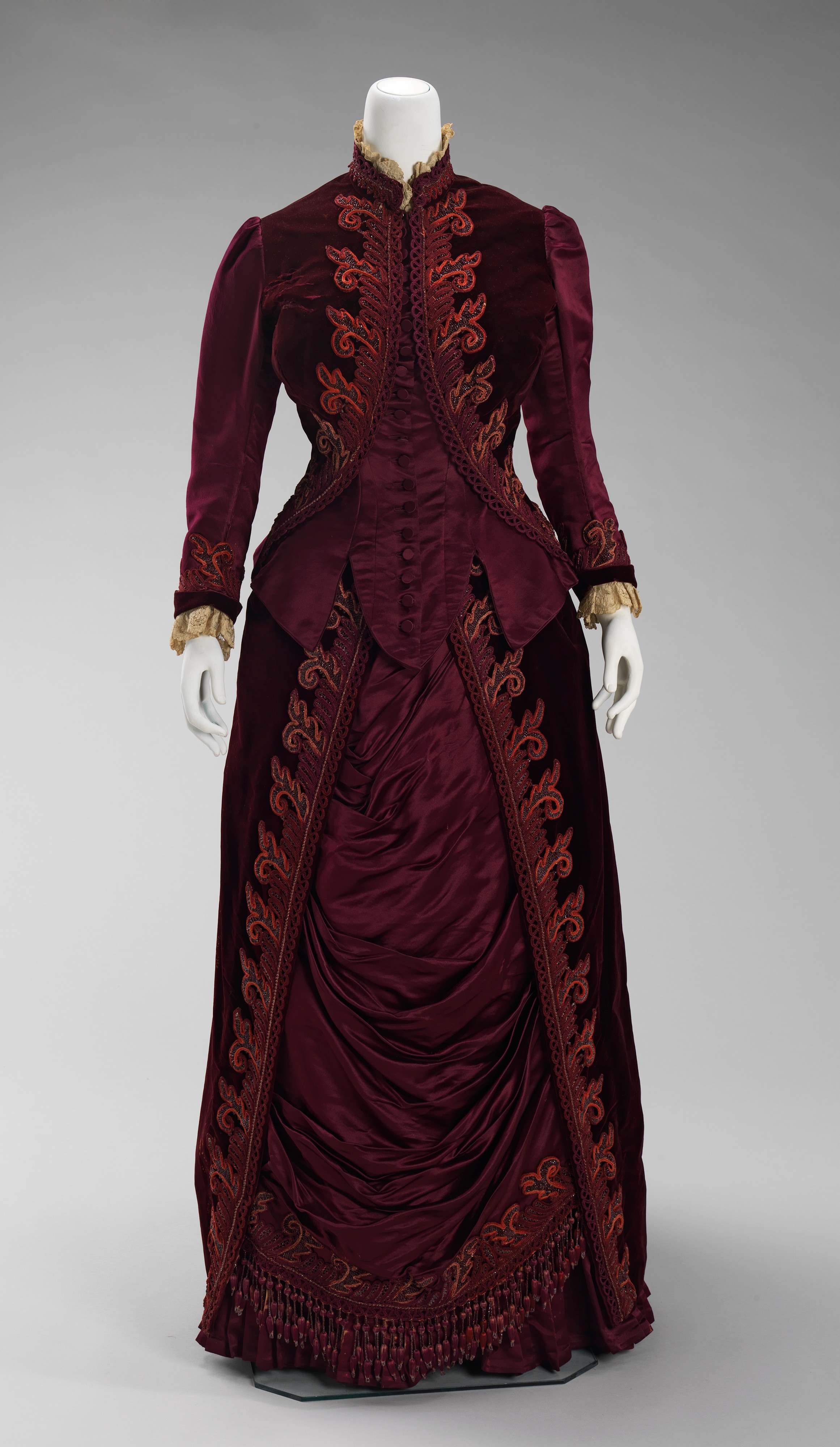
The practice of aesthetic archaeology within the Natalie Fashion Atelier is not a passive act of preservation; it is a rigorous methodology of extraction. We isolate the dress—specifically, the archetypal French silhouette from the late 18th through early 20th centuries—as a primary artifact. This is not about replication. It is about understanding the tension, volume, and restraint that defined the Parisian sartorial grammar. The isolated dress, stripped of its original social context, becomes a pure object of study: a study in line, weight, and the behavior of light on surface.
Our focus is the interplay of two foundational materials: silk and linen. Historically, these were often segregated—silk for opulence and ceremony, linen for structure and undergarments. The 2026 haute couture proposition, however, demands a synthesis. We are not merely using these fibers; we are re-engineering their relationship to create a new lexicon of luxury. The classical elegance we deconstruct is not a static image of a woman in a gown, but a dynamic system of forces: the pull of a silk train against the crisp, unyielding structure of a linen bodice. This is the archaeological find that informs our future.
Materiality as Narrative: The Silk-Linen Paradox
The 2026 silhouette is defined by a dialectic of opposing sensibilities. Silk, in its purest form, represents fluidity, luminosity, and a sensuous drape. Linen, conversely, embodies structure, a matte finish, and a tactile, almost architectural rigidity. The innovation lies in how we weave these contradictions into a cohesive garment.
Consider the weighted silk crepe we have developed exclusively for the Atelier. It is not the gossamer silk of a ballgown, but a denser, more substantial weave that retains a liquid fall while possessing the memory of a fold. This is paired with a high-twist Irish linen, treated with a proprietary finish that enhances its natural stiffness without compromising its breathability. The result is a material ecosystem where the silk yields and the linen resists, creating a silhouette that is both soft and formidable.
The archaeological insight here is the reversal of historical hierarchy. In the 18th century, silk was the visible, celebrated surface; linen was the hidden support. In 2026, we bring the linen to the forefront—as a structured panel, a sculpted sleeve, or a sharply tailored collar—while allowing the silk to cascade as a secondary, ethereal layer. This inversion is not a gimmick; it is a sophisticated acknowledgment of modern luxury as a function of substance, not just surface.
Silhouette Architecture: From the Empire Line to the Asymmetric Drape
The classical French dress provides the foundational vocabulary: the Empire waist, the columnar silhouette, the bias cut. Our deconstruction extracts these elements and re-contextualizes them through a lens of structural tension.
The Sculpted Bodice: The 2026 silhouette abandons the soft, unstructured bodice of the past. Instead, we employ a linen corset-like structure, not as a restrictive garment, but as an architectural base. This is a direct reference to the 18th-century stays, but executed with contemporary ergonomics. The linen is cut on the bias to follow the body’s natural curves, then reinforced with a subtle, hidden boning of recycled resin. Over this, a single layer of silk charmeuse is draped, creating a friction-fit that holds the fabric in place without visible seams or fastenings. The result is a silhouette that is simultaneously armored and fluid.
The Asymmetric Drape: The classical Greek chiton, as interpreted through the French Directoire period, informs our approach to asymmetry. However, instead of a simple shoulder drape, we create a dynamic, three-dimensional spiral. A single, continuous piece of silk—cut on the cross-grain—is anchored at one shoulder by a linen-stiffened panel, then wrapped around the torso, creating a cascading waterfall of fabric that terminates in a train. The linen provides the structural anchor; the silk provides the movement. This is not a dress that is worn; it is a dress that is constructed around the body in real time.
The 2026 Silhouette: A New Lexicon of Luxury
The culmination of this aesthetic archaeology is a defined set of silhouette archetypes for the 2026 collection. These are not trends; they are evolved forms born from the dialogue between silk and linen.
Archetype 1: The Column of Resistance. A floor-length, straight-cut dress. The front is a single panel of stiffened linen, creating a flat, almost architectural plane. The back is a cascade of silk crepe, falling from the shoulders. The silhouette is severe from the front, fluid from behind. This is a study in controlled volume—the classical column reimagined as a tension between restraint and release.
Archetype 2: The Wrapped Cocoon. A mid-calf dress with a high, closed neckline. The entire garment is constructed from a single, continuous piece of silk-linen jacquard, woven in a pattern that alternates between the two fibers. The dress is wrapped around the body, secured by a single, hidden linen button at the waist. The silhouette is voluminous yet contained, a soft, rounded shape that suggests both protection and liberation. This is a direct reference to the 1920s chemise, but with a modern, architectural weight.
Archetype 3: The Asymmetric Plissé. A knee-length dress with a single, exaggerated sleeve. The sleeve is constructed from layered, knife-pleated linen, creating a rigid, sculptural form. The body of the dress is a simple, bias-cut silk slip, held in place by the sleeve’s structural anchor. The silhouette is radically asymmetrical, a study in how a single, heavy element can define the entire volume of a garment.
Conclusion: The Future as an Archaeological Find
The 2026 haute couture silhouette, as defined by the Natalie Fashion Atelier, is not a departure from classical French elegance. It is its most rigorous interpretation. By isolating the dress as an artifact and re-engineering the material dialogue between silk and linen, we have uncovered a new grammar of form. The classical elegance we deconstruct is not lost; it is transmuted into a more complex, more intellectual luxury. The 2026 woman does not wear a dress; she inhabits a structure of tension, fluidity, and archaeological precision. This is the future of couture, unearthed from the past.