Deconstructing Classical Elegance: Bobbin Lace as a Structural Lexicon for 2026 Haute Couture
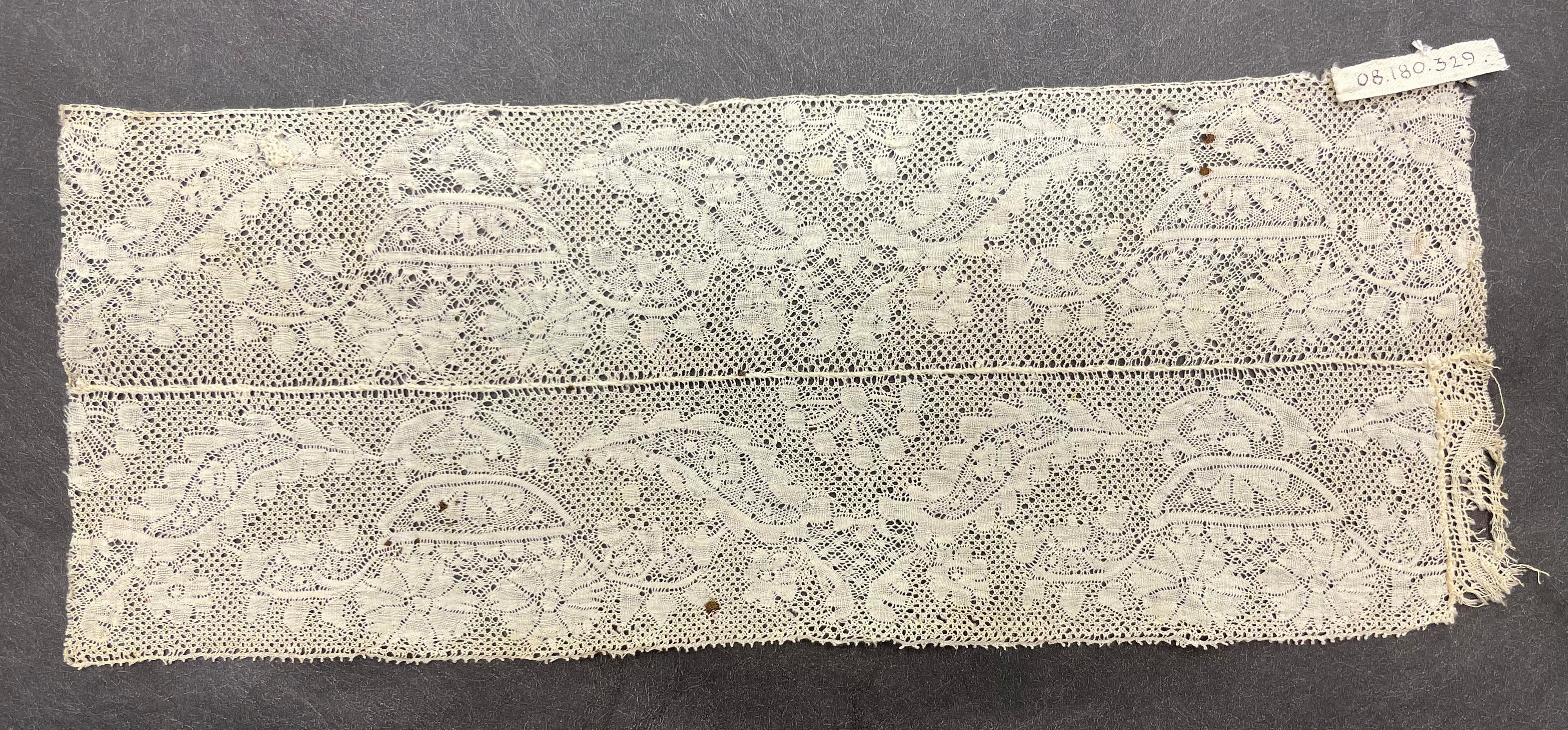
Within the hallowed archives of Natalie Fashion Atelier, the study of bobbin lace is not a nostalgic exercise but a rigorous form of aesthetic archaeology. This intricate textile, born from the disciplined hands of 16th-century Flemish and Venetian artisans, represents a pinnacle of manual precision. For the 2026 season, we isolate this heritage piece from its historical context to extract its core architectural principles. The bobbin lace is not merely a decorative trim; it is a pre-industrial grid system, a three-dimensional topography of negative space and tensile strength. By deconstructing its classical elegance—its geometric reticulation, asymmetrical tension points, and translucent structural fields—we reveal a blueprint for the next generation of high-end silhouettes that prioritize sculptural volume over mere ornamentation.
The Technical Anatomy of Bobbin Lace: A Study in Structural Reticulation
To inform the 2026 silhouette, we must first dissect the bobbin lace’s material logic. Unlike needle lace, which builds upon a foundation thread, bobbin lace is constructed through a system of active tension. Multiple threads, wound on individual bobbins, are braided, twisted, and crossed over a prickling pattern. This process yields a fabric that is simultaneously rigid and fluid. The key technical parameters we extract for modern application are:
- Grid Density and Negative Space: The ratio of solid threadwork to open voids (the fond and toilé) creates a dynamic optical effect. In 2026, this translates to engineered panels where opacity and transparency are not fixed but modulated by the body’s movement.
- Asymmetrical Tension Vectors: The artisan’s hand introduces micro-variations in thread tension, creating subtle warps and undulations. This is a deliberate deviation from machine-perfect symmetry, offering a humanistic irregularity that we will replicate through digital pattern grading.
- Three-Dimensional Bas-Relief: Techniques like gimp (a thicker thread outlining the design) and picots (small loops) create a topographical surface. This is not a flat textile; it is a low-relief sculpture. For 2026, we will translate this into layered, cantilevered fabric structures.
From Archive to Atelier: The 2026 Silhouette Lexicon
The classical bobbin lace piece—often a collar, a flounce, or a mantilla—is defined by its perimeter logic. The scalloped edges are not arbitrary; they are the logical conclusion of the structural grid. For the 2026 high-end silhouette, we deconstruct this perimeter logic to inform three primary architectural forms:
1. The Reticulated Cage Silhouette
Drawing from the geometric precision of Venetian point lace, the 2026 silhouette will feature a semi-transparent, structural cage that encases the torso. This is not a confining corset but a liberating exoskeleton. The bobbin lace’s grid is scaled up, using a hybrid of silk organza and metallic thread to create rigid, yet breathable, panels. The negative spaces are strategically placed to expose the skin in calculated intervals, echoing the lace’s classical modesty while subverting it with modern exposure. The silhouette is architectural, with sharp, defined shoulders and a cinched waist that is achieved not by compression, but by the optical illusion of the grid’s convergence.
2. The Asymmetrical Tension Drape
Inspired by the asymmetrical tension vectors of Flemish bobbin lace, we introduce the “Tension Drape.” This silhouette abandons the natural gravity of fabric. Using laser-cut, heat-sealed edges that mimic the scalloped borders of historical lace, the garment is constructed from a single, continuous piece of material that is anchored at specific points (shoulder, hip, wrist). The fabric is allowed to fall in controlled, diagonal folds, creating a dynamic, almost kinetic, volume. The tension points are reinforced with a structural thread matrix, a direct homage to the bobbin’s tension system. The result is a dress that appears to be in a state of perpetual, elegant suspension.
3. The Topographical Bas-Relief Bodice
This silhouette directly translates the three-dimensional bas-relief of the gimp and picots. The bodice is constructed from multiple layers of laser-cut leather or bonded silk, each layer representing a different “thread” of the lace pattern. These layers are stacked and offset, creating a sculptural, undulating surface that mimics the hand-crafted topography of the original artifact. The volume is not soft; it is hard and architectural, reminiscent of a 3D-printed structure. The negative spaces between the layers allow for glimpses of the skin or an underlayer, maintaining the transparency principle of the original lace. This silhouette is a direct, material conversation between the artisan’s hand and the digital precision of the 2026 atelier.
Materiality and Craft: The 2026 Execution Protocol
The transition from archive to 2026 requires a redefinition of materiality. The original bobbin lace used linen or silk threads. For the new silhouettes, we propose a material palette that honors the tensile properties of the original while introducing contemporary performance:
- Primary Material: A custom-woven, high-tenacity silk organza with a micro-encapsulated metallic core. This provides the necessary rigidity for the Reticulated Cage while maintaining a luminous, ethereal quality.
- Secondary Material: A laser-cut, bonded calfskin for the Topographical Bodice. The leather is treated to mimic the matte finish of aged linen, but its structural integrity allows for the extreme cantilevering required.
- Structural Thread: A braided Kevlar-silk hybrid for the Tension Drape. This thread is invisible to the eye but provides the tensile strength to hold the garment’s asymmetrical geometry in place.
Conclusion: The Classical as a Future Lexicon
The bobbin lace piece, when subjected to aesthetic archaeology, reveals itself not as a relic but as a prototype for structural elegance. Its classical elegance is not in its floral motifs or its delicate appearance, but in its rigorous, logic-based construction. For the 2026 haute couture season, Natalie Fashion Atelier will not recreate the lace; we will reconstruct its principles. The Reticulated Cage, the Asymmetrical Tension Drape, and the Topographical Bas-Relief Bodice are not nostalgic interpretations. They are the logical, modern evolution of a craft that understood volume, tension, and negative space centuries before the digital age. This is the future of luxury: a deep, technical dialogue with the past, executed with the precision of the present.