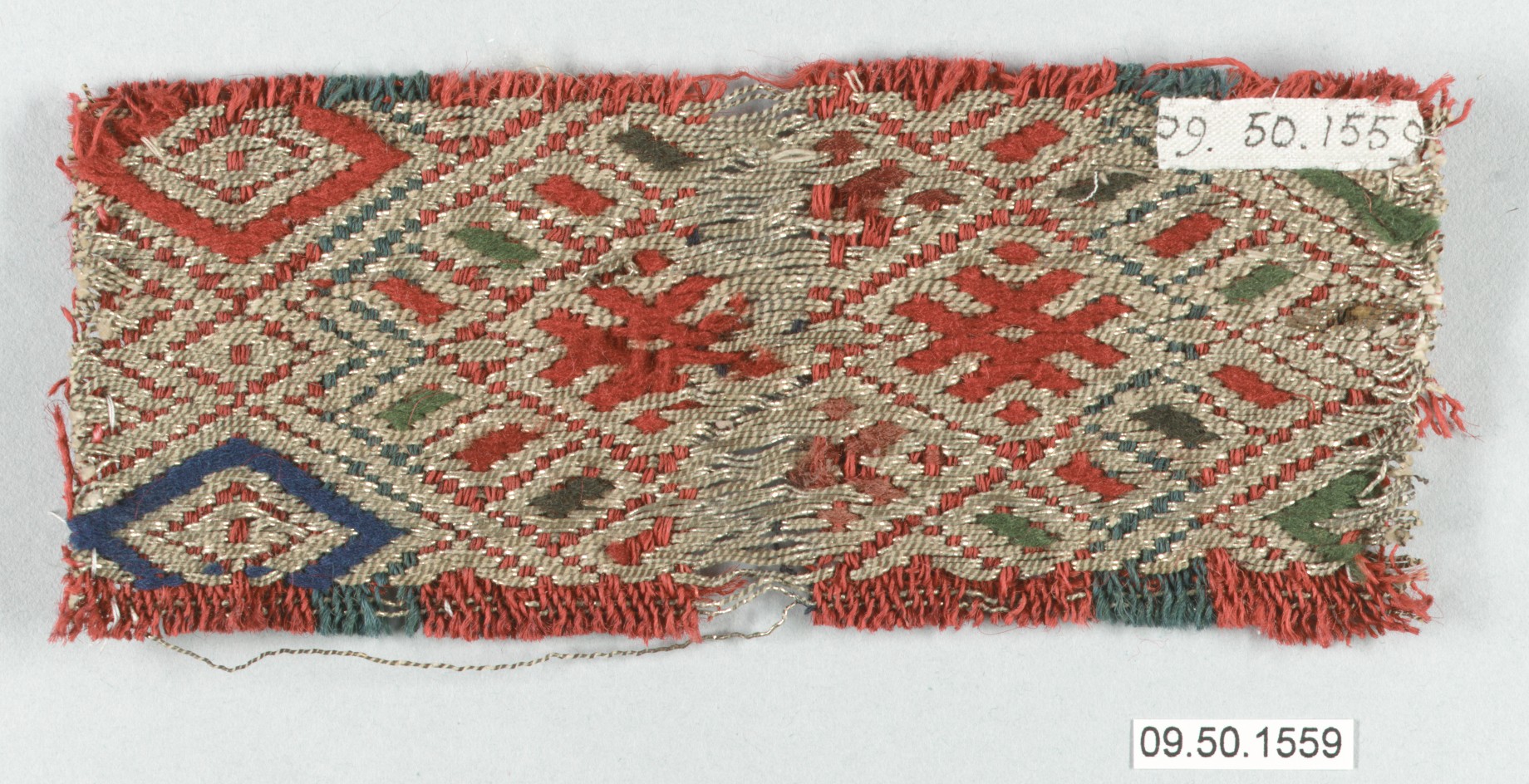
Fragment as Foundational Lexicon: Metal Thread and the Archaeology of 2026 Silhouettes
The concept of the fragment occupies a privileged position within aesthetic archaeology. It is not a remnant of failure, but a concentrated archive of intention. For Natalie Fashion Atelier, the isolated fragment—a swatch of metal thread torn from a 17th-century liturgical vestment, a single gilded strand from a Byzantine tunic—serves as the primary unit of analysis for the 2026 haute couture collection. This research artifact deconstructs the classical elegance embedded within these metallic relics, demonstrating how their structural and symbolic DNA directly informs the architectural silhouettes of the coming season.
Deconstructing Classical Elegance: The Metal Thread Fragment as a Structural Prototype
Classical elegance, in the context of global heritage, is often misread as an aesthetic of smooth, uninterrupted surfaces. The fragment challenges this. The metal thread, whether a passementerie element from a French court gown or a zari strand from a Mughal court textile, reveals that elegance is a product of tension, rigidity, and controlled light. When isolated, the metal thread fragment ceases to be a decorative afterthought; it becomes a load-bearing element of the garment’s memory.
The archaeological value of this fragment lies in its material paradox. Metal thread—often a composite of silver-gilt lamella wrapped around a silk or linen core—possesses an inherent stiffness that resists the drape of organic fibers. In its original context, this stiffness was masked by elaborate embroidery or dense weaving. The fragment, however, exposes the underlying tensile structure. For 2026, this is the critical insight: elegance is not about hiding structure, but about articulating it as a silhouette’s primary narrative. The classical ideal of a smooth, flowing line is deconstructed into a series of rigid, metallic vectors that define the body’s architecture.
Materiality of Metal Thread: From Decorative Accent to Silhouette Armature
The technical properties of historical metal thread dictate its translation into 2026 high-end silhouettes. The key characteristics are:
1. Tensile Rigidity and Cantilevered Forms: The metal thread’s inability to fully relax under gravity creates a natural cantilever effect. When woven into a dense lattice or used as a structural warp, the thread supports its own weight, allowing for projecting collars, sculptural shoulders, and floating hems that defy soft tailoring. The 2026 silhouette will borrow directly from this: a tailored jacket where the lapel is not folded but extruded as a single, rigid plane of metal-thread brocade, referencing the stiffened collars of 16th-century Spanish farthingales.
2. Light Refraction and Volume Definition: Unlike matte organic fibers, metal thread possesses a specular reflectivity that creates an optical illusion of volume. A fragment of 18th-century brocart, with its silver threads catching light in a radial pattern, demonstrates how metallic surfaces can define positive and negative space without physical padding. For 2026, this informs the draped silhouette: a gown where the body is wrapped in a single, continuous spiral of metal-thread organza, using the play of light to suggest a hip or a waistline rather than relying on darts or seams. The metal thread becomes a luminous scaffold for the form.
3. Patina as Narrative Texture: The fragment’s patina—the tarnish, the worn gilding, the exposed core—is not a defect but a chronological texture. A 19th-century passementerie tassel, its gold threads darkened by oxidation, teaches that time is a material. For 2026, this is translated through controlled oxidation and selective burnishing of metal-thread surfaces. The silhouette is not pristine; it is archaeological. A coat’s lapel may feature a gradient from bright gold to deep bronze, mimicking the fragment’s historical wear, creating a silhouette that appears to be excavated from a cultural stratum rather than merely cut from cloth.
Archive Context: Isolated Aesthetic Archaeology and the 2026 Silhouette Grammar
The methodology of isolated aesthetic archaeology requires that we treat each metal thread fragment as a grammatical unit within a lost language of form. The archive—a curated collection of fragments from Byzantine, Safavid, and Rococo contexts—provides the vocabulary. The 2026 silhouette is the syntax.
Byzantine Gold Lamella (c. 6th Century): A fragment of a clavi (decorative band) from a tunic, featuring a single, unbroken gold thread. Its rigidity informs the vertical seam of a 2026 column dress. The gold thread is not embroidered; it is woven as a structural rib down the center front, creating a spine-like silhouette that elongates the torso. The classical elegance of the Byzantine tunic—its severe, vertical drape—is deconstructed into a single, metallic axial line.
Safavid Zari Fragment (c. 17th Century): A silver-gilt thread from a paisley motif, now isolated from its textile ground. Its curved, organic form—a spiral—is translated into a three-dimensional silhouette. For 2026, this becomes a spiral-cut skirt where the metal thread is used as a selvedge edge, creating a continuous, unbroken line that wraps around the body. The classical elegance of Persian court dress—its layered, flowing volumes—is deconstructed into a single, kinetic metallic curve.
Rococo Passementerie (c. 18th Century): A fragment of a gimp (a twisted metal thread trim) from a French court gown. Its dense, braided structure informs the architectural fringe of a 2026 evening coat. The metal thread is not applied as trim but knotted into a structural lattice that forms the entire sleeve. The classical elegance of the Rococo silhouette—its panniers and exaggerated hips—is deconstructed into a metallic exoskeleton that defines the arm’s volume without fabric.
Synthesis: The 2026 Metal Thread Silhouette as a Living Fragment
The final output of this research is not a reproduction of historical forms, but a new silhouette vocabulary derived from the fragment’s inherent properties. The 2026 collection for Natalie Fashion Atelier will feature three distinct silhouette archetypes, each a direct translation of the metal thread fragment:
1. The Cantilevered Silhouette (L’Éclat Rigide): A jacket and skirt ensemble where the metal thread is woven into a rigid, self-supporting lattice. The jacket’s shoulder extends outward in a flat, horizontal plane, referencing the fragment’s inability to drape. The skirt is a single, folded plane of metal-thread brocade, held open by its own tensile strength. The silhouette is architectural, precise, and unyielding.
2. The Luminous Scaffold (Le Fil de Lumière): A gown constructed from metal-thread organza, where the metallic strands are left exposed as a structural grid. The body is visible through the gaps, creating a silhouette that is both ethereal and armored. The classical elegance of the draped chiton is deconstructed into a luminous cage.
3. The Patinaed Form (La Forme Archéologique): A coat where the metal thread is selectively oxidized to create a gradient from bright to dark. The silhouette is a single, continuous volume, cut without darts, where the patina itself defines the shape. The darker areas suggest shadow and recession; the brighter areas project forward. The coat becomes a three-dimensional map of time.
In conclusion, the isolated metal thread fragment is not a historical curiosity but a technical and aesthetic blueprint for 2026. By deconstructing classical elegance into its most basic material unit—a single, rigid, luminous strand—Natalie Fashion Atelier redefines luxury silhouette as an archaeological act: the excavation of form from the fragment, the reconstruction of elegance from its most elemental, metallic truth.