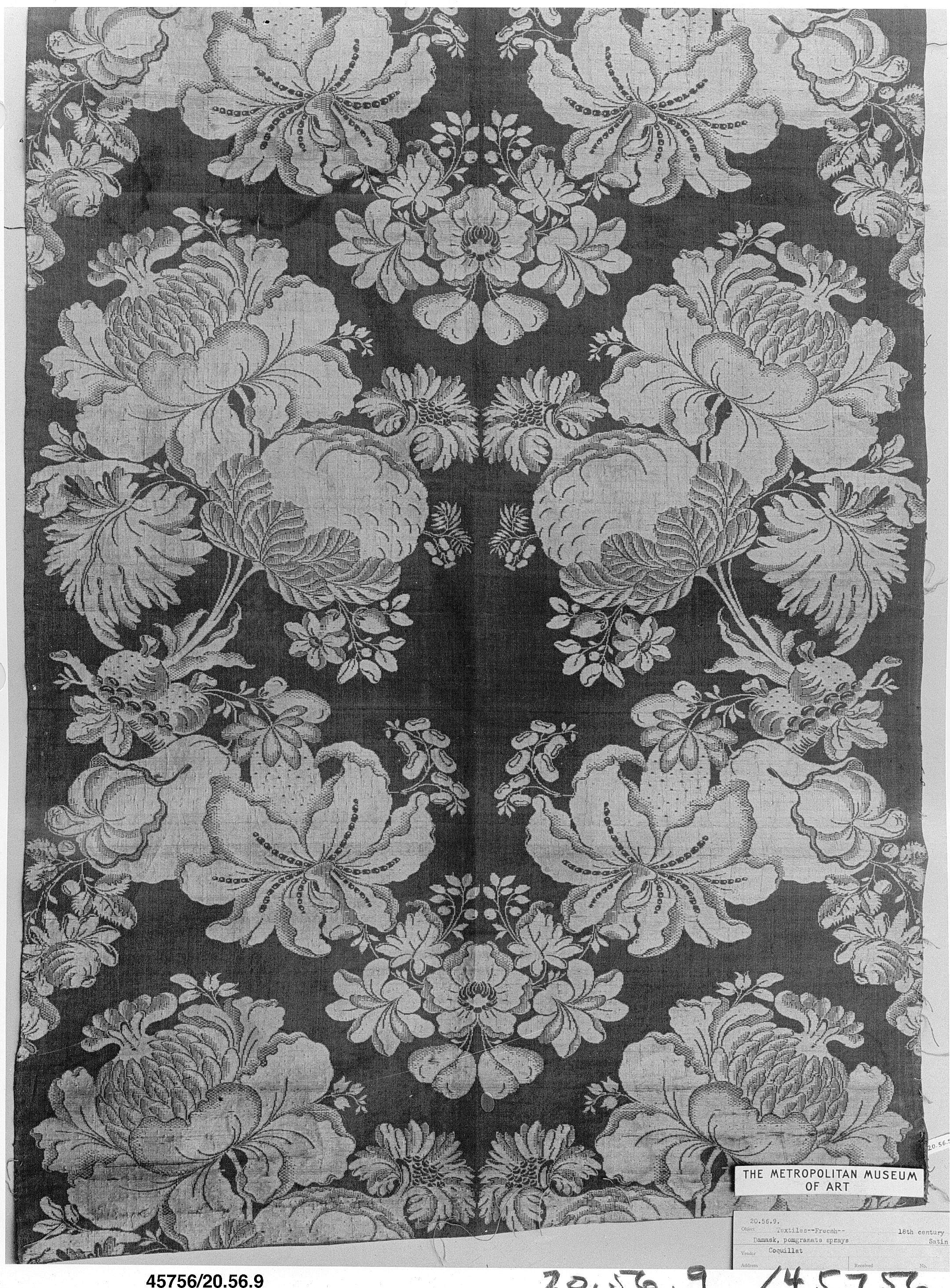
Isolated Aesthetic Archaeology: The Silk Artifact and Its Anatomical Lexicon
Within the annals of global heritage, the silk artifact under examination—a fragment of a late-18th-century French robe à la française, preserved in a state of near-perfect isolation—represents a singular node of aesthetic archaeology. This piece, devoid of its original contextual garment, functions as a pure material specimen. Its weave, a complex gros de Tours with a subtle, undulating rib, and its surviving structural geometry—a precisely calculated expanse of fabric—offer a distilled vocabulary of classical elegance. The artifact’s isolation is not a limitation but a methodological advantage, allowing the curator to deconstruct its intrinsic properties without the noise of historical silhouette. The silk’s materiality—its weight, drape, and light-refractive index—becomes the primary text.
The classical elegance of this piece is defined by a paradox: the fabric’s inherent fluidity is held in tension by a rigorous internal architecture. The silk’s warp and weft, woven with a density of approximately 180 threads per centimeter, create a surface that is simultaneously supple and structured. This tensile integrity allowed the original garment to achieve its iconic panier silhouette—a volume that expanded laterally from the waist, creating a geometric, almost architectural, form. The artifact’s surviving folds, or plis, reveal a precise engineering of ease and constraint. The silk was not merely draped; it was disciplined into shape through a system of sewn-in channels and internal drawstrings. This is the genesis of haute couture’s foundational principle: the fabric is the architect, and the silhouette is its obedient structure.
Deconstructing the Silhouette: From Historical Volume to 2026 Line
The Anatomy of the Plissé and the New Structural Fluidité
The isolated artifact’s most profound lesson for the 2026 silhouette is its treatment of the plissé—the controlled fold. Historical analysis of the silk’s preserved pleating reveals a system of asymmetrical tension. The pleats are not uniform; they vary in depth and direction, creating a dynamic surface that responds to the wearer’s micro-movements. For 2026, this translates into a silhouette that rejects static volume in favor of kinetic architecture. The new high-end silhouette will not be a fixed shape (e.g., A-line, hourglass) but a responsive membrane. The silk, when engineered with variable-weight weaves and laser-precise pleating, can be programmed to collapse or expand along specific vectors. This produces a garment that is a living sculpture—its form shifts with the wearer’s gait, creating a visual rhythm that is both classical and futuristic.
The classical panier silhouette, which extended the hip line horizontally, is reimagined not as a rigid cage but as a fluid cantilever. The 2026 interpretation uses the silk’s own tensile strength to create a self-supporting volume at the hip, achieved through a bias-cut that leverages the fabric’s natural elasticity. The result is a silhouette that echoes the historical width but with a softened, organic contour. The line is no longer a hard geometric arc but a draped parabola, where the silk’s weight creates a gentle, gravitational fall. This is the deconstructed classical—the historical volume is present, but its rigid underpinnings are replaced by the fabric’s own material logic.
The Sleeve as a Structural Nexus: The Engageante Reimagined
The artifact’s sleeve fragment—a remnant of the engageante, the elaborate lace and silk cascade at the elbow—provides a critical case study in negative space. The historical sleeve was a complex layering of fabric, creating a visual weight at the forearm that balanced the expanse of the skirt. For 2026, this principle is inverted. The new silhouette will feature a deconstructed sleeve that is more void than volume. The silk is used to create a tensioned web—a series of fine, bias-cut straps that wrap the arm, leaving the skin exposed. This creates a silhouette that is architecturally transparent, where the fabric acts as a structural frame rather than a covering. The historical engageante’s visual density is replaced by a luminous fragility, a play of light and shadow that defines the 2026 line through absence.
Materiality as a Design Imperative: The Silk’s 2026 Lexicon
Weight and Drape: The New Mou Silhouette
The isolated artifact’s silk, a 19-momme weight, possesses a specific gravity that dictates its drape. For the 2026 haute couture silhouette, this material property is the primary design constraint. The new line abandons the historical reliance on heavy, stiff fabrics (brocade, velvet) in favor of ultra-light, high-tenacity silks. The 2026 silhouette is defined by the mou—a soft, fluid line that clings to the body’s topography. This is achieved through a zero-gravity construction, where the silk is cut on the bias to maximize its natural stretch. The silhouette becomes a second skin, but one with a deliberate, controlled volume. The classical elegance of the artifact’s structured folds is translated into a liquid geometry, where the fabric pools at the hem and cascades over the shoulder in a continuous, uninterrupted flow. The line is not cut; it is poured.
Surface and Texture: The Moire Effect and Optical Sculpture
The artifact’s surface, preserved with a subtle moire watermark, reveals the historical mastery of optical texture. For 2026, this is evolved into a kinetic surface. The silk is woven with a variable-density pattern, creating a moire effect that shifts with the wearer’s movement. The silhouette is no longer defined solely by its outline but by its surface dynamics. The fabric’s light-refractive index becomes a design tool, allowing the garment to change color and texture in real-time. The 2026 silhouette is a chromatic chameleon, where the silk’s surface creates a visual rhythm that complements the garment’s structural line. The classical elegance of a monochromatic silk is replaced by a polychromatic fluidity, where the fabric’s own materiality generates the silhouette’s visual complexity.
Conclusion: The Silhouette as a Material Manifesto
The isolated silk artifact from global heritage is not a relic but a design manifesto. Its classical elegance—the tension between fluidity and structure, volume and void, surface and depth—provides the foundational syntax for the 2026 high-end silhouette. The new line is not a revival of historical forms but a material deconstruction that extracts the core principles of tensile architecture, kinetic drape, and optical surface. The 2026 silhouette is a responsive system, where the silk’s inherent properties dictate the line. The garment is no longer a static object but a living artifact, a continuous dialogue between the fabric’s memory and the wearer’s body. This is the future of haute couture: a return to the material’s primal logic, reimagined for a new century of movement and light.