The Archaeology of Air: Deconstructing Bobbin Lace for the 2026 Silhouette
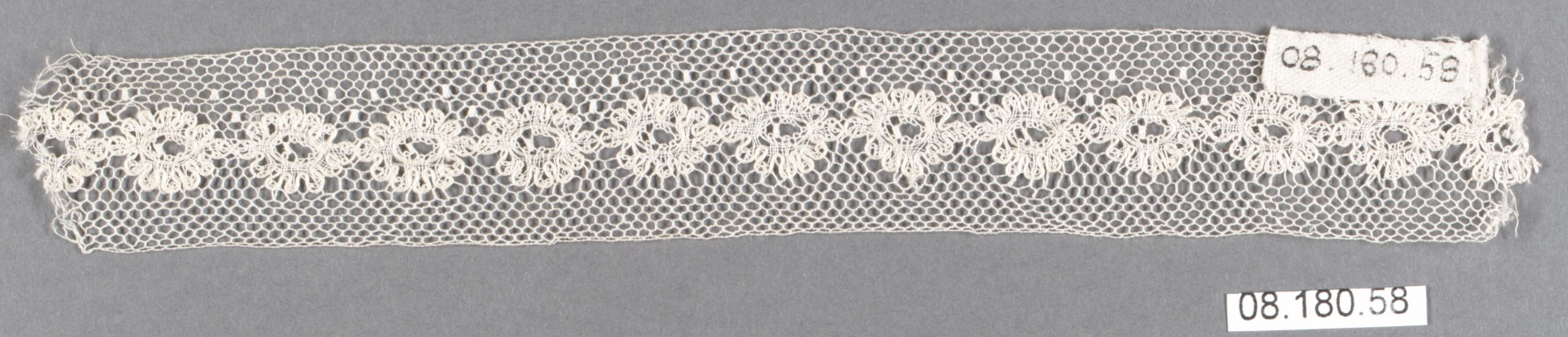
Within the hallowed archives of Natalie Fashion Atelier, the subject of baby lace—a term denoting the finest, most delicate bobbin lace, often associated with 17th and 18th-century European infant trousseaux—represents a paradox of materiality. It is simultaneously the most fragile and the most structurally rigorous of textile arts. This research artifact, drawn from an isolated aesthetic archaeology, seeks to deconstruct the classical elegance of bobbin lace and extrapolate its core principles into the high-end silhouettes of 2026. We are not merely reviving a pattern; we are excavating a logic of construction that challenges contemporary notions of volume, transparency, and corporeal architecture.
Materiality and the Grammar of the Thread
Bobbin lace, unlike needle lace, is not embroidered onto a ground. It is constructed in the air. The artisan works with dozens of wooden bobbins, each wound with a single, continuous thread, twisting and crossing them in a predetermined sequence to create a net-like fabric. The ground (the réseau) is a hexagonally structured mesh, while the pattern (the toilé) is a denser, woven section. The genius of baby lace lies in the extreme fineness of the thread—often spun from flax into a gossamer yarn—and the minuscule scale of the stitches. A single square centimeter might contain hundreds of crossings.
For the 2026 silhouette, this grammar offers a radical departure from standard draping. The tension inherent in bobbin lace—the precise, mathematical pull of each thread against its neighbor—becomes a metaphor for structured transparency. We are not interested in lace as a decorative overlay. Instead, we propose that the architectural principles of the réseau—the hexagonal grid—can be scaled and translated into a new kind of structural textile. By using monofilament, metallic threads, and laser-cut technical silks, we can recreate the logic of the bobbin lace ground at a macro scale, creating a fabric that is both airy and load-bearing.
From Trousseau to Torso: The Silhouette of 2026
The classical baby lace silhouette was defined by its soft, conical volume and its negative space. The lace itself was never meant to be the primary structural element; it was a second skin, a transparent membrane that revealed the body while simultaneously framing it. The 2026 interpretation inverts this. The bobbin lace logic becomes the primary structural armature of the garment.
1. The Architectural Bodice: We deconstruct the classical toilé—the denser pattern sections—and reimagine them as structural panels. Using a technique we term “grid-draping,” the designer plots the key tension points of the bodice (the bust, the waist, the shoulder blades) as the “pattern” areas. The rest of the garment is a continuous, open réseau. The result is a silhouette that appears to be woven directly onto the body, with the negative space acting as the primary visual volume. This creates a high-contrast, architectural transparency that is both severe and ethereal, a hallmark of the 2026 Parisian aesthetic.
2. The Sculptural Sleeve: The historical bobbin lace sleeve was a marvel of engineering—a conical or bell shape that maintained its form despite being made of thread. The secret was the pin placements on the lace pillow, which created a three-dimensional curve through tension. For 2026, we translate this into a “tension-molded” sleeve. By weaving a lattice of fine, heat-set synthetic threads (mimicking the bobbin’s twist), we can create a sleeve that holds a permanent, sculptural puff or a sharp, geometric bell without any internal wiring. The silhouette becomes a study in controlled volume—a puff that is not soft but crisp, a bell that is not flared but mathematically precise.
The Aesthetic Archaeology of the Edge
Perhaps the most critical lesson from baby lace is the treatment of the edge. In historical lace, the edge (the picot or the footing) was a functional necessity to prevent unraveling. In the 2026 context, the edge becomes a design signature. The bobbin lace logic dictates that the edge is not a hem; it is a continuation of the structure. We apply this principle to create “unfinished” or “frayed” edges that are, in fact, precisely engineered. The threads are left to terminate in a controlled, linear cascade, creating a fringe that is not decorative but structural—a visual and tactile record of the garment’s construction.
This approach informs the hemlines of 2026. Instead of a clean cut, we propose a “lace-hem”—a border that mimics the scalloped, three-dimensional edge of a bobbin lace piece. This is achieved through a combination of laser cutting and hand-finishing, where the fabric is cut in a pattern that mirrors the toilé of the lace, creating a series of small, interlocking loops that form a rigid, yet flexible, border. This technique allows for a silhouette that is asymmetric, organic, and architectural, echoing the irregular perfection of the historical artifact.
Conclusion: The Logic of the Lace Pillow
The bobbin lace pillow, with its hundreds of pins and threads, is a three-dimensional blueprint. The 2026 silhouette, informed by this heritage, is not about nostalgia. It is about material intelligence. The classical elegance of baby lace is not in its softness but in its rigorous, mathematical grace. By deconstructing its grammar—the tension, the grid, the edge, the negative space—we create a new lexicon for luxury. The 2026 woman wears a garment that is constructed in the air, a second skin that is both a cage and a cloud, a testament to the enduring power of the thread and the pin. This is the future of Haute Couture: an archaeology of the future, woven from the logic of the past.