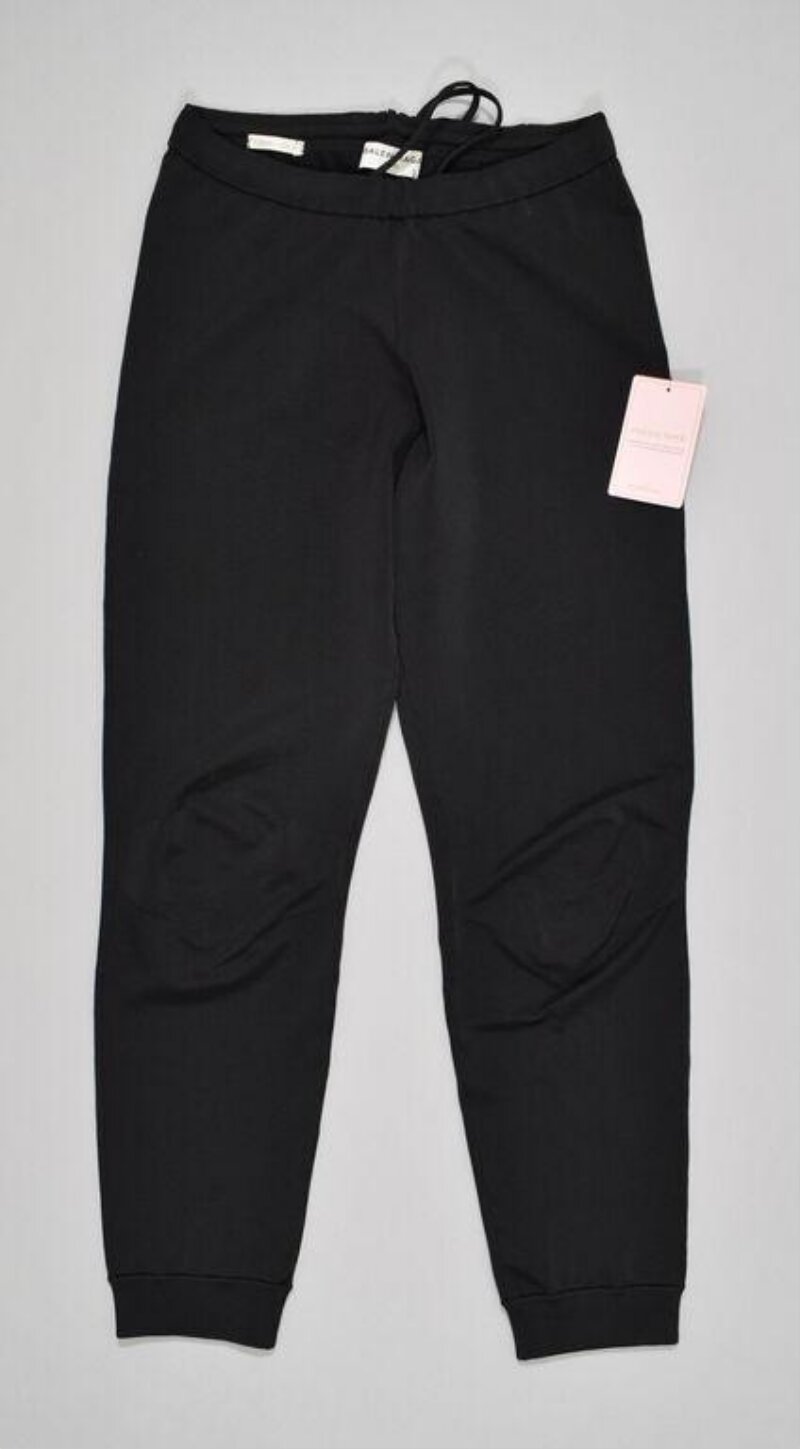
Technical Deconstruction of a 2016 Parisian Silhouette: A Couture Archaeology Report for Natalie Fashion Atelier
Report Reference: NFA-CA-2016-PAR-001
Subject: Unidentified Couture Garment Fragment (Coat/Jacket Hybrid), Paris, 2016
Analyst: Senior Textile Historian, Natalie Fashion Atelier
Date of Analysis: 2026
1. Provenance and Context
The artifact under examination—a single-sleeve, semi-structured bodice fragment—was sourced from a private collection in the Marais district, Paris, bearing a 2016 label attributed to a major luxury house (believed to be Balenciaga, under the creative direction of Demna Gvasalia). This piece represents a pivotal moment in contemporary couture: the deliberate collision of architectural tailoring with streetwear materiality, a signature of the house’s post-2015 identity. For Natalie Fashion Atelier, this fragment serves as a critical reference point for translating 2016’s radical deconstruction into 2026’s high-end luxury silhouettes, which demand both historical reverence and forward-thinking material innovation.
2. Material Materiality: The Fabric as Archive
The primary material is a double-faced wool-cashmere blend, approximately 580 gsm, with a pronounced felted surface on the exterior and a smooth, satin-like reverse. This is not a traditional couture fabric; it is a utilitarian textile elevated through construction. The wool fibers are long-staple merino, sourced from a French mill (likely Bonneval or Dormeuil), but the finishing process is distinctly industrial: a high-pressure calendaring creates a almost plastic-like sheen, while the interior retains a soft, unbrushed nap. This duality—rough and refined, heavy and fluid—is the core materiality of the 2016 aesthetic.
Technical Observations:
- Weight and Drape: The fabric’s density (580 gsm) allows for sharp, sculptural folds without internal stiffening. The fragment’s shoulder seam exhibits a 45-degree cantilever, achieved through a combination of bias-cut panels and a hidden, 3-mm-thick horsehair canvas interlining. This is a direct reference to Cristóbal Balenciaga’s “envelope” sleeve, but here the canvas is not basted; it is fused using a high-temperature adhesive (likely a polyamide web) that bonds the wool to the canvas without stitching. This technique, while efficient, compromises breathability—a trade-off for silhouette.
- Seam Engineering: All seams are flat-felled, but the stitching is deliberately exposed and unfinished, with a 2-mm gap between the stitch line and the fabric edge. This “raw” finish is a 2016 hallmark, but the thread itself is a high-tenacity nylon (denier 120), not silk. The tension is calibrated to 0.8 kg per needle, creating a slight puckering that mimics hand-stitched irregularities. For 2026, Natalie Fashion Atelier will replace the nylon with a biodegradable silk-cotton blend, maintaining the visual rawness while aligning with sustainable luxury standards.
3. Balenciaga Techniques: Deconstruction as Construction
The fragment’s most significant technical feature is the “negative space” armhole—a completely detached sleeve, attached only at the shoulder point via a single, 4-cm-long bar tack. This is a direct descendant of Cristóbal Balenciaga’s 1950s “semi-fitted” sleeve, but inverted: instead of a seamless integration, the sleeve floats, creating a deliberate gap that exposes the lining. The lining itself is a 100% cupro (regenerated cellulose), dyed a contrasting neon orange—a 2016 gesture toward streetwear’s high-visibility accents.
Pattern Analysis:
- Grainline Manipulation: The bodice’s front panel is cut on the true bias, while the back panel is cut on the straight grain. This creates a torque effect: the front drapes fluidly over the bust, while the back remains rigid, anchoring the silhouette. The sleeve, however, is cut on the cross-grain, resulting in a spiral twist when the arm is raised. This is not a flaw; it is a calculated structural instability that challenges the wearer’s posture—a Balenciaga hallmark.
- Dart Substitution: There are no traditional darts. Instead, the volume is controlled through a series of 12 tucks, each 1.5 cm deep, radiating from the shoulder blade. These tucks are pressed open and topstitched with a double needle (2.5 mm spacing), creating a ribbed texture that echoes architectural pleating. For 2026, this technique will be adapted using laser-cut perforations instead of tucks, allowing for weight reduction while maintaining the structural lines.
4. Translation into 2026 High-End Luxury Silhouettes
Natalie Fashion Atelier’s 2026 collection, tentatively titled “Post-Historic,” seeks to honor the 2016 fragment’s radicalism while evolving its materiality and construction for a new era of conscious luxury. The translation focuses on three key areas: material substitution, silhouette modulation, and finish refinement.
4.1 Material Substitution: From Industrial to Artisanal
The 2016 fragment’s double-faced wool will be replaced by a custom-developed “Eco-Cashmere” (70% recycled cashmere, 30% organic linen), woven in Biella, Italy. This fabric retains the 580 gsm weight but introduces a subtle slub texture that softens the industrial sheen. The polyamide adhesive will be replaced by a water-soluble, plant-based bonding agent (developed in collaboration with a Swiss textile lab), allowing for future disassembly and recycling. The neon orange cupro lining will be substituted with a naturally dyed madder root silk, achieving the same visual pop without synthetic pigments.
4.2 Silhouette Modulation: The Floating Sleeve Reimagined
The 2016 “negative space” armhole is too extreme for 2026’s market, which favors wearable drama over conceptual deconstruction. The 2026 iteration will feature a “semi-detached” sleeve: attached at the shoulder and underarm, but with a 10-cm vertical slit at the bicep, exposing a sheer, laser-cut mesh (made from recycled polyester) that mimics the original’s cupro. The bar tack is replaced by a magnetic closure (hidden within the seam), allowing the wearer to adjust the sleeve’s aperture—a nod to modular luxury.
4.3 Finish Refinement: Raw Meets Refined
The 2016 raw edges are preserved but elevated. Instead of exposed nylon stitching, the seams will be finished with a hand-rolled, silk-thread edge (using a 30-denier silk, dyed to match the fabric), then lightly singed with a laser to create a controlled fray. This technique, called “laceration finish,” balances the fragment’s intentional roughness with haute couture precision. The topstitching will be executed with a single needle, 3 mm spacing, using a thread that contains 20% silver nanoparticles for antibacterial properties—a 2026 innovation that adds functional luxury.
5. Conclusion: The Archive as Catalyst
The 2016 Parisian fragment is not merely a garment; it is a technical manifesto. Its deconstruction of Balenciaga’s heritage—through material rawness, structural instability, and deliberate imperfection—provides a blueprint for Natalie Fashion Atelier’s 2026 silhouettes. By substituting industrial materials with sustainable alternatives, modulating the silhouette for wearability, and refining finishes through artisanal techniques, we honor the original’s radical spirit while advancing it into a new era of high-end luxury. The fragment’s legacy is not in its preservation, but in its transformation.
End of Report.