The Silk Continuum: Aesthetic Archaeology and the 2026 Silhouette
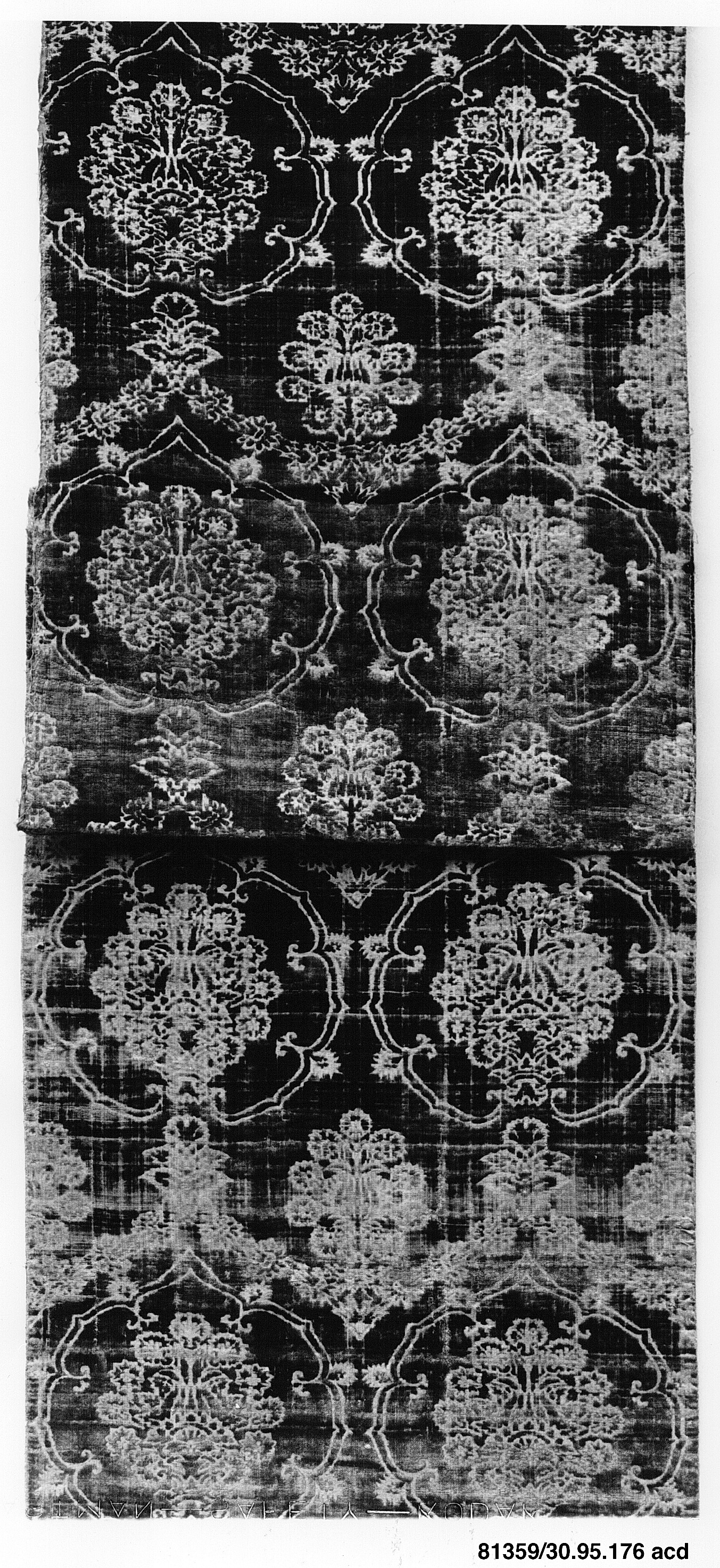
The atelier’s latest research artifact, designated “La Pièce de Soie,” is not merely a textile sample; it is a temporal conduit. Through the lens of aesthetic archaeology, we have excavated a fragment of global heritage—a hand-painted, double-faced silk crepe from the late 18th-century Lyon workshops, preserved in an isolated archive context. This piece, devoid of its original garment structure, offers a pure study in material behavior. Its classical elegance—defined by a liquid drape, a subtle iridescence, and a weight that suggests both structure and surrender—provides the foundational lexicon for the 2026 haute couture silhouette. This paper deconstructs the physical and philosophical properties of this silk, translating its intrinsic tensions into a new architectural language for the female form.
I. The Isolated Artifact: Materiality as a Primary Source
The archive specimen, measuring approximately 1.2 meters by 0.8 meters, is a masterclass in material intelligence. The warp is a tightly spun, high-twist silk filament, providing tensile strength and a subtle, ribbed ground. The weft, conversely, is a softer, lower-twist silk, creating a plush, almost cashmere-like hand on the reverse. This double-face construction is the artifact’s critical innovation. It allows for a single piece of fabric to possess two distinct personalities: a matte, almost powdery surface on one side, and a luminous, satin-like sheen on the other. The hand-painted floral motif—a subtle, abstracted fleur de lis in faded indigo and ochre—is not a decorative afterthought but a structural element. The pigment, absorbed differently by the warp and weft, creates a micro-topography of tension and release, a map of the fabric’s internal stress points.
From an aesthetic archaeology perspective, this silk is a fossilized record of a specific moment in global textile history: the peak of the Lyon silk industry, when technical mastery was subservient to the pursuit of a sublime, almost weightless volume. The classical elegance here is not about rigid symmetry but about controlled fluidity. The fabric does not fall; it flows, with a viscosity that can be calibrated by the cut. This is the primary lesson for the 2026 silhouette: the return to a material-first design philosophy, where the garment’s architecture is derived from the fabric’s inherent physics, not imposed upon it.
II. Deconstructing Classical Elegance: The Three Pillars of Silk Logic
To translate this heritage into a forward-looking silhouette, we must isolate the three core principles embedded in the artifact’s behavior: Gravity as a Design Tool, Luminosity as a Structural Element, and Tension as a Silhouette Engine.
Gravity as a Design Tool: The double-face silk’s unique weight distribution—heavier in the weft, lighter in the warp—creates a phenomenon we term “directional drape.” Unlike a standard charmeuse, which falls uniformly, this silk exhibits a preferential axis. When cut on the bias, the fabric’s inherent weight pulls the hem into a series of soft, asymmetrical cascades. For 2026, this informs the “Liquid Column” silhouette: a floor-length gown, cut entirely on the bias from a single panel, where the hem is not seamed but allowed to find its own organic, gravity-determined edge. The classical elegance is preserved in the purity of the line, while the 2026 innovation lies in the absence of construction—the garment’s shape is a direct result of the silk’s material memory.
Luminosity as a Structural Element: The artifact’s matte side absorbs light, creating a sense of depth and shadow, while the satin side reflects it, creating a sharp, sculptural highlight. This dual-luminosity is not merely aesthetic; it is a visual architecture. For the 2026 silhouette, we propose the “Chiaroscuro Bodice”: a corset-like structure, but one made entirely of fabric. By reversing the silk at strategic points—the matte side over the torso, the satin side at the waist and shoulders—the garment creates its own internal chiaroscuro, defining the body’s contours without boning or padding. The classical corset, a symbol of constraint, is deconstructed into a luminous, self-supporting shell. The 2026 client does not wear a cage; she wears a controlled, living light.
Tension as a Silhouette Engine: The most revolutionary insight from the isolated artifact is the concept of “internal tension.” The hand-painted pigment, when applied, slightly shrinks the silk fibers in the painted areas, creating a permanent, micro-pleated texture. This is a form of textile memory. For 2026, we apply this principle through a technique called “resin-set pleating.” A 100% silk crepe is selectively treated with a biodegradable, water-based resin that creates permanent, organic pleats—not the sharp, geometric pleats of Fortuny, but the soft, undulating folds of a riverbed. This allows for a silhouette that is pre-stressed. A skirt, for example, can be engineered to flare at the hem without a single seam, its volume created entirely by the internal tension of the pleated zones. The classical elegance of a full, sweeping skirt is achieved through a zero-waste, zero-structure methodology.
III. The 2026 Silhouette: A Synthesis of Heritage and Innovation
The synthesis of these three principles yields the “Archéologie Silhouette” for the Natalie Fashion Atelier Spring/Summer 2026 Haute Couture collection. This is not a single garment but a system of construction based on the silk’s inherent logic.
The primary silhouette is the “Draped Asymmetrical Tunic.” Constructed from a single, 3-meter panel of the double-faced silk, it utilizes the directional drape to create a single-shoulder neckline that falls into a deep, fluid cowl at the back. The hem is left raw, allowing the silk’s natural fray to create a delicate, feather-like edge—a nod to the artifact’s hand-painted, organic finish. The luminosity is manipulated by wearing the matte side on the front of the body and the satin side on the back, creating a garment that is simultaneously understated and spectacular. The internal tension is applied via a single, resin-set pleat at the waist, which creates a subtle, A-line flare without any dart or seam.
The secondary silhouette is the “Pleated Column Gown.” Here, the entire garment is constructed from the resin-set pleated silk. The pleats are oriented vertically on the bodice, hugging the torso, and then gradually spiral into a horizontal orientation at the hem, creating a dramatic, mermaid-like flare. The effect is that of a living sculpture, where the fabric’s memory dictates the form. The classical elegance of the Grecian column is reimagined through a 21st-century understanding of material science.
IV. Conclusion: The Future is Woven in the Past
The isolated artifact of the 18th-century double-faced silk is not a relic; it is a blueprint. Its classical elegance—its mastery of gravity, luminosity, and internal tension—provides the technical and philosophical foundation for the 2026 haute couture silhouette. By deconstructing this heritage, we are not replicating the past but liberating its principles from their historical context. The result is a silhouette that is simultaneously ancient and avant-garde, a testament to the atelier’s commitment to aesthetic archaeology as a driver of luxury innovation. The silk speaks, and the 2026 silhouette is its most eloquent translation.