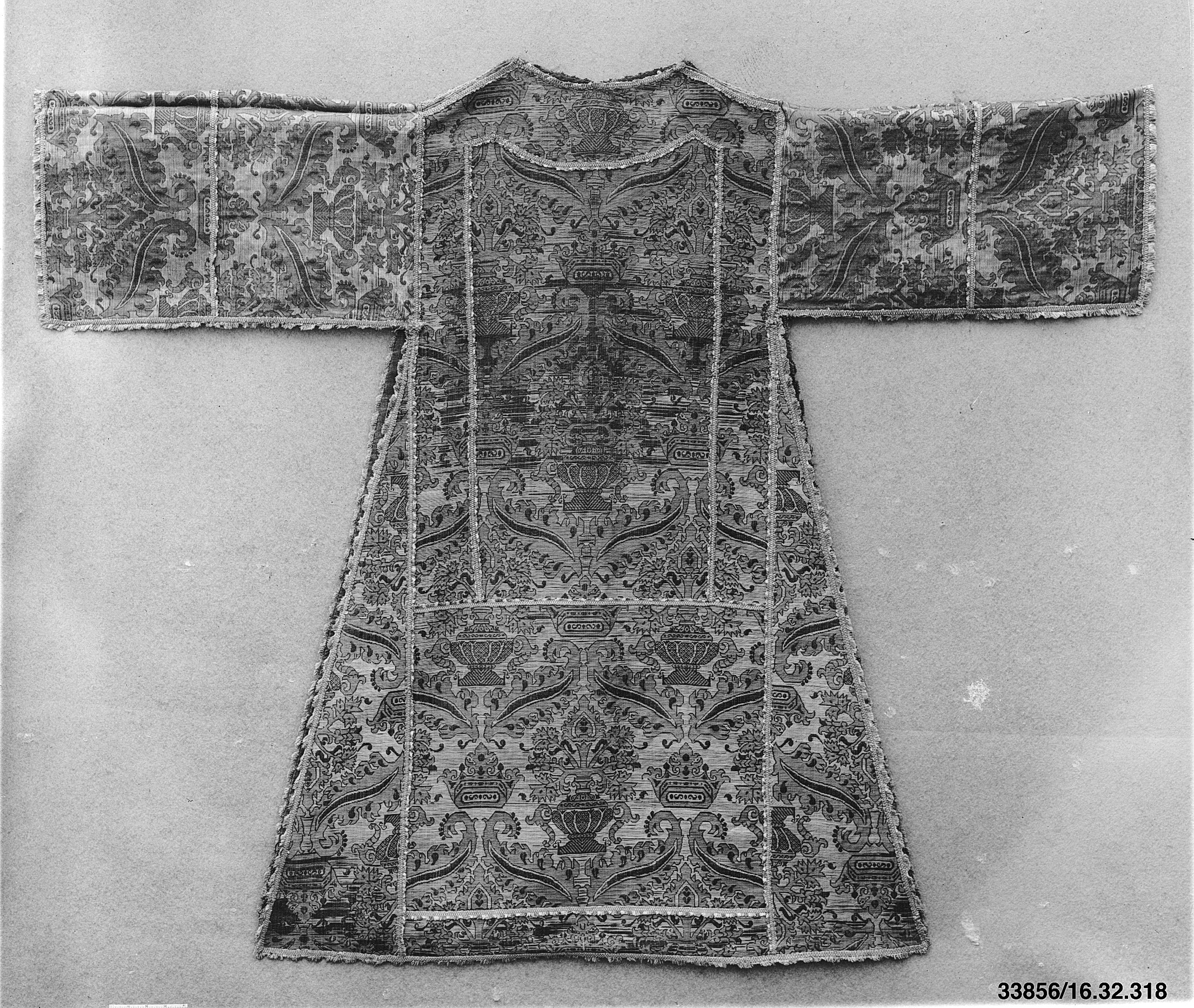
Deconstructing the Dalmatic: An Aesthetic Archaeology in Silk
Within the isolated context of aesthetic archaeology, certain garments transcend their original liturgical or ceremonial function to emerge as pure archetypes of form. The dalmatic, a tunic of deceptively simple construction with roots in the late Roman Empire and enduring significance in ecclesiastical vestments, represents one such masterpiece. For Natalie Fashion Atelier, an isolated study of the silk dalmatic—divorced from its immediate religious symbology—reveals a profound architectural blueprint. This analysis deconstructs its classical elegance not as a relic, but as a living lexicon of volume, drape, and structured ease, directly informing the intellectual silhouette of 2026 luxury.
Architectural Foundations: The T-Tunic as a Canvas of Volume
The dalmatic’s foundational geometry is an exercise in sophisticated simplicity. Constructed from rectangles and right angles—a wide body piece folded at the shoulders, with sleeves often set in at a 90-degree angle—it creates a distinct "T" silhouette. This is not a garment that clings; it architecturally defines space around the body. The classical elegance lies in this deliberate creation of volume, a volume that is static yet dynamic, as it moves with the wearer’s gait. The use of heavy, historically accurate silks—such as samite, lampas, or Byzantine silks woven with metallic threads—is not merely a decorative choice but a structural one. The weight and inherent stiffness of these textiles provide the necessary body to hold the dalmatic’s iconic broad, often slit sleeves and the gentle, columnar drape of the torso. This relationship between material and form is the first critical extraction for 2026: luxury will be defined by a return to intrinsic textile authority, where the fabric’s own properties dictate the silhouette’s behavior.
The Dialectic of Restraint and Opulence: Surface as Structure
Isolating the dalmatic’s aesthetic elements reveals a masterful dialectic between severe line and extravagant surface. The silhouette itself is restrained, even monastic. Its opulence is communicated entirely through the materiality and decoration of the silk. The clavi (vertical stripes running from shoulder to hem) and segmenta (ornamental roundels) are not arbitrary embellishments; they are graphic directives that reinforce the garment’s architecture. They visually elongate the form, emphasizing the verticality and breadth of the torso and sleeves. In the atelier’s archaeological lens, these elements are decoded as inherent structural markings. For the 2026 silhouette, this translates to a move away from applied decoration and towards woven intention. Jacquards and brocades will be engineered not with floral motifs, but with geometric, weight-distributing patterns that mimic the function of the clavi. Opulence will be redefined as integral textile intelligence, where a monochromatic silk jacquard, through its raised weave alone, creates shadow and line that sculpts the body.
Informing the 2026 Silhouette: From Sacred Volume to Profane Elegance
The 2026 luxury consumer seeks not constraint, but curated ease; not minimalism, but meaning-laden simplicity. The dalmatic’s DNA provides a precise answer. We foresee a silhouette defined by the T-volume revival—a conscious widening at the shoulder, creating a powerful, yet fluid line from collarbone to wrist. This will manifest in coats, jackets, and evening tops that reject traditional tailoring darts in favor of geometric paneling, creating a clean, architectural shape that accommodates the body without conforming to it. The broad sleeve, a hallmark of the dalmatic, evolves into a signature "portal sleeve"—wide, sometimes slit, and designed to reveal contrasting layers or skin, framing movement with deliberate, elegant aperture.
Furthermore, the dalmatic’s lesson in controlled drape informs the next generation of eveningwear. The columnar torso, when rendered in modern, weighty silk crepes or double-faced satins, offers an alternative to the mermaid or A-line gown. It is a silhouette of dignified fluidity, where the fabric cascades from a structured shoulder in a single, unbroken line, perhaps bifurcated by a modern interpretation of the clavi—a sleek panel of contrasting texture or a laser-cut seam detail that guides the eye. The absence of a defined waistline does not imply a lack of shape; rather, it proposes a new erogenous zone at the collarbone and shoulder, emphasized by precise necklines—deep squared or rounded cuts derived from the dalmatic’s own neck geometry.
Materiality as Memory: Silk Re-engineered
The final, crucial translation for 2026 lies in the very materiality specified: silk. The atelier’s archaeological focus demands we not merely replicate, but re-engineer. Historical silks were technologically advanced for their time. Our 2026 iterations must be the same. This means developing hybrid silks with memory: silk woven with microscopic strands of shape-retaining polymer to hold the T-volume without internal interfacing. It means weighted silk faille that mimics the drape of antique lampas but with contemporary durability and a matte, tactile finish. It means exploring the textural contrasts within a single garment—a smooth, heavy silk body juxtaposed with sleeves of sheer silk gazar, playing on the dalmatic’s dialectic of coverage and revelation. The silk itself becomes the archive, carrying the memory of the dalmatic’ form into the future through advanced craftsmanship.
In conclusion, through the isolated archaeology of the silk dalmatic, Natalie Fashion Atelier extracts a timeless principle: true elegance resides in the harmonious equation of fundamental geometry, authoritative materiality, and graphic purity. The 2026 silhouette, informed by this artifact, will be one of intelligent volume, where the hand of the couturier is felt in the profound simplicity of the cut and the engineered sophistication of the silk. It is a silhouette that speaks not of the past, but through it, offering the modern wearer an elegance that is both monumental and effortlessly fluid—a sacred volume rendered profoundly, beautifully profane.