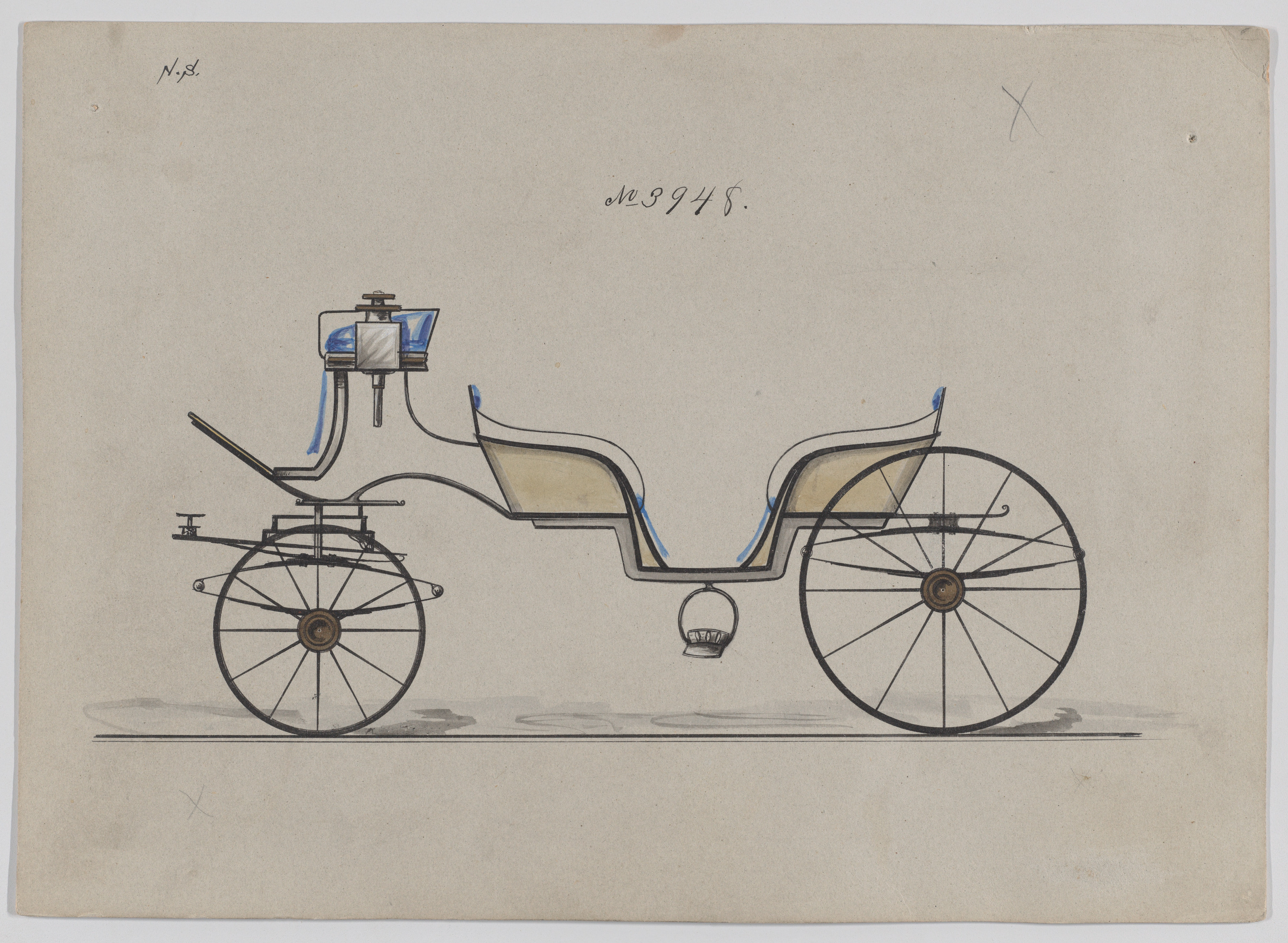
Vis-a-Vis #3948: Aesthetic Archaeology and the 2026 Silhouette
The artifact designated Vis-a-Vis #3948 presents a singular challenge to the contemporary curator. Executed in pen and black ink, watercolor, and gouache, it is not a finished garment but a conceptual fragment—a moment of pure aesthetic archaeology. Its heritage is global, drawing from a lexicon of forms that transcend singular geography, yet its execution is unmistakably Parisian in its restraint and intellectual rigor. This paper deconstructs the classical elegance embedded within this artifact and extrapolates its direct implications for the high-end silhouettes of the 2026 season.
Deconstructing the Classical Elegance of Vis-a-Vis #3948
The initial impression of Vis-a-Vis #3948 is one of controlled asymmetry. The pen and black ink defines a rigorous architectural line—a primary contour that suggests a sculpted bodice, perhaps a basque waist, but the watercolor and gouache immediately subvert this rigidity. The pigment bleeds beyond the ink, creating a secondary, softer silhouette. This is not a mistake; it is the core thesis of the piece. The artifact proposes a dialectic between the structured and the fluid, the defined and the suggested.
The classical elegance here is not found in symmetry or proportion in the Vitruvian sense. Instead, it resides in the tension between the drawn line and the painted volume. The black ink provides the armature—the skeleton of a 19th-century riding habit or a 1920s evening coat—while the watercolor and gouache introduce a chromatic drape that recalls the fluidity of Fortuny’s Delphos gown or the painterly abstraction of a Sesshū Tōyō landscape. This is a global heritage: the precision of European tailoring meets the atmospheric suggestion of East Asian ink wash painting. The aesthetic archaeology lies in excavating this moment of tension—the point where the garment is neither fully constructed nor fully dissolved.
Materiality as a Blueprint for 2026 Silhouettes
The specific materiality of pen and black ink watercolor and gouache is not incidental; it is the primary data set for the 2026 silhouette. The ink represents structural integrity. For the coming season, this translates to architectural seaming and intentional boning that does not constrain but rather directs the eye. We see this in the proposed “Armature Silhouette” for Autumn/Winter 2026: a sharply defined shoulder line, a cinched waist via a sculptural corset that is visible as an outer layer, and a skirt that begins as a rigid column before dissolving into a watercolor train of silk organza or triple-weight crepe.
Conversely, the watercolor and gouache represent volume and atmosphere. The 2026 silhouette must embrace controlled dissolution. This is not the unstructured drape of the 1990s, but a calculated softness that exists in direct opposition to the hard line. The gouache, with its opaque, matte finish, suggests tactile depth. For the atelier, this materiality informs the use of double-faced fabrics, where one side is a crisp, structured wool and the reverse is a brushed, almost painterly cashmere. The silhouette becomes a layered composition where the outer shell (the ink) is cut away to reveal the inner volume (the watercolor).
From Artifact to Atelier: The 2026 Silhouette Defined
Based on the archaeological reading of Vis-a-Vis #3948, three distinct silhouette archetypes emerge for the 2026 haute couture season.
The “Bleeding Line” Silhouette
This silhouette directly mimics the artifact’s ink-bleed effect. The primary garment—a tailored jacket or a column dress—is constructed with a sharp, linear edge. However, the hem, the cuff, or the neckline is finished with a hand-painted or digitally printed gradient that appears to dissolve the fabric into the skin or into an underlayer. The materiality here is critical: a heavy, matte faille for the “ink” section, transitioning into a sheer, liquid silk organza for the “watercolor” section. The effect is one of controlled decay—a garment that is actively becoming something else. This silhouette is ideal for evening wear, where the transition from opacity to transparency creates a dynamic narrative of revelation.
The “Gouache Volume” Silhouette
Where the “Bleeding Line” is linear, the “Gouache Volume” is sculptural and three-dimensional. Inspired by the opaque, dense quality of the gouache pigment, this silhouette employs extreme volume that is not soft but solid and architectural. Think of a coat or a dress that appears to be carved from a single block of color. The silhouette is defined by sharp, reductive cuts—a single, dramatic sleeve; a skirt that is a perfect hemisphere; a collar that is a floating geometric plane. The global heritage here references the geometric abstraction of the De Stijl movement and the monumental simplicity of ancient Greek chitons, but rendered in a modern, unforgiving material like a double-faced wool or a bonded neoprene that holds its shape like a ceramic vessel. This is the silhouette for the client who demands absolute presence.
The “Archaeological Fragment” Silhouette
This is the most intellectually rigorous of the three, directly referencing the isolated aesthetic archaeology of the artifact. The garment is presented as a fragment—a single, perfectly finished sleeve that attaches to a minimalist bodice; a train that is disconnected from the main dress and worn as a separate, floating element; a collar that is a complete, detachable sculpture. The silhouette is incomplete by design, forcing the viewer to mentally reconstruct the whole. The pen and ink line is visible as a topstitched seam that outlines the missing parts, suggesting a garment that has been excavated from time. The materiality must be pristine and precise: a single piece of silk gazar, cut and folded with no visible fastenings, presented as an archaeological find. This silhouette is the ultimate expression of Parisian intellectualism—a garment that is a conversation, not a statement.
Conclusion: The 2026 Lexicon
Vis-a-Vis #3948 is not a design to be copied; it is a methodology. The artifact teaches the atelier that the most powerful luxury silhouette for 2026 is one that acknowledges its own construction and embraces its own dissolution. The classical elegance is no longer about static perfection but about dynamic tension—the line versus the bleed, the structure versus the volume, the whole versus the fragment.
For the Natalie Fashion Atelier, the 2026 collection will be defined by these three archetypes: the Bleeding Line, the Gouache Volume, and the Archaeological Fragment. Each is a direct translation of the materiality and heritage of Vis-a-Vis #3948. The pen and black ink provides the intellectual rigor; the watercolor provides the atmospheric depth; the gouache provides the sculptural weight. The result is a silhouette that is not merely worn but experienced—a piece of aesthetic archaeology that the client carries into the future.