The Dice as Metaphor: From Gambling Halls to Haute Couture Silhouettes
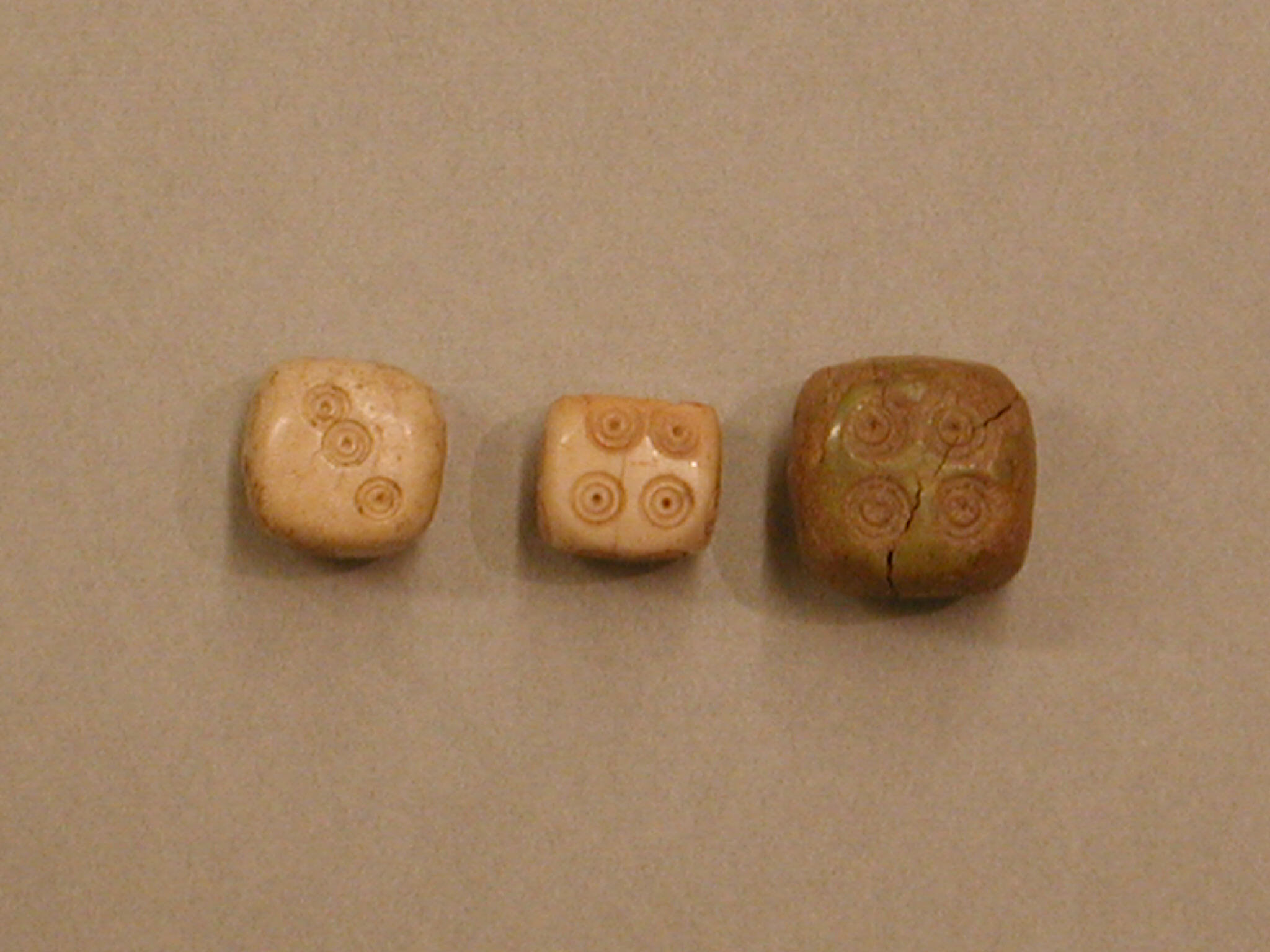
The isolated aesthetic archaeology of a single object—a die carved from ivory or bone, its faces incised and inlaid with paint—offers a profound departure point for the 2026 luxury silhouette. At Natalie Fashion Atelier, we recognize that the dice is not merely a tool of chance, but a microcosm of classical geometry, material memory, and the tension between order and randomness. This artifact, stripped of its gaming context, reveals a pure architectural form that informs a new language of structure, opacity, and interplay.
Material Memory: The Tactile and Visual Legacy of Ivory and Bone
The choice of ivory or bone as the foundational material for this artifact is not arbitrary; it speaks to a heritage of scarcity, craftsmanship, and organic warmth. In the 2026 context, we translate this not through literal material, but through a synthetic bone composite that mimics the subtle translucency and weight of historical ivory. This composite, when used in garment construction, creates a rigid yet breathable architectural panel. The incised markings—the dots of the dice—are reinterpreted as three-dimensional, negative-space embellishments. We employ a technique of laser-ablated indentations on these panels, creating a tactile topography that catches light and shadow, much like the original inlaid paint.
The inlaid paint of the historical dice, often a carbon black or cinnabar red, informs our color palette for 2026. We are not using paint, but rather lacquer-infused resin that is poured into these incised cavities. The result is a series of hyper-precise, high-gloss points of color that punctuate the matte, bone-white surface of the garment. This creates a visual rhythm, a deliberate disruption of the garment’s flow, echoing the dice’s role as a generator of unpredictable outcomes.
Geometric Deconstruction: The Cube as a Silhouette Primer
The cube, the core geometry of the dice, is the primary informant for the 2026 silhouette. We deconstruct this classical form into its constituent parts: the square face, the right angle, the edge. This is not a literal box, but a faceted, modular silhouette. The shoulder line, for instance, is no longer a gentle slope but a sharp, 90-degree angular projection, achieved through internal boning and structured seams. The sleeve is conceived as a suspended cube, a rigid, hollow form that encloses the arm without constricting it, creating a dramatic, architectural volume.
The incised dots are translated into a system of strategic perforations and cutouts across the garment’s surface. A single, large dot—a circular cutout—at the shoulder blade, or a grid of smaller dots along the spine, creates a visual and physical porosity. This technique, which we term “aperture mapping,” allows for the interplay of skin and fabric, of opacity and transparency, directly referencing the negative space of the dice’s inlay. The pattern of these apertures is not random; it follows a Fibonacci sequence derived from the dice’s opposing faces (1 opposite 6, 2 opposite 5, 3 opposite 4), creating a hidden mathematical order within the apparent chaos.
Construction and Draping: The Rigidity of Chance
The construction of the 2026 silhouette is a study in controlled rigidity. We move away from fluid draping and toward geometric tailoring. The garment is built from a series of pre-cut, bone-composite panels that are joined not by traditional stitching, but by articulated hinges made of polished, gunmetal-finished brass. These hinges allow for a limited, precise range of motion, mimicking the dice’s ability to be tossed and to land. The garment becomes a wearable sculpture, its movement a series of deliberate, angular shifts.
The seam lines are not hidden; they are celebrated as structural edges, reminiscent of the dice’s sharp corners. We employ a technique of exposed, reverse-stitched seams that are then coated in a thin layer of the same bone composite, creating a seamless, monolithic appearance. The internal structure is as important as the external; a corset-like chassis of molded composite provides the necessary support for the external panels, ensuring the garment maintains its architectural integrity on the body.
Silhouette Archetypes: The Gambler’s Coat and the Croupier’s Gown
Two primary archetypes emerge from this research. The first is the Gambler’s Coat, a floor-length, oversized duster constructed from a single, continuous spiral of the bone composite. The spiral is incised with the dice’s dot pattern, creating a hypnotic, directional flow. The coat has no closures; it is worn open, revealing a secondary layer of sheer, black silk organza that bears the inverse of the dot pattern, printed in a matte pigment. This creates a dialogue between the rigid outer shell and the fluid inner layer, between the opaque and the translucent.
The second archetype is the Croupier’s Gown, a columnar silhouette that is deceptively simple. The gown is composed of a series of vertical, articulated panels that are hinged at the waist and shoulder. When the wearer is still, the gown appears as a smooth, bone-white cylinder. With movement, the panels separate, revealing the incised and inlaid dots on the interior surfaces. This creates a kinetic, ever-changing pattern that is revealed only through motion, a direct reference to the dice’s role in the dynamic of a game.
Color and Surface: The Monochrome of Risk
The color palette for this collection is deliberately restrained, echoing the original artifact. We work within a strict monochrome of bone-white, carbon black, and cinnabar red. The bone-white is the primary surface, achieved through a matte, slightly porous finish that mimics the texture of aged ivory. The carbon black is used for the incised lines and the hinges, creating a graphic, architectural contrast. The cinnabar red is reserved for the inlaid dots, appearing as precise, glossy points of color that draw the eye and break the monochrome.
The surface treatment is as important as the color. We employ a technique of micro-engraving on the bone composite, creating a subtle, all-over texture that mimics the grain of the original ivory. This texture is invisible from a distance but becomes apparent upon close inspection, rewarding the observer with a deeper appreciation of the craft. The final finish is a hand-rubbed, matte wax that enhances the material’s depth and warmth, while protecting the incised and inlaid elements.
In conclusion, the humble dice, when subjected to the lens of aesthetic archaeology, reveals a sophisticated vocabulary of form, material, and chance. For the 2026 luxury silhouette, this translates into a collection that is rigorously architectural, tactilely rich, and philosophically engaged with the concept of risk and reward. It is a silhouette that is not merely worn, but inhabited, a wearable artifact that speaks to the enduring power of classical elegance reimagined through the prism of modern craftsmanship.