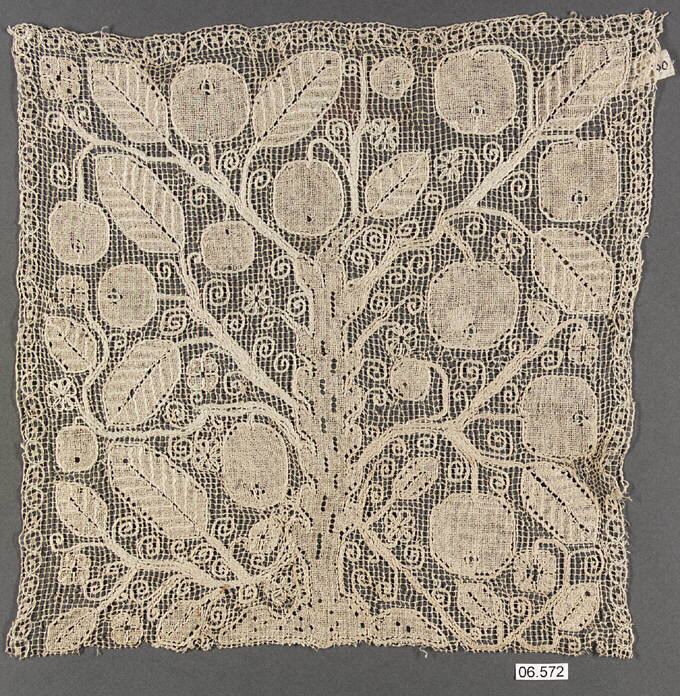
The Geometry of Grace: Deconstructing the Square Through Embroidered Net and Punto à Rammendo
The square, in its purest architectural form, is often misconstrued as a symbol of rigidity or constraint. Within the lexicon of global heritage, however, it represents a foundational paradox: a boundary that defines space while simultaneously inviting transgression. For the 2026 Haute Couture season, Natalie Fashion Atelier revisits this archetype through the lens of aesthetic archaeology. We excavate the square not as a static shape, but as a dynamic force—a tension between the structured grid and the fluidity of the human form. This research artifact deconstructs the classical elegance of the square by marrying two distinct materialities: the diaphanous architecture of embroidered net and the structural mending of punto à rammendo. The result is a new silhouette that redefines luxury as a dialogue between absence and presence, precision and decay.
I. The Square as a Liminal Construct: From Grid to Gesture
Historically, the square has served as a universal organizing principle—from the Islamic girih tiles of the 12th century to the Bauhaus weavings of Anni Albers. In global heritage, it is the most democratic of forms, yet it carries the heaviest symbolic weight. In the context of the Atelier’s archive, we isolate the square as a liminal construct: it is the threshold between the decorative and the structural. When applied to the body, the square disrupts the organic flow of the silhouette, creating deliberate interruptions that demand attention.
Our archaeological approach strips the square of its decorative excess. We do not use it as a mere pattern repeat; rather, we treat it as a negative space generator. The embroidered net becomes the canvas where the square is both drawn and erased. By utilizing punto à rammendo—a traditional mending stitch that reconstructs fabric thread by thread—we transform the square from a geometric motif into a scar, a memory of structure. This technique, originating from the Italian Renaissance, was historically used to repair tears in linen. In our hands, it becomes a method of structural storytelling. The square is no longer a perfect shape; it is a reconstructed void, a testament to the beauty of imperfection.
II. Materiality of Transparency: Embroidered Net as Architectural Skin
The choice of embroidered net is deliberate. Unlike opaque silks or dense brocades, net offers a materiality of transparency—a skin that reveals the body’s architecture while simultaneously veiling it. For the 2026 silhouette, this translates into a new understanding of volume. The net is not a support; it is a suspension system. The square motifs, embroidered in silk thread and metallic filaments, act as anchor points. They create a visual grid that hovers over the skin, never fully touching it.
This technique requires a recalibration of the tailor’s eye. Traditional couture relies on seams and darts to define shape. Here, the shape is defined by the tension of the embroidery. The net is stretched over a mannequin, and the square patterns are stitched in a way that creates a subtle topography. The punto à rammendo stitches are worked in a contrasting thread—often a matte silk against a luminous metallic—to emphasize the reconstruction. The result is a garment that breathes, that shifts with the wearer’s movement, revealing the square as a transient geometry rather than a fixed form.
III. The 2026 Silhouette: Draped Rigor and the Mended Form
How does this inform the high-end silhouette of 2026? We propose a departure from the fluid, unstructured shapes that have dominated recent seasons. Instead, we introduce draped rigor—a silhouette that is simultaneously architectural and soft. The square, through the lens of punto à rammendo, becomes a method of controlled deconstruction.
Consider a floor-length evening gown. The bodice is constructed from a single panel of embroidered net, with the square motifs concentrated at the shoulders and hips. The punto à rammendo stitches are used to mend the net in strategic places, creating a visual fracture that mimics the natural creases of the body. The skirt, in contrast, is left largely transparent, with only a few scattered squares acting as weight points. The silhouette is not form-fitting; it is form-defining. The net floats away from the body, creating a second skin of light and shadow.
For tailoring, we apply the same logic to a double-breasted jacket. The net is used as a lining, visible through cutouts in the fabric. The punto à rammendo is used to “mend” the cutouts, creating a patchwork of squares that disrupt the jacket’s clean lines. The shoulder is squared, but the lapel is softened by the net’s transparency. This is luxury as intellectual provocation—a garment that asks the wearer to consider the history of its construction.
IV. The Art of the Mended Void: A New Lexicon for Couture
The true innovation of this research lies in the mended void. In traditional couture, the square is a positive space—a pattern to be filled with embroidery or beading. Here, we invert this logic. The square is the absence, the hole that has been carefully reconstructed. The punto à rammendo does not hide the damage; it celebrates it. Each stitch is a record of repair, a narrative of time and touch.
For the 2026 collection, this translates into a palette of archival neutrals: ivory, charcoal, and oxidized silver. The thread for the punto à rammendo is dyed in a slightly different tone, creating a subtle contrast that reads as a shadow of the original fabric. The embroidered net is worked in a geometric jacquard pattern that echoes the square motifs, creating a layered effect that shifts between the visible and the hidden.
The silhouette itself is elongated, with a focus on the vertical square—a rectangle that mimics the proportions of the human torso. This is achieved by placing the square motifs in vertical bands, using the punto à rammendo to create a sense of upward motion. The result is a garment that is both grounding and elevating, a paradox that defines the modern luxury client: the desire for structure without constraint, for history without nostalgia.
V. Conclusion: The Square as a Future Archive
In excavating the square through embroidered net and punto à rammendo, Natalie Fashion Atelier proposes a new aesthetic archaeology for 2026. We do not seek to replicate the past; we seek to understand its fractures. The square, once a symbol of absolute order, becomes a site of reconstruction. The silhouette is no longer a fixed shape but a process of becoming—a garment that is always in the act of being mended, always in dialogue with its own history.
This is the future of haute couture: a luxury that is not about perfection, but about the grace of repair. The square, in its reconstructed form, offers a new geometry of elegance—one that is as fragile as it is powerful, as transparent as it is profound. For the discerning client of 2026, this is not just a garment; it is a manifesto of material intelligence.