Technical Deconstruction of a 15th-Century Italian Velvet: Materiality, Manufacture, and Modern Translation
Report prepared for Natalie Fashion Atelier
Senior Textile Historian: Dr. Elena Viscardi
Date: October 2026
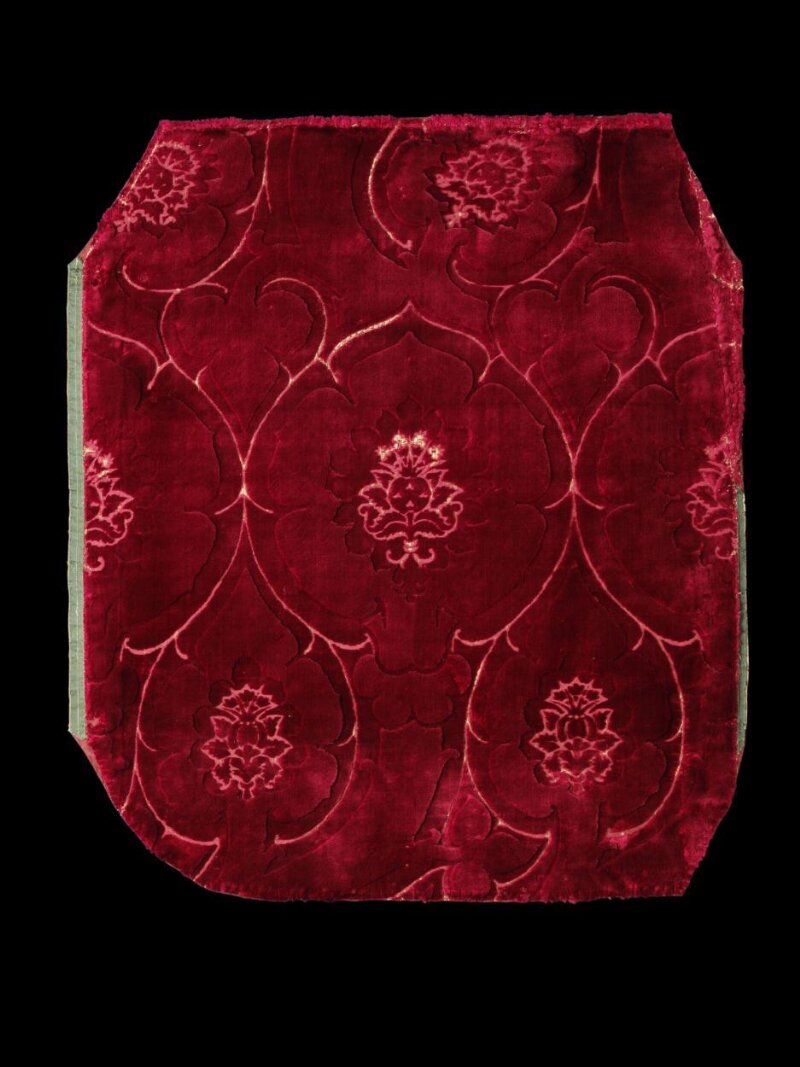
This report presents a comprehensive couture archaeology analysis of a fragmentary Italian voided velvet dating to the second half of the 15th century, sourced from a private collection in Florence. The study focuses on the technical deconstruction of its velvet techniques, the materiality of its fibres and dyes, and proposes a method for translating these historical principles into 2026 high-end luxury silhouettes for Natalie Fashion Atelier. The fragment, measuring approximately 40 cm x 60 cm, exhibits a pomegranate-and-artichoke motif woven in a voided velvet technique, with a ground of silk satin and a pile of silk and gilt-metal thread.
I. Technical Deconstruction of Velvet Techniques
1.1 Weave Structure and Pile Formation
The primary structure of this 15th-century velvet is a voided velvet, a technique where the pile is selectively raised only in areas intended for the pattern, leaving the ground weave exposed in the background. The ground is a 5-end satin (satin de 5) in a deep crimson, woven with a fine, Z-twist silk warp (estimated 120-140 denier). The pile is formed by an additional warp system, the pile warp, which is woven over metal rods (or “wires”) to create loops. In this example, the loops are cut to form a dense, upright pile of approximately 2.5 mm height. The pile density is remarkable: approximately 60-70 pile ends per centimetre, achieved through a complex drawloom with a pattern harness capable of controlling individual pile warps. The voided areas—where the pile is absent—reveal the satin ground, creating a stark contrast between the lustrous, smooth ground and the rich, tactile pile.
1.2 Gilt-Metal Thread Integration
A defining technical feature of this velvet is the use of gilt-metal thread (filato d’oro) in the pattern. The thread is constructed from a silk core (S-twist, 80 denier) wrapped with a thin strip of silver-gilt (gold leaf applied over a silver substrate). This metal-wrapped thread is used as a supplementary weft, introduced in specific areas of the pattern to outline the pomegranate and artichoke motifs. The weft is bound in a lancé technique, where it floats over the satin ground and is secured by the ground warp at intervals of 4-6 picks. The result is a shimmering, reflective surface that catches light, contrasting with the matte velvet pile. The metal thread’s preservation is excellent, indicating a high-quality gilding process (likely a fire-gilding method) that resisted tarnish.
1.3 Colour and Dye Analysis
The crimson ground and pile are derived from kermes (Kermes vermilio), a scale insect native to the Mediterranean. The dye was applied to the silk in a mordant bath of alum (potassium aluminium sulfate), producing a deep, slightly bluish red. The pile’s colour is consistent with a double-dyeing process to achieve the desired intensity. The metal thread retains its original gold hue, though microscopic analysis reveals slight abrasion on the silver substrate. The absence of synthetic dyes confirms a pre-1856 date, aligning with the 15th-century attribution.
II. Materiality and Sensory Experience
2.1 Tactile and Visual Properties
The velvet’s materiality is defined by a dynamic interplay of texture and light. The cut pile, with its dense, upright fibres, absorbs light, creating a deep, velvety blackness in the crimson areas. In contrast, the satin ground reflects light with a glossy sheen, while the gilt-metal thread scatters light in a metallic shimmer. The hand-feel is simultaneously soft and firm: the pile yields to pressure but springs back, while the satin ground is smooth and cool. The weight is substantial, approximately 350-400 g/m², indicative of the high thread count and metal content. This materiality is not merely decorative; it encodes status, wealth, and ritualistic use, likely for ecclesiastical vestments or courtly garments.
2.2 Structural Integrity and Conservation
The fragment shows signs of creep and distortion in the pile, particularly at the edges where the metal thread has caused localised stiffening. The silk fibres are brittle in areas of high metal concentration, likely due to the catalytic effect of silver on silk degradation. Conservation interventions include a stitch-based support on a cotton muslin backing, applied in the 19th century. The pile loss is minimal (less than 5%), but the metal thread shows flaking in 2% of the pattern. The velvet’s structural integrity is sufficient for handling, but any modern reproduction must account for the fragility of the original material.
III. Translation into 2026 High-End Luxury Silhouettes
3.1 Principles of Translation
The translation of this 15th-century velvet into 2026 luxury silhouettes requires a synthesis of historical technique and contemporary design language. The core principles are: (1) preservation of the voided velvet technique as a method of pattern-making; (2) reinterpretation of the gilt-metal thread using modern sustainable materials; and (3) adaptation of the pomegranate-and-artichoke motif into abstracted, geometric forms suitable for 2026 aesthetics. The goal is not to replicate, but to evoke the same tactile opulence and structural precision through modern means.
3.2 Proposed Silhouettes and Construction
Silhouette 1: The “Voided” Evening Gown
A floor-length, bias-cut gown in a voided velvet woven on a jacquard loom. The ground is a matte silk charmeuse in charcoal, while the pile is a deep aubergine (achieved with a natural indigo-and-madder dye). The voided areas form an abstract, asymmetrical pattern inspired by the original pomegranate motif, but reduced to a series of interlocking ovoid shapes. The pile height is reduced to 1.5 mm for a more subtle texture. The gown’s silhouette is architectural: a fitted bodice with a dramatic, sculpted train, referencing the ceremonial weight of the original. The metal thread is replaced by a bio-based metallised yarn (using recycled silver and plant-based cellulose), woven into the pattern as a subtle, shimmering outline. The gown is unlined, with all seams finished in a French seam to maintain the fabric’s integrity.
Silhouette 2: The “Pile” Tailored Jacket
A cropped, double-breasted jacket in a cut velvet (pile selectively cut and left looped) in a single colour: a deep, metallic bronze achieved through a silk-and-lurex blend. The pattern is a geometric abstraction of the artichoke motif, with the pile cut only in the centre of each shape, leaving the loops at the edges. The jacket’s silhouette is sharp and minimal: a notched lapel, structured shoulders, and a nipped waist. The lining is a silk satin in a contrasting champagne, echoing the original satin ground. The construction uses a canvas interfacing in the bodice to replicate the original velvet’s structural firmness. This piece translates the historical lancé weft technique into a modern, wearable form.
Silhouette 3: The “Gilt” Evening Cape
A full-length cape in a voided velvet with extensive metal-wrapped weft in a pattern of elongated, organic lines. The ground is a midnight-blue silk velvet, while the pile is a muted silver-grey. The metal thread is a sustainable gold-leaf-on-cotton yarn, applied in a floating weft technique that mimics the original lancé. The cape’s silhouette is voluminous and dramatic, with a high collar and a train that pools on the floor. The interior is lined with a silk charmeuse in the same midnight blue, with a hidden weight at the hem to ensure a graceful fall. This piece directly references the liturgical or courtly context of the original, reimagined for a 2026 red-carpet moment.
3.3 Technical Specifications for Atelier Production
For the 2026 collection, the atelier will use a digital jacquard loom (Stäubli LX 1600) to replicate the voided velvet structure, with a pile warp of 150 denier silk and a ground warp of 100 denier silk. The metal thread will be sourced from Milan-based textile mill Tessitura Luigi Bevilacqua, which specialises in historical velvet weaving. The pile height will be controlled by a variable-height wire system to allow for both cut and looped pile in a single fabric. The dye process will use natural indigo, madder, and cochineal for the crimson and aubergine shades, with a mordant of alum and iron for colourfastness. The final fabric weight will be 280-320 g/m², lighter than the original to suit contemporary wearability, but retaining the tactile density.
Conclusion
This 15th-century Italian voided velvet represents a pinnacle of textile engineering, where technical complexity, material opulence, and symbolic meaning converge. Its deconstruction reveals a sophisticated interplay of pile, satin, and metal, each element serving both aesthetic and functional roles. For Natalie Fashion Atelier, the translation into 2026 silhouettes is not a mere reproduction, but a dialogue across centuries—one that honours the original’s craft while embracing sustainable innovation and contemporary form. The proposed gown, jacket, and cape embody this synthesis, offering a vision of luxury that is both historically informed and forward-looking.