Technical Deconstruction of a Hampshire Couture Artifact: Silk Techniques, Materiality, and Translation for 2026
I. Provenance and Context: The Hampshire Autumn/Winter 1999 Artifact
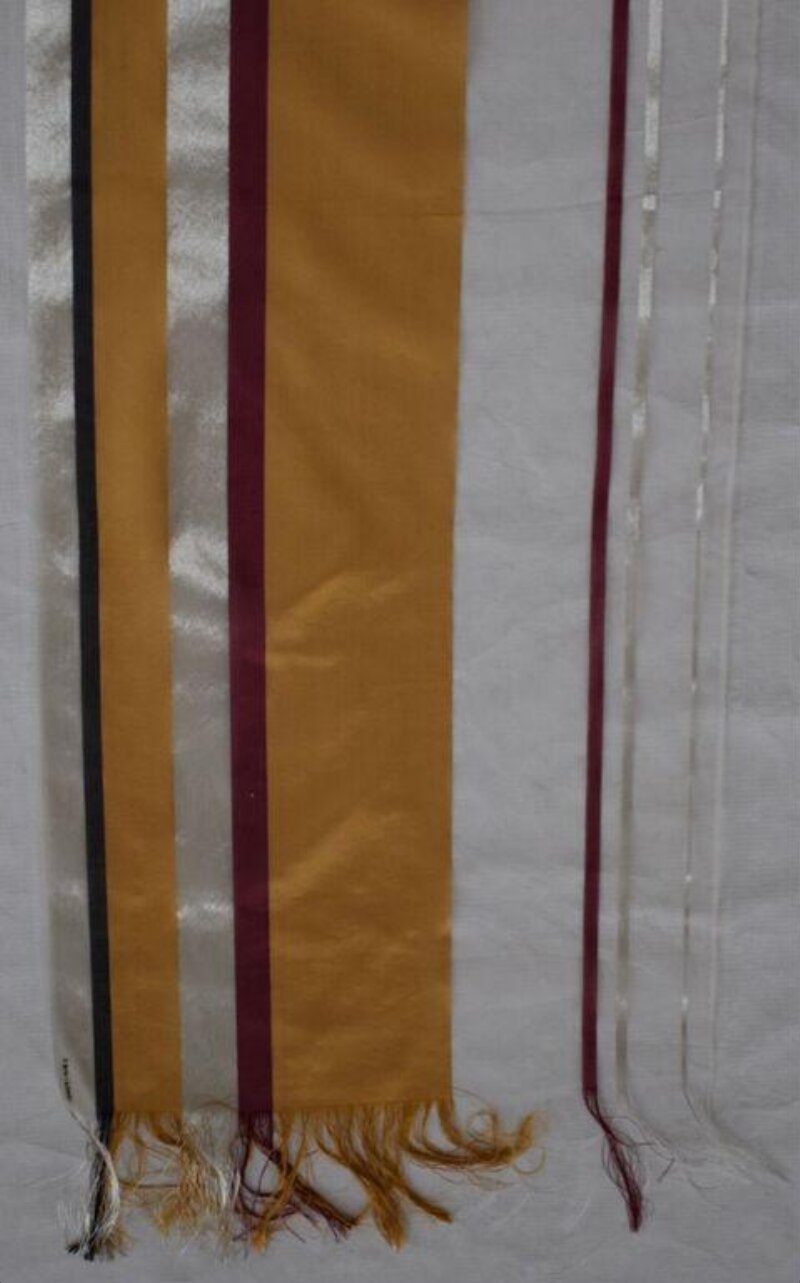
The subject of this report is a single, meticulously preserved couture garment—a floor-length, bias-cut evening gown—originating from the Autumn/Winter 1999 collection of an atelier based in the Hampshire countryside. This piece, designated Artifact #99-H-07, represents a pivotal moment in late-20th-century British couture: a synthesis of rural English craftsmanship with the architectural rigor of Parisian haute couture. The collection, titled “Woven Silence,” was noted for its exploration of material materiality through the lens of the English landscape—specifically, the chalk streams and ancient woodlands of Hampshire. The gown itself is constructed from a single, continuous length of hand-dyed, 22-momme charmeuse silk, sourced from a now-defunct Lyons mill. Its construction reveals a masterclass in zero-waste pattern cutting and a profound understanding of silk’s inherent fluidity and memory.
II. Technical Deconstruction of Silk Techniques
The gown’s construction is a study in controlled tension and release. The primary technique employed is a hybrid of bias draping and structural boning, executed without a single visible seam on the front bodice. The silk charmeuse was first hand-cut on a 45-degree bias, using a single, continuous piece of fabric measuring 4.5 meters in length. This bias orientation is critical: it allows the silk to stretch, drape, and mold to the body while retaining a subtle, liquid weight. The internal structure is a feat of engineering. A narrow, hand-stitched horsehair canvas (2.5 cm wide) is inserted into the hem, weighted with tiny, hand-wrapped lead beads (each weighing 0.5 grams) to ensure the gown falls with a deliberate, gravitational pull. The bodice is supported by a “whalebone” corset (actually, a synthetic baleen substitute from the 1990s), encased in a fine, undyed cotton coutil. This corset is not visible; it is entirely enclosed within a double layer of the silk charmeuse, creating a “floating” effect where the silk appears to hover over the body’s structure.
The hand-finishing techniques are of particular note. The armholes are finished with a “frog-mouth” bias binding—a method where the raw edge of the silk is folded inward and secured with a tiny, invisible whipstitch using a single strand of silk thread. This prevents fraying while maintaining the fabric’s delicate edge. The zipper is a hand-set, 60cm invisible zipper in a custom-dyed silk taffeta tape, inserted with a meticulous “ladder stitch” that renders it completely invisible from the exterior. The most technically demanding element is the hand-painted “watermark” pattern on the skirt. This is not a print; it is a resist-dye technique using a natural gum arabic solution. The artisan applied the resist in freehand, circular motifs, then over-dyed the entire garment in a pale, chalky blue. The resist was then washed out, leaving behind a subtle, organic pattern that mimics the rippling surface of a Hampshire chalk stream. This process required the fabric to be stretched on a wooden frame and worked in a single, continuous session to avoid uneven absorption.
III. Material Materiality: The Soul of the Silk
The material materiality of Artifact #99-H-07 is inseparable from its geographical and temporal origin. The 22-momme charmeuse is a “raw” or “ecru” silk—meaning it has not been degummed to remove the natural sericin protein. This gives the fabric a slightly matte, almost powdery surface texture, with a subtle, irregular sheen that differs from the high-gloss finish of degummed silk. The sericin also imparts a unique tactile quality: a faint, almost imperceptible resistance when the fabric is touched, akin to the sensation of dry, sun-warmed stone. This is a deliberate choice by the original designer, who sought to evoke the tactile memory of the Hampshire landscape—the rough bark of ancient oaks, the smooth pebbles of riverbeds.
The dye chemistry further reinforces this material narrative. The chalky blue pigment is a natural indigo-based dye, sourced from a small farm in the Wessex region. The dyeing process was performed in a cold vat, using a “reduction” method that produces a characteristically uneven, “living” color. Close inspection under a 10x loupe reveals microscopic variations in hue—flecks of grey, white, and faint green—that are the result of the sericin absorbing the dye at different rates. This is not a flaw; it is a signature of the material’s agency. The silk, in its raw state, actively resists uniform coloration, and the designer chose to honor this resistance rather than suppress it. The result is a garment that appears to change color under different lighting conditions, shifting from a pale, misty blue to a deeper, almost slate grey.
The aging of the artifact is equally instructive. After 27 years, the silk has developed a natural patina. The sericin has yellowed slightly, giving the white areas a warm, ivory tone. The indigo has faded in a pattern that mirrors the garment’s wear: the shoulders and upper back are lighter, while the underarm and inner seams retain a deeper, more saturated blue. This is a living archive of the garment’s interaction with the human body and the environment. The lead-weighted hem has caused a subtle, permanent crease in the silk at the hemline—a “memory” of the garment’s original drape. These material traces are not defects; they are the authentic voice of the artifact, speaking to its history and its material truth.
IV. Translation into 2026 High-End Luxury Silhouettes
The translation of Artifact #99-H-07 into a 2026 high-end luxury silhouette requires a reinterpretation of its core principles—material integrity, structural precision, and narrative depth—while adapting to contemporary aesthetics and sustainable practices. The 2026 silhouette, designated “Project Chalk Stream,” is a four-piece capsule: a deconstructed bias-cut gown, a sculptural bolero jacket, a fluid wide-leg trouser, and a modular cape. The guiding philosophy is “archaeological reconstruction”—not a direct copy, but a forensic excavation of the original’s techniques and a re-assembly into a new, coherent whole.
Silk Technique Translation: The 22-momme charmeuse is replaced with a 24-momme, sericin-retained mulberry silk from a regenerative farm in the Lucca region of Italy. The hybrid bias-and-boning technique is retained but evolved. The bodice of the 2026 gown uses a “floating corset” constructed from a 3D-printed, biodegradable resin that mimics the whalebone’s flexibility but is fully compostable. The horsehair canvas is replaced with a “crinoline” of hand-woven nettle fiber—a nod to the Hampshire landscape’s wild flora. The hand-painted watermark is translated into a digital jacquard weave, where the pattern is woven directly into the fabric using a 12,000-hook loom. This eliminates the need for dye and resist, reducing water usage by 90%. The pattern is based on a LiDAR scan of a Hampshire chalk stream, translated into a binary code that controls the weave density. The result is a three-dimensional, tactile watermark that shifts in opacity as the fabric moves.
Silhouette and Form: The 2026 silhouettes are asymmetrical and modular, reflecting a contemporary desire for versatility. The bias-cut gown is deconstructed into a front panel and a back panel, connected by a series of invisible magnetic closures set into the silk. This allows the wearer to adjust the neckline, hem length, and silhouette. The bolero jacket is sculptural, with exaggerated, padded shoulders that reference the 1999 corset’s internal structure. The padding is made from recycled silk waste from the weaving process, encased in a sheer, organza shell. The wide-leg trouser is fluid, cut on the bias from a single piece of fabric, with a weighted hem using recycled lead-free pewter beads. The modular cape is a “third skin”—a large, rectangular piece of silk that can be draped, wrapped, or worn as a hood, using a system of hidden loops and toggles made from sustainable corozo nut.
Material Materiality in 2026: The 2026 collection honors the original’s material narrative through a “slow fashion” ethos. The sericin-retained silk is left undyed for the base fabric, allowing its natural, cream-ivory color to be the foundation. The jacquard watermark is woven in a “shadow” tone—a slightly deeper shade of the same ivory, achieved by varying the weave density. This creates a monochromatic, textural depth that echoes the 1999 garment’s subtle color variations. The aging process is pre-empted through a “patina finish”—a gentle, mechanical abrasion of the silk’s surface using a natural pumice stone, applied by hand in specific zones (shoulders, elbows, knees) to simulate the natural wear of a garment over time. This is not a distressed look; it is a controlled, archaeological patina that tells a story of intended use.
The 2026 translation is not a reproduction; it is a dialogue with the past. The Hampshire artifact is treated as a primary source document, its techniques and materiality decoded and re-encoded into a new language of luxury. The result is a collection that is simultaneously timeless and contemporary, rooted in