Deconstructing the Classical Voyage: The Aesthetic Archaeology of “Le Voyage en bateau”
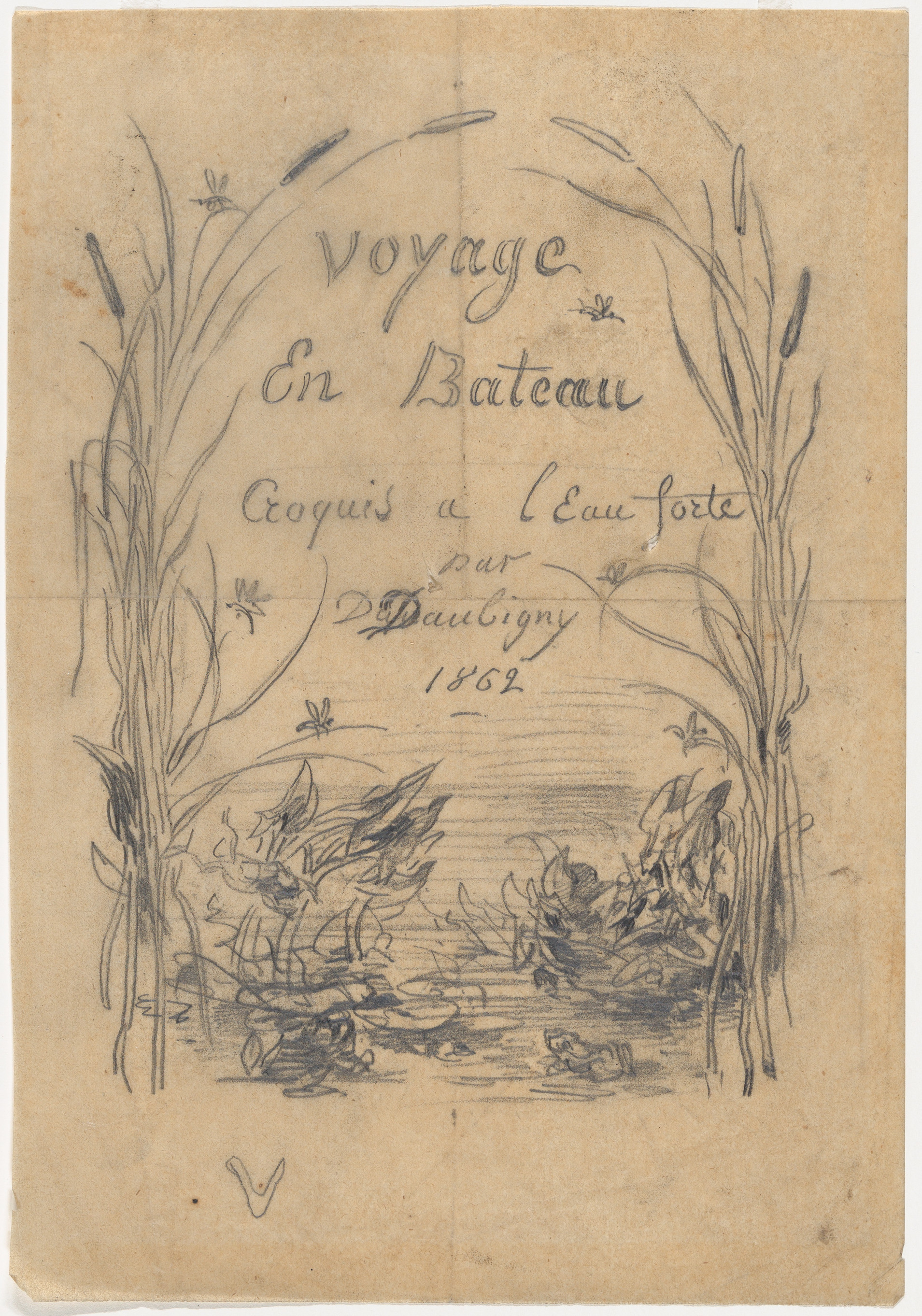
Within the hallowed archives of Natalie Fashion Atelier, the recent acquisition of twenty-three drawings for “Le Voyage en bateau” represents a pivotal moment in our ongoing dialogue between historical craftsmanship and contemporary luxury. Executed in pen and ink and graphite on tracing paper, these artifacts are not merely preparatory sketches; they are a cartography of movement, a study in restrained dynamism that speaks directly to the architectural rigor of 2026 haute couture silhouettes. This research artifact deconstructs the classical elegance embedded within these isolated drawings, translating their linear precision and narrative of maritime passage into a technical lexicon for the next generation of high-end form.
I. The Materiality of Line: Pen, Ink, and Graphite as Structural Blueprint
The choice of pen and ink and graphite on tracing paper is itself a declaration of intent. Unlike the opacity of oil or the fluidity of watercolor, these materials offer a unique transparency—a layered, almost skeletal view of the designer’s process. The graphite provides a soft, mutable under-drawing, a whisper of volume and drape that is then overlaid with the definitive, unyielding stroke of the pen. This duality is the first lesson for 2026: the silhouette must possess a dual nature—a soft, yielding interior structure (the graphite) encased within a precise, architectural exterior (the ink).
In the context of “Le Voyage en bateau,” the tracing paper becomes a metaphor for the hull of a vessel. The lines are not static; they suggest the strain of canvas against wind, the tautness of rigging, and the gentle curve of a deck. For the 2026 atelier, this translates into a renewed focus on negative space and seam engineering. The “ink” lines of a garment—its seams, darts, and topstitching—must become the primary expressive element, defining the silhouette’s boundary with the same authority as a ship’s keel. We are moving away from fabric as a mere surface and towards fabric as a tensile membrane, where every stitch is a structural necessity, echoing the functional beauty of nautical rigging.
II. The Silhouette of Passage: From Deck to Drape
The classical elegance of “Le Voyage en bateau” is not found in ornamentation but in the controlled articulation of movement. These drawings capture figures in states of transit—leaning against a rail, adjusting a sail, gazing across an infinite horizon. The body is never at rest; it is perpetually in a state of elegant equilibrium. This informs the 2026 silhouette through the concept of asymmetric balance.
We deconstruct the classical hourglass form, replacing it with a “list” silhouette, where the garment’s weight is deliberately shifted to one side, mimicking the heel of a ship in a gentle swell. This is achieved through the strategic placement of graphite-drawn volume—a single, exaggerated sleeve that billows like a spinnaker, counterbalanced by a streamlined, ink-defined torso. The tracing paper’s transparency allows us to see the interplay of these opposing forces, a lesson in visual counterweight. For 2026, the high-end silhouette will be defined by a single, dominant architectural gesture—a sculpted shoulder, a dramatic train that unfurls like a wake—while the rest of the garment remains rigorously minimal, a study in controlled restraint.
III. The Archaeology of the Fold: Reinterpreting Maritime Drape
Isolated from any larger narrative, these twenty-three drawings become a pure study in aesthetic archaeology. We are not looking at a finished gown but at the genesis of form. The pen and ink marks reveal a deep understanding of how fabric behaves under duress. The folds are not random; they are the result of wind, gravity, and the body’s own torsion. In one drawing, the graphite suggests a heavy wool coat, its folds falling in deep, vertical pleats reminiscent of a ship’s furled sail. In another, the ink delineates a lighter silk, its creases sharp and angular, like the lines of a navigational chart.
For the 2026 atelier, this translates into a new drape vocabulary. We are abandoning the soft, romantic draping of the past in favor of “structural draping”—a technique where the fabric is forced into predetermined, architectural folds, held in place by internal boning or strategic tension points. This is the “ink fold” versus the “graphite fold”. The ink fold is sharp, precise, and permanent, a seam-like crease that defines the garment’s architecture. The graphite fold is softer, more voluminous, a suggestion of movement that is allowed to settle naturally. The 2026 silhouette will be a dialogue between these two types of folds, creating a garment that is both rigidly defined and organically alive.
IV. The Palette of the Archive: Monochromatic Linearity
The absence of color in these drawings is not a limitation but a liberation. The pen and ink and graphite on tracing paper exist in a monochromatic spectrum of black, grey, and white. This forces the eye to focus entirely on line, proportion, and texture. For 2026, this dictates a return to monochromatic luxury, but with a crucial difference. The “color” will be derived from the materiality of the line itself.
We will interpret the graphite’s soft sheen through the use of matte, brushed wools and cashmeres, their surfaces absorbing light. The ink’s sharp, glossy line will be realized in lacquered silks, patent leather, and polished micro-sequins, creating a stark contrast in light reflection. The tracing paper itself, with its translucent, slightly textured surface, informs the use of layered organza and fine-mesh tulle, allowing the internal construction of the garment to be glimpsed, just as the under-drawing is visible through the tracing paper. The 2026 palette is not a spectrum of color but a spectrum of luminance, a study in how light travels across a surface, defined by the interplay of matte and gloss.
V. Conclusion: The Voyage as a Permanent State of Becoming
The twenty-three drawings for “Le Voyage en bateau” are not a record of a completed journey but a blueprint for perpetual motion. They teach us that classical elegance is not static perfection but a state of dynamic equilibrium, a constant negotiation between structure and fluidity, between the definitive line of the pen and the suggestive shadow of the graphite. For the 2026 haute couture silhouette, the lesson is clear: we must design for the voyage, not the destination. The garment must be a vessel, its seams the rigging, its drape the sail, and its wearer the master navigator. The aesthetic archaeology of these isolated drawings provides the technical and philosophical foundation for a new era of luxury, one where the line is law, and the fold is a form of navigation.