Deconstructing the Classical: The Candlestand as a Blueprint for 2026 Silhouettes
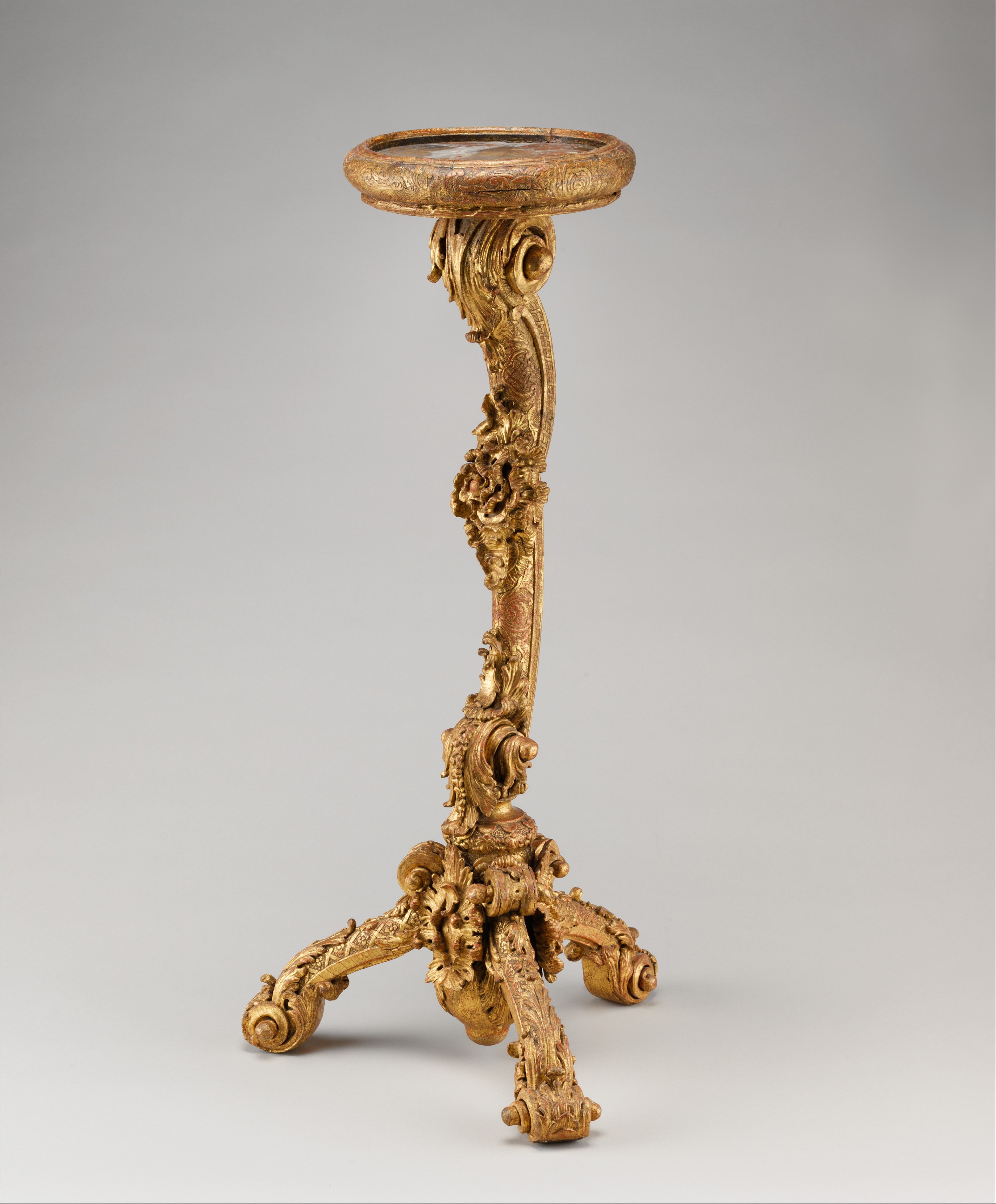
In the rarefied domain of aesthetic archaeology, the object is never merely functional. It is a compressed narrative of material mastery, structural logic, and cultural aspiration. For the 2026 collection at Natalie Fashion Atelier, we have isolated a singular artifact: a pair of 18th-century candlestands, a masterpiece of the German Rococo. Their heritage is not confined to a single geography but resonates as a global touchstone of elegance. The materiality—Linden wood, meticulously carved and sheathed in cut and gilded gesso, supporting a summit of Tegernsee limestone—offers a profound lexicon for the future of haute couture. This research artifact deconstructs the classical elegance of these supports, translating their structural, textural, and chromatic dialogues into directives for high-end silhouettes.
Structural Logic: The Cantilever and the Column
The candlestand’s anatomy is a study in calibrated tension. The base, a tripartite or quadripartite scrollwork, flares outward with a deceptive weightiness, anchoring the vertical ascent. The shaft, often a turned or faceted baluster, rises with a disciplined tapering, culminating in a platform that appears to float. This is not a static column but a dynamic system of counterpoints. The 2026 silhouette must internalize this logic. We see a direct translation in the architectural gown, where a structured, sculpted bodice acts as the stand’s base, providing a solid foundation. The skirt, in a radical departure from fluid draping, becomes the shaft—a column of engineered fabric, perhaps a double-faced wool or a rigid silk gazar, that tapers from a defined waist to a narrow, almost restrictive hem. This creates a silhouette of controlled verticality, a “walking column” that mimics the stand’s disciplined rise.
The concept of the cantilever is equally critical. The candlestand’s platform overhangs its shaft, a subtle but powerful gesture of imbalance corrected by material integrity. In our 2026 work, this manifests as the asymmetric shoulder—a single, pronounced epaulet of gilded leather or a rigid, petal-like extension of the bodice. This element does not merely decorate; it redefines the wearer’s silhouette, creating a visual counterweight to the columnar skirt. The garment becomes a system of forces, where the eye is led from the grounded base to the daring, projecting structure above. This is not about comfort; it is about architectural presence.
Materiality as Narrative: The Trinity of Wood, Gesso, and Stone
The material triad of the candlestand is a masterclass in surface and substance. Linden wood, prized for its fine, even grain and ease of carving, provides the core—a soft, receptive structure that allows for the most intricate, organic forms. This is the understructure of the garment, the invisible corsetry or the internal boning that gives shape to the drapery. The 2026 silhouette will not shy away from revealing this armature. We propose a series of deconstructed corsets in matte, natural linen or raw silk, where the seams and boning channels are exposed, echoing the wood’s honest, structural role. This is a celebration of the sous-vêtement as the primary architectural element.
The cut and gilded gesso is the transformative layer. Gesso, a mixture of chalk, gypsum, and animal glue, is applied in multiple coats, then carved with razor-sharp precision before being burnished with gold leaf. This process creates a surface of immense depth—a matte, porous foundation overlaid with a brilliant, reflective skin. For the 2026 collection, this translates into a revolutionary textile treatment. We will develop a gesso-like fabric—a dense, cotton-backed composite that can be cut, embossed, and then selectively gilded. The result is a textile that is not printed but sculpted. Think of a gown where the bodice is a continuous field of matte black, from which a pattern of gilded, three-dimensional scrollwork emerges. The gold is not a separate appliqué; it is a surface metamorphosis, a direct echo of the gesso’s alchemy. This technique allows for a play of light that is both ancient and hyper-modern, with the gold catching the light only at specific angles, creating a shifting, living surface.
Finally, the Tegernsee limestone top. This is the terminal element, the point of rest. Its cool, grey-white, slightly granular surface provides a stark, grounding contrast to the warmth of the gilded wood. It is the anchor of the composition. In silhouette terms, this translates to the collar and shoulder line. We will introduce a series of rigid, stone-like collars—sculpted from a lightweight, resin-infused ceramic or a highly polished, dense merino wool felt—that sit as a separate, almost architectural piece atop the garment. This collar is not a trim; it is a platform. It frames the face with the same quiet authority as the limestone top frames the candle. Its color palette will be strictly mineral: Pietra Serena, Bianco di Carrara, and the specific blue-grey of Tegernsee. This creates a visual and tactile dialogue between the soft, gilded body of the gown and the hard, cool terminus at the neck. The wearer becomes the candle, the living flame, while the garment is the stand that elevates and supports.
Chromatic and Textural Dialogue: The 2026 Palette
The candlestand dictates a restrained, highly specific color story. The base is the warm, honeyed tone of the Linden wood, which we interpret as a deep, burnished ochre or a muted, earthy amber. The gesso introduces a matte, chalky white, a foundational hue for linings and underlayers. The gilding is the sole point of brilliance—a 24-carat yellow gold, a pale, almost white gold, or a deep, Florentine red gold. This is not a gilded age of excess; it is a single, strategic accent. The limestone provides the cool, mineral counterpoint: a range of greys from dove to slate, and a singular, clean white.
Our 2026 collection will be built on this triad. A gown might feature a bodice in burnished ochre silk gazar, with a gilded, cut-gesso pattern at the waist. The skirt will be a column of slate-grey wool crepe, and the entire composition will be capped by a limestone-white ceramic collar. The texture is paramount: the smooth, cool collar against the embossed, gilded bodice against the fluid, matte crepe. This is a haptic experience, a dialogue of surfaces that demands to be touched and understood.
Conclusion: The Artifact as Oracle
The pair of candlestands, isolated from their original context, becomes an oracle for the 2026 haute couture silhouette. They teach us that true elegance is not about volume or fluidity, but about structural clarity, material honesty, and a disciplined hierarchy of surface and form. The 2026 woman will not be draped; she will be constructed. Her silhouette will be a column, a cantilever, a platform. Her garment will be a system of forces, a narrative of wood, gesso, and stone translated into silk, wool, and ceramic. This is not a revival of the past; it is a deconstruction and reconstruction of its most potent formal principles. The candlestand is not a relic; it is a blueprint for the future of form.