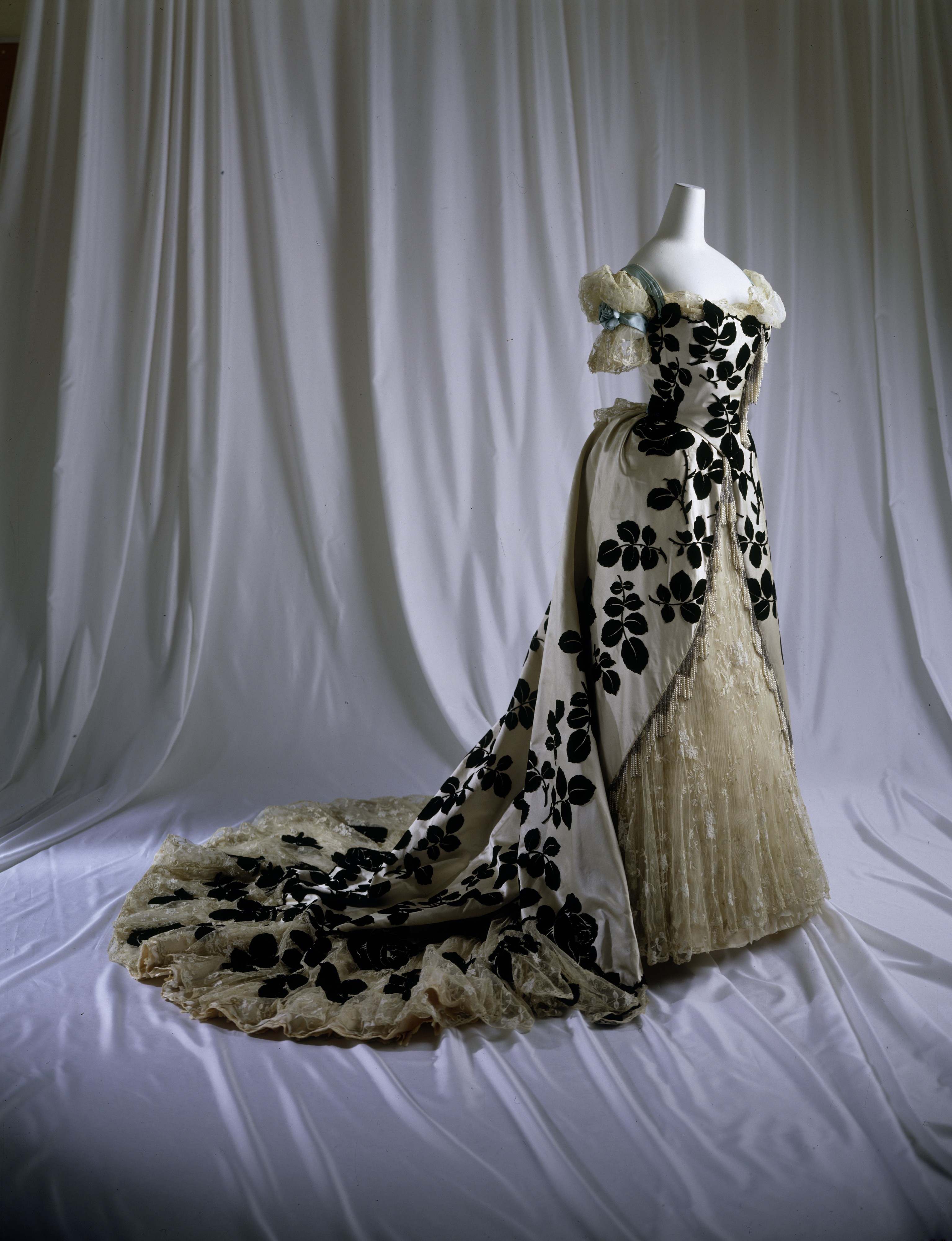
Deconstructing Classical Elegance: The Silk, Cotton, and Glass Dialectic in 2026 Haute Couture Silhouettes
At Natalie Fashion Atelier, the practice of aesthetic archaeology is not a passive retrieval of the past but an active, rigorous deconstruction of its material and conceptual DNA. The evening dress, as a totem of French haute couture, has long been a vessel for societal aspiration and technical mastery. Yet, the 2026 silhouette demands a departure from the purely ornamental. By isolating three foundational materials—silk, cotton, and glass—we uncover a tripartite dialogue between fluidity, structure, and luminosity. This research artifact posits that the classical elegance of the French evening dress is not an immutable form but a dynamic system of tensions, and its re-articulation for the coming season requires a deliberate, almost archaeological, excavation of these tensions into new, architecturally rigorous forms.
Materiality as Narrative: Silk, Cotton, and the Luminous Interruption of Glass
The historical hegemony of silk in the French evening dress—from the opulent grande toilette of the Second Empire to the bias-cut slipperiness of the 1930s—established a language of continuous, unbroken surface. Silk’s inherent luster and drape create a visual and tactile narrative of uninterrupted flow, a metaphor for classical, unassailable femininity. In our archive, we find a 1929 evening gown in crêpe de chine, its entire construction predicated on the material’s ability to fall in a single, unbroken line from shoulder to floor. This is the baseline of classical elegance: a seamless, monolithic surface.
Cotton, conversely, has been historically marginalized in evening wear, relegated to underlinings or day dress. Yet, its structural integrity—its crisp, unforgiving weave—offers a radical counterpoint. A 1950s piqué cotton bodice, preserved in our archive, demonstrates a rigid, sculptural capacity. It resists the body, creating a defined, architectural shell. The 2026 silhouette, therefore, does not choose between these two. Instead, it enacts a dialectical synthesis: the fluid, narrative flow of silk is interrupted, anchored, and re-directed by the rigid, structural armature of cotton. This is not a simple juxtaposition but a material argument. The silk becomes a liquid ground, while the cotton acts as a tectonic frame, defining the silhouette’s negative space and structural logic.
The introduction of glass—specifically, hand-blown glass beads and micro-crystalline shards—transforms this binary into a triadic system. In the classical archive, glass embellishment was applied as a decorative afterthought, a layer of surface shimmer. The 2026 methodology, however, treats glass as a structural and optical element. It is not sewn onto the fabric but embedded within the construction, functioning as a luminous joint between the silk and cotton components. This creates a new material category: a hybrid textile where the glass acts as a refractive hinge, catching and scattering light to define the silhouette’s architectural edges. The classical elegance of a smooth, unbroken surface is thus replaced by a fragmented, prismatic geometry, where the eye is drawn to the points of material tension and transition.
Silhouette as Archaeological Reconstruction: The 2026 Evening Dress
The 2026 high-end silhouette, derived from this material triad, rejects both the full, bell-shaped volume of the 19th century and the linear, sheath-like forms of the 20th. Instead, it proposes a fractured, asymmetrical volume that mimics the process of archaeological excavation. The form is not a given but a discovery, revealed through the interplay of its constituent materials.
Structural Armature from Cotton: The foundational silhouette is a corseted bodice constructed from multiple layers of double-faced cotton sateen. This is not a restrictive corset but a structural exoskeleton. The cotton is cut on the bias to create a subtle, organic curve, but its inherent stiffness is amplified through a series of internal, unboned seams that act as architectural ribs. The silhouette begins with a high, sculpted neckline that extends into a sharp, asymmetrical shoulder—one side a defined, almost masculine point, the other a soft, draped fall. This asymmetry is not arbitrary; it is a direct reference to the fragmentary nature of the archaeological find, where one side of a garment is preserved while the other is lost to time. The cotton armature defines the dress’s primary structural axis, creating a rigid, almost geometric base that controls the entire silhouette.
Fluid Drape from Silk: Over this cotton exoskeleton, a single, continuous panel of matte silk charmeuse is draped. However, it is not allowed to fall freely. The silk is strategically anchored to the cotton at three key points: the left hip, the right clavicle, and the center back. This creates a series of controlled, asymmetrical folds that cascade down the body. The silk’s fluidity is not a sign of softness but of controlled tension. It is pulled taut between these anchor points, creating a surface that is simultaneously liquid and taut. The resulting silhouette is a study in negative space: the silk creates deep, shadowed pockets of volume that contrast with the cotton’s rigid planes. The classical, unbroken line of the silk evening dress is thus fractured into a series of dynamic, shifting planes, each defined by its relationship to the structural cotton beneath.
Luminous Joints from Glass: The glass elements—micro-crystalline shards of hand-blown, lead-crystal glass—are not applied as embroidery. Instead, they are embedded into the seams where the silk meets the cotton. These glass joints act as optical hinges, refracting light to delineate the silhouette’s architectural edges. A single, continuous line of glass beads runs from the left shoulder, down the side seam, and terminates at the hem, creating a luminous, structural seam that defines the dress’s primary vertical axis. A second, shorter line of glass shards is embedded at the waist, where the silk’s draped volume meets the cotton’s rigid bodice. This creates a fractured, prismatic waistline that does not encircle the body but instead cuts across it diagonally, further destabilizing the classical symmetry. The glass does not merely sparkle; it redefines the silhouette’s geometry, transforming the dress into a light-emitting architectural object.
Conclusion: The Silhouette as a Fragmented Archive
The 2026 evening dress from Natalie Fashion Atelier is not a nostalgic recreation of classical French elegance. It is a critical, archaeological reconstruction that deconstructs that elegance into its fundamental material components. The silk’s fluidity, the cotton’s rigidity, and the glass’s luminosity are not merely combined; they are placed in a state of productive tension. The resulting silhouette is a fragmented, asymmetrical volume that refuses the seamless, monolithic surface of the past. It is a dress that reveals its own construction, its own historical layers, and its own material contradictions. This is the new luxury: a silhouette that is not a finished object but an open archive, where the viewer is invited to read the material history inscribed in every seam, every fold, and every luminous joint. The classical elegance of the French evening dress is thus preserved not as a form but as a methodology—a rigorous, materialist inquiry into the very nature of structure, surface, and light.