Deconstructing the Classical Line: An Archaeology of Length in Silk and Metal Thread
Within the isolated context of aesthetic archaeology, where garments are studied not as mere relics but as three-dimensional treatises on form, the principle of Length emerges as a foundational architectural element. It is the silent orchestrator of silhouette, the unspoken language of elegance that traverses epochs and geographies. For Natalie Fashion Atelier, this global heritage of elongated form—from the columnar chitons of ancient Greece to the sweeping hanfus of China's Tang Dynasty, from the severe verticality of Victorian mourning dress to the fluid drapery of 1930s bias-cut gowns—provides a rich, non-linear archive. This research artifact posits that the 2026 luxury silhouette will not simply reference length but will deconstruct its classical mechanics, using the specific material dialectic of silk and metal thread to engineer a new paradigm of elegant movement and structural poise.
The Heritage of the Elongated Form: A Technical Deconstruction
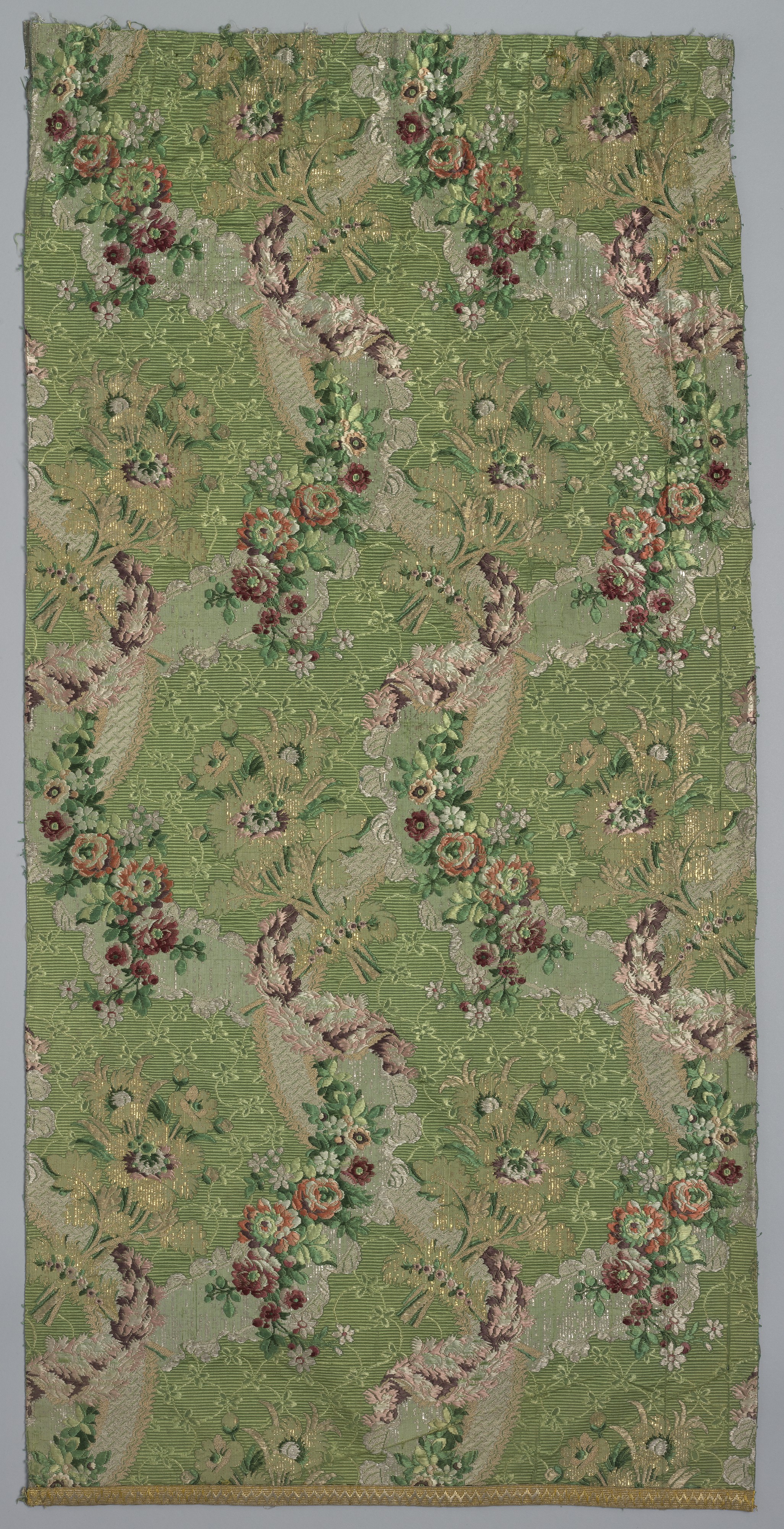
Classical elegance, in its purest sartorial sense, is an exercise in controlled verticality. It is achieved through a precise manipulation of length that guides the eye in an unbroken visual journey. This is not merely a matter of measurement, but of strategic line management. The heritage garment—be it an 18th-century French robe à la française with its trailing Watteau pleats or a Japanese jūnihitoe with its layered, ground-skimming proportions—understands length as a tool for both monumentality and grace. The silk, with its inherent tensile strength and luminous fall, creates the primary plane. The metal thread, historically used in passementerie, military regalia, and ecclesiastical vestments, introduces a narrative of contrast and reinforcement. It does not merely decorate; it traces structural pathways, highlighting seams, reinforcing hems, and creating a subtle, light-capturing skeleton that both defines and contradicts the softness of the silk. This creates a dynamic tension: the silk desires to flow and collapse, while the metal thread seeks to delineate and hold. The classical masterpiece masters this tension, allowing the metal to serve the silk's ultimate purpose—an uninterrupted, majestic line.
Material Dialectic: Silk and Metal Thread as a Prototyping Medium for 2026
The 2026 silhouette, as informed by this archaeological reading, will engage in a conscious dialectical material practice. Silk and metal thread cease to be merely luxurious commodities and become active agents in silhouette formation. We anticipate a move from embroidery to integration, where metal thread is engineered into the very weave of the silk substrate, or used as a structural warp in specialized jacquards. This creates fabrics with variable zones of rigidity and fluidity, allowing a single garment to exhibit both architectural columnar form and sudden, liquid dispersal.
This material intelligence directly informs key 2026 silhouette strategies. First, the Animated Column: a floor-length sheath appears classically severe until movement engages the integrated metal threads, causing specific panels to stiffen momentarily or ripple with a metallic wave, creating a living, reactive silhouette. Second, the Deconstructed Traine: length is fractured, with metal-thread-reinforced silk forming a rigid, sculptural bustle or hip extension that projects horizontally, while the main body of the gown in pure matte silk falls in a soft, vertical counterpoint. Here, length is not one continuous line but a conversation between perpendicular forces. Third, the Kinetic Cage: fine filigrees of metal thread, soldered or woven into minimal armatures, are applied over fluid silk layers. They create an exoskeleton that defines a elongated shape—a narrow torso, an exaggerated sleeve line—while the silk beneath moves independently, offering glimpses of softness against the hard, luminous line.
Silhouette Projections: The 2026 Elongated Syntax
Informed by this deconstructed heritage and advanced materiality, the 2026 Natalie Atelier silhouette lexicon will be characterized by three core principles.
1. Programmed Drape: Length will no longer imply a uniform fall. Using silk weighted with microscopic metal particulate or interspersed with memory-retentive metal threads, drape can be pre-determined. A gown may cling vertically through the torso and then, at a precise point, cascade into a chaotic, glittering pool at the feet—a modern interpretation of the classical robe volante, where the release of form is computationally designed into the fabric itself.
2. Luminescent Structure: The metal thread's role shifts from accent to primary structural component. Seamless, elongated dresses may derive their entire A-line or trumpet shape from a web of nearly invisible, light-conductive metal threads laminated between layers of organza, creating a silhouette that appears to be drawn in light. The silhouette is literally written in luminescence.
3. Asynchronous Proportion: Global heritage teaches that length interacts differently with various body zones. The 2026 silhouette will exploit this by using rigid, metal-thread-brocaded panels to extend the shoulder line into sharp, elongated epaulettes or to create a long, slim panel from collar to hem on one side only, while the other side remains soft and unstructured. This creates a dialogue between historical notions of symmetrical grandeur and a contemporary, dissonant elegance.
In conclusion, the isolated study of length across global heritage, through the specific lens of silk and metal thread, reveals a profound truth: elegance is a calculated negotiation between flow and fixity. For 2026, Natalie Fashion Atelier will not reproduce the past but will disassemble its core principles. By treating silk as the fluid continuum and metal thread as the defining, structural syntax, we will engineer a new generation of elongated silhouettes. They will possess the memory of classical grandeur but express it through a dynamic, intelligent, and profoundly contemporary material language, where the silhouette is not a static shape but a performing artifact of its own luxurious construction.