Deconstructing the Classical: The Stucco Fragment as a Blueprint for 2026 Silhouettes
Materiality and the Archaeology of Surface
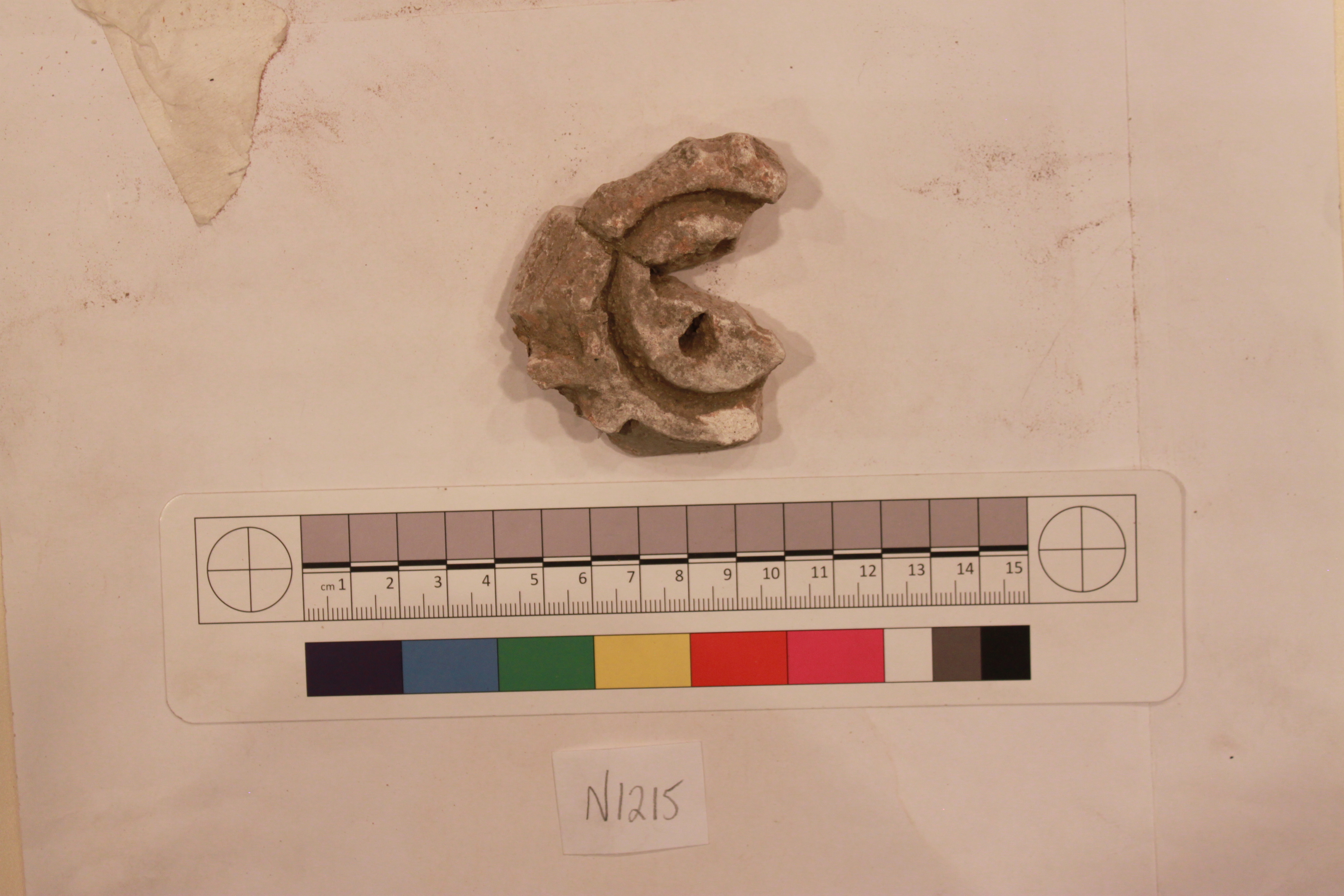
The isolated stucco fragment, a remnant of a once-integral architectural or sculptural whole, presents a profound paradox for the haute couture atelier. Its materiality—carved and painted stucco—is a testament to a process of additive construction and subtractive refinement. The stucco itself, a composite of lime, sand, and marble dust, is inherently malleable yet, once set, possesses a brittle, unforgiving finality. This duality is the foundation of our aesthetic archaeology. The carved element speaks to the deliberate removal of material to reveal form, a technique that directly parallels the couture practice of draping and moulage, where fabric is pinned, tucked, and clipped to create a three-dimensional architecture on the body. The painted surface, often polychrome in its original context, introduces a layer of illusion and narrative, a superficial skin that both conceals and celebrates the underlying structure.
For the 2026 silhouette, this translates into a rigorous interrogation of surface and volume. The stucco fragment’s weathered edges and fractured planes are not flaws but design features. They inform a new aesthetic of controlled imperfection. We are not seeking a pristine, neoclassical finish. Instead, we are extracting the tactile memory of the material—the way light catches a carved fold, the subtle shadow of a painted line. This demands a fabric vocabulary that mimics stucco’s paradox: fabrics that are simultaneously structured and soft, such as a double-faced wool crepe bonded with a liquid silicone membrane, or a silk gazar treated with a micro-crystalline finish to simulate the matte, porous quality of aged plaster. The silhouette becomes a sculptural shell, a second skin that is both protective and revealing, echoing the fragment’s role as a protective and decorative element in its original architectural context.
From Fragment to Form: The 2026 Silhouette Architecture
The classical elegance of the stucco fragment is not found in symmetry or proportion, but in the tension between the whole and the part. The fragment is a synecdoche, a part that stands for a lost whole. This principle is the core of our 2026 design philosophy. The silhouette is no longer a continuous, unbroken line. It is fractured, layered, and reassembled.
The Carved Line: Draping as Subtraction
Just as the stucco carver removed material to define a figure, the couture draper must subtract fabric to define the body. The 2026 silhouette will feature asymmetrical, deep-cut armholes that mimic the negative space left by a missing limb or a broken drape in the stucco. The shoulder line will be redefined as a cantilevered plane, a sharp, angular projection reminiscent of a cornice fragment. This is achieved through internal boning and architectural seam construction, not padding. The fabric itself becomes the structural element, held in tension by precisely calculated grain lines. The waist is not cinched but implied through a series of overlapping, carved panels that create a visual void, a negative space that suggests the form beneath without direct contact. This is a silhouette of controlled release, where the body is both the subject and the object of the garment’s architecture.
The Painted Surface: Chromatic Stratigraphy
The painted surface of the stucco fragment is a stratigraphy of color. The original polychrome has faded, cracked, and been overpainted by time, creating a complex, layered palette. This is not a simple restoration of a single hue. For 2026, we are translating this into a chromatic narrative of the garment. A gown might begin with a base of raw, unbleached linen (the stucco substrate), overlaid with a translucent, hand-painted silk organza that mimics the original pigment. The color is then abraded, distressed, and selectively removed through a process of laser etching and hand-sanding, revealing the underlying layers. The effect is a living color that shifts with movement and light, a direct homage to the fragment’s aged surface. The palette itself draws from archaeological pigments: Pompeian red, Egyptian blue, ochre, and verdigris, all muted and desaturated by time, creating a sophisticated, melancholic elegance.
Structural Integrity and the Art of the Fragment
The stucco fragment’s structural integrity is a matter of balance. It is a broken piece, yet it holds its own internal logic. This informs our approach to seam construction and closure. The 2026 silhouette will reject conventional zippers and buttons in favor of invisible, magnetic closures and interlocking fabric tabs that mimic the way a fragment fits into a larger puzzle. The seams themselves become decorative elements, not hidden. They are exposed, raw-edged, and reinforced with a contrasting stitch, much like the visible repair lines on an ancient artifact. This is a celebration of the process of construction, a deliberate display of the garment’s archaeology.
The Silhouette of the Broken Column
Perhaps the most direct translation is the silhouette of the broken column. A fluted column, even in its fragmented state, retains its vertical power. For 2026, we are introducing a columnar gown that is not a straight tube but a series of vertical, overlapping panels, each slightly offset, creating a fluted, broken rhythm. The hem is not a clean line but a fractured, asymmetrical edge, as if the garment has been sheared by time. The fabric is a heavy, double-faced satin that holds its own shape, allowing the garment to stand away from the body in places, creating a negative space that echoes the missing portions of the stucco. This is not a dress that clings; it is a dress that encloses and protects, a wearable architectural fragment.
Conclusion: The Fragment as Future
The stucco fragment, in its isolated, broken state, offers a more potent design language than any pristine, complete artifact. It speaks of loss, memory, and the passage of time. For the 2026 Natalie Fashion Atelier collection, this translates into a silhouette that is deliberately incomplete, intentionally fractured, and profoundly elegant. It is a silhouette that respects the classical principles of proportion and structure while simultaneously deconstructing them to create a new, modern form. The garment is not a finished object; it is a fragment of a larger narrative, a piece of aesthetic archaeology that the wearer completes. This is the future of haute couture: not a return to the past, but a recontextualization of its most powerful remnants.