Deconstructing the Espada: Aesthetic Archaeology for 2026 Haute Couture
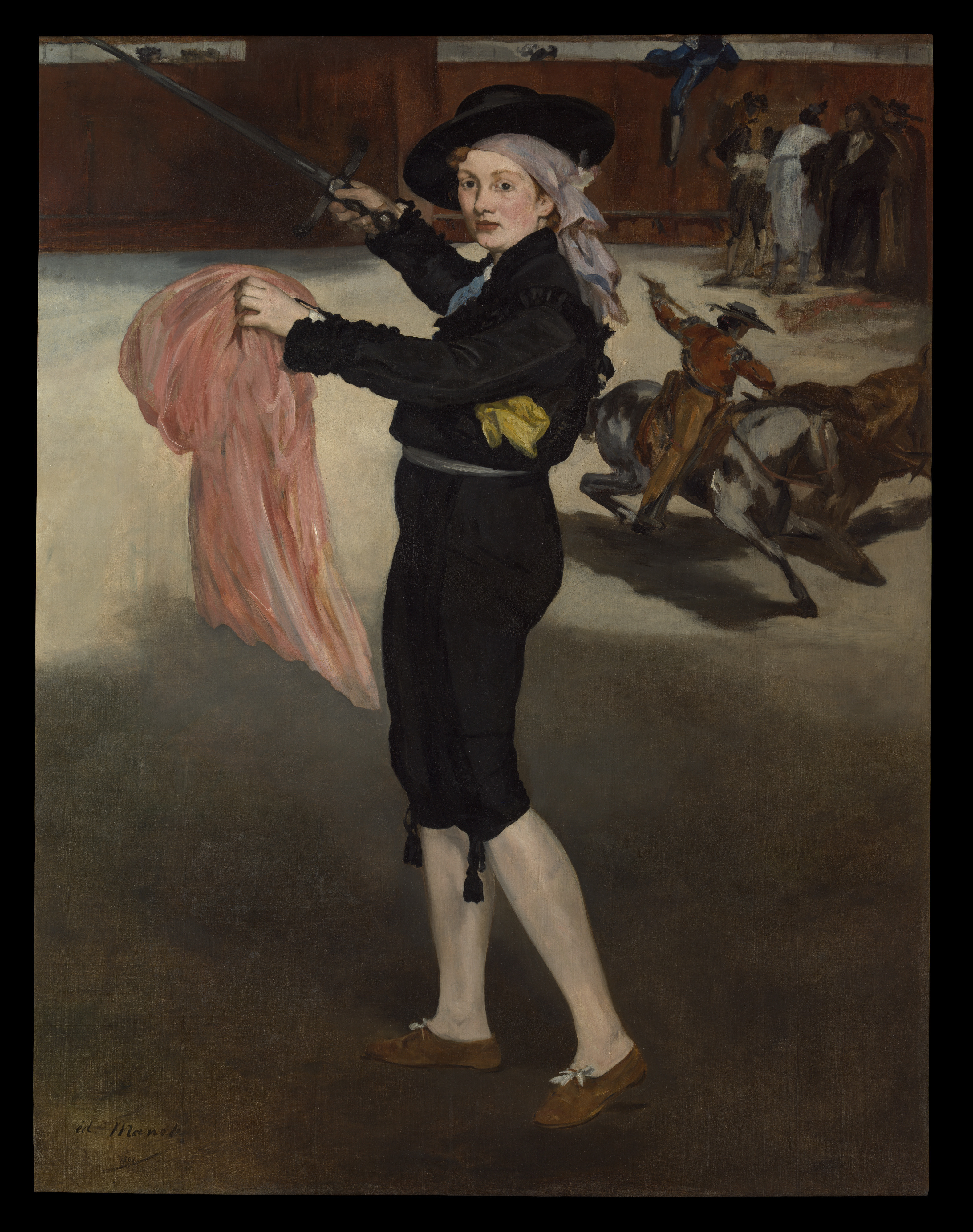
The isolated artifact before us—Mademoiselle V. . . in the Costume of an Espada—exists as a singular node of aesthetic archaeology. Painted in oil on canvas, this depiction of a woman in the ceremonial attire of a Spanish bullfighter transcends mere portraiture. It is a frozen moment of radical sartorial transgression, where the rigid codes of 19th-century femininity are deliberately fractured by the insertion of a hyper-masculine, ritualistic uniform. For the 2026 haute couture season, this painting offers a profound lexicon. It is not a costume to be copied, but a structural and psychological blueprint for a new silhouette—one that marries the architectural severity of the torero with the fluid sensuality of the female form. Our deconstruction focuses on three core material and conceptual pillars: the compression of the torso, the theatrical expansion of the shoulder, and the textural paradox of light versus weight.
I. The Carapace Corset: Compressed Structure as Armor
The most immediate technical challenge presented by the Espada costume is the traje de luces (suit of lights) itself. In the painting, the jacket is a second skin of silk and metallic thread, buttoned to the throat, creating a rigid, unyielding carapace. For 2026, we translate this not as a literal jacket, but as a structural corset that redefines the torso’s geometry. The oil-on-canvas texture informs our material choice: a double-faced satin gazar, stiffened with a micro-crystalline resin that mimics the paint’s glossy, impenetrable surface.
The silhouette is achieved through a series of asymmetric, interlocking panels that begin at the left shoulder and spiral down to the right hip. This is not a Victorian hourglass; it is a modernist cuirass. The compression is deliberate, creating a flat, almost architectural front plane, while the back remains fluid, allowing for movement. The “montera” (the traditional hat) inspires a high, sculpted collar that extends into a shoulder plate, echoing the painting’s dramatic framing of the face. The key innovation for 2026 is the negative space—a single, precise cutout at the sternum, revealing a sliver of skin. This is the aesthetic archaeology of vulnerability within the armored form, a direct reference to the painting’s tension between the subject’s femininity and her martial costume.
II. The Epaulet of Defiance: Shoulder as Architectural Pedestal
In the painting, the Espada’s shoulders are not merely covered; they are extended, padded, and gilded. They create a horizontal line that visually enlarges the figure, imbuing her with a sense of territorial command. This is the epaulet of defiance. For 2026, we deconstruct this into a detachable, sculptural shoulder piece that functions as an independent object d’art.
The materiality of oil on canvas guides the construction. We employ a hand-molded, heat-set organza that is pleated and folded into a series of sharp, overlapping planes, resembling the brushstrokes of the original painting. This piece is not sewn into the garment; it is attached via a system of concealed magnetic clasps, allowing the wearer to transform the silhouette from a sharp, angular profile to a softer, rounded one. The shoulder’s edge is finished with a micro-pleated tulle that catches light like the metallic embroidery in the painting, creating a halo of shimmering texture. This architectural shoulder is the primary vector of power in the 2026 silhouette, a direct quotation of the Espada’s psychological armor.
III. The Drape of the Capote: Fluid Weight and Controlled Chaos
Contrasting the rigid torso and shoulders is the capote de brega—the heavy, magenta-and-gold cape used in the bullring. In the painting, this fabric is rendered with thick, impasto strokes, suggesting both weight and fluidity. For 2026, this becomes a train or a dramatic back panel that is deliberately asymmetric and weighted.
We achieve this through a double-layered construction. The outer layer is a liquid silk charmeuse, dyed in a deep, blood-ruby tone (a direct pigment extraction from the painting’s palette). The inner layer is a hand-embroidered metallic mesh, weighted with small, polished brass beads that mimic the gold thread of the original. The drape is not random; it is engineered to fall in a specific, controlled spiral from the right shoulder, cascading down the back and pooling on the floor. This creates a mobile sculpture that moves with the wearer, its heavy hemline creating a constant, rhythmic sound—a whisper of the bullring’s dust and drama. The aesthetic archaeology here is the translation of painterly texture into kinetic fabric, where the weight of the oil paint becomes the weight of the silk.
IV. The Palette of Light: Chromatic Architecture
The oil-on-canvas medium dictates a specific chromatic logic. The Espada’s costume is not merely gold; it is a layered, luminous spectrum of ochre, amber, and burnished bronze, set against the stark black of the trousers and the deep crimson of the cape. For 2026, we reject flat color in favor of chromatic architecture.
The primary silhouette is constructed in black double-faced wool crepe, but the light is introduced through strategically placed panels of hand-painted silk. These panels are not printed; they are painted by artisans using a technique of layered, translucent pigments that mimic the oil-on-canvas glazing. The colors are not solid; they shift from deep aubergine to a pale, dusty rose, mirroring the way light plays across the painted surface. The “puntilla” (the decorative trim) is reimagined as a micro-embroidery of gold and silver Lurex thread, stitched in a pattern that echoes the brushstrokes of the original. This is not decoration; it is structural light, a direct material translation of the painting’s luminous quality.
V. The Silhouette of the Future: A Synthesis of Rigor and Release
The final 2026 silhouette, informed by Mademoiselle V. . . in the Costume of an Espada, is a study in controlled tension. The upper body is a compressed, architectural carapace, with a sculpted shoulder and a high, armored collar. The waist is defined not by cinching, but by a geometric, cut-out panel that creates the illusion of a smaller waist through negative space. The lower body is a fluid, weighted column of fabric, often a single, sweeping panel that falls from the hip to the floor, with a dramatic train that echoes the capote.
This is not a costume. It is a psychological construction. The wearer is not a bullfighter; she is a woman who has adopted the armor of a warrior to navigate the modern arena. The aesthetic archaeology of the painting reveals a blueprint for a new kind of power dressing—one that is rigid yet fluid, armored yet vulnerable, historical yet utterly contemporary. The 2026 silhouette is a living artifact, a testament to the enduring power of a single, isolated image to reshape the very structure of luxury.