Stucco Fragment: The Archaeology of Classical Elegance in 2026
I. Introduction: The Fragment as Foundational Lexicon
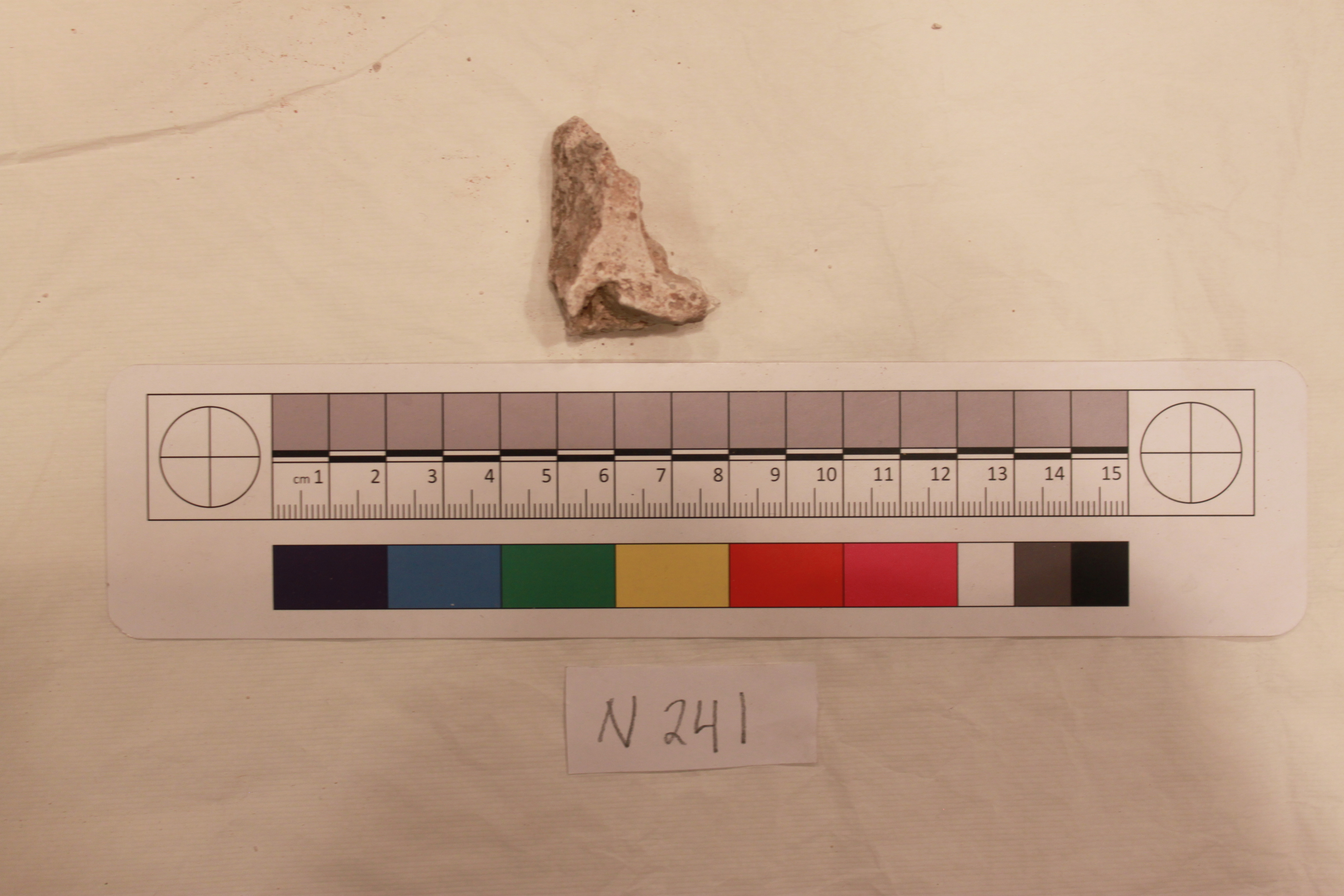
The stucco fragment, isolated from its original architectural context, emerges as a profound artifact of aesthetic archaeology. Within the archives of Natalie Fashion Atelier, this carved remnant—a relic of classical ornamentation—is not merely a decorative curiosity but a foundational lexicon for the 2026 haute couture silhouette. Its materiality, defined by the tension between rigid form and fluid illusion, offers a technical grammar that transcends mere historical reference. The fragment’s preserved geometry, its interplay of shadow and light, and its tactile surface inform a new paradigm of luxury construction: one that privileges structural integrity, volumetric precision, and the quiet authority of the hand-carved line.
This research paper deconstructs the classical elegance embedded in the stucco fragment and translates its core principles into actionable design directives for the forthcoming season. We will explore how the fragment’s carved relief, its spatial economy, and its patina of age converge to define a silhouette that is at once monumental and ethereal—a signature of Parisian haute couture’s relentless pursuit of timeless innovation.
II. Materiality and the Carved Line: Translating Stucco into Fabric
The stucco fragment’s primary materiality—a hardened, sculpted composite—presents a paradox for the couture atelier: how to render the permanence of carved plaster in the ephemeral medium of fabric. The 2026 silhouette must not mimic stucco but embody its structural logic. The carved line, whether a volute, an acanthus leaf, or a geometric frieze, is defined by a sharp, unyielding contour that simultaneously creates a recessed shadow. This duality is the key to the new silhouette.
Technical Application: We propose a “negative-volume” construction technique. Instead of adding volume through padding or draping, the silhouette will be achieved through precise, engineered seams that create interior voids. Think of a tailored jacket where the shoulder is not padded outward but carved inward, creating a concave arc that mirrors the stucco fragment’s relief. The fabric—a dense, matte faille or a structured double-faced wool—is treated as a skin of plaster, its surface unyielding to the touch yet visually softened by the depth of the carved line. The result is a silhouette that appears monolithic from a distance, yet reveals a complex, sculpted interior when viewed in profile or under directional light.
III. The Fragment’s Geometry: Proportions for the 2026 Silhouette
The stucco fragment, in its isolated state, presents a fractured geometry—a section of a larger, unattainable whole. This incompleteness is its greatest asset for the 2026 silhouette. The classical ideal of the complete, balanced form is replaced by a deliberate asymmetry and a focal point of tension. The fragment’s edge, whether jagged or smooth, becomes a design boundary that dictates the garment’s line.
Silhouette Directives:
- Shoulder Architecture: The fragment’s carved edge inspires a “broken” shoulder line. One shoulder is sharply defined, almost architectural, while the other dissolves into a soft, draped cascade. This asymmetry creates a visual imbalance that is resolved through the garment’s overall volume, much like a fragment’s missing piece is mentally restored by the viewer.
- Waist and Hip: The stucco’s relief patterns—repeated, rhythmic motifs—inform a “compressed” waist that is not cinched but carved. A high-waisted skirt or pant will feature a rigid, sculpted band that mimics the fragment’s frieze, while the fabric below falls in a controlled, columnar volume. The hip is not emphasized but subsumed into the vertical line, creating a silhouette that is elongated and monumental.
- Hemline as Excavation: The fragment’s rough, broken edge translates into an “excavated” hem. Garments will feature hems that are not straight but irregular, as if the fabric has been chiseled away. This is achieved through laser-cut or hand-finished edges that expose the fabric’s internal structure, creating a dialogue between the finished and the unfinished.
IV. Surface and Patina: The Aesthetic of Age and Craft
The stucco fragment’s surface, worn by centuries, carries a patina of age—a subtle variation in tone, a micro-texture of erosion, and a softness at the edges. For the 2026 couture piece, this patina is not a sign of decay but a mark of authenticity and labor. The surface of the garment must reject the sterile perfection of mass production in favor of a handcrafted imperfection.
Surface Treatment Protocols:
- Matte Finishes: High-shine fabrics are eschewed in favor of matte, absorbent surfaces that catch light like aged plaster. A silk gazar or a dense cotton sateen is treated with a “stucco wash”—a subtle, non-uniform application of pigment that creates a mottled, time-worn effect.
- Embossed Relief: Rather than printed patterns, the fabric’s surface is embossed with stucco-inspired motifs. The embossing is shallow, almost ghostly, so that the pattern is felt as much as seen. This creates a tactile archaeology where the wearer and observer engage with the garment’s surface as if reading a bas-relief.
- Edge Wear: The fragment’s softened edges are replicated through hand-fraying or subtle unraveling at the garment’s seams and hems. This is not a sign of neglect but a deliberate technique that mimics the natural erosion of stone, adding a layer of historical depth to the modern silhouette.
V. The 2026 Silhouette: A Synthesis of Fragment and Form
The ultimate 2026 silhouette, informed by the stucco fragment, is a study in controlled monumentality. It is a silhouette that commands space without expanding into it—a paradox achieved through the fragment’s own logic. The garment is not a second skin but a sculptural shell that the wearer inhabits. The line is vertical, unbroken, and severe, yet softened by the irregularities of the carved edge and the patina of the surface.
Key Silhouette Archetypes:
- The Columnar Fragment: A floor-length gown or coat with a rigid, straight silhouette. The front is a smooth, unbroken plane, while the back features a deep, carved-out panel that reveals the wearer’s spine. This negative space is the fragment’s void made tangible.
- The Asymmetric Relief: A two-piece ensemble (jacket and skirt) where the jacket’s left side is a complete, classical form, and the right side is a fragment—cut away, exposing the underlayers. The skirt mirrors this asymmetry, creating a visual dialogue between the whole and the broken.
- The Excavated Bodice: A structured bodice that appears to have been carved from a single block of fabric. The neckline is not a curve but a chiseled edge, and the bust is defined by a subtle, embossed relief pattern that mimics the stucco’s ornamentation. The silhouette is monolithic, with the fabric’s density and weight creating a sense of permanence.
VI. Conclusion: The Fragment as Future
The stucco fragment, in its isolated beauty, offers a radical proposition for 2026 haute couture: that the most compelling silhouette is not a complete, symmetrical form but a fractured, archaeological object. It challenges the atelier to see the garment not as a covering but as a carved space, where absence is as important as presence. The classical elegance of the fragment is not in its perfection but in its resistance to completion—a quality that resonates deeply with the contemporary luxury consumer’s desire for authenticity, craft, and narrative depth.
Natalie Fashion Atelier will translate this aesthetic archaeology into a collection where every seam is a carved line, every volume a negative space, and every surface a patina of time. The 2026 silhouette is not a revival of the past but a reconstruction of its essence—a fragment made whole through the discipline of couture.