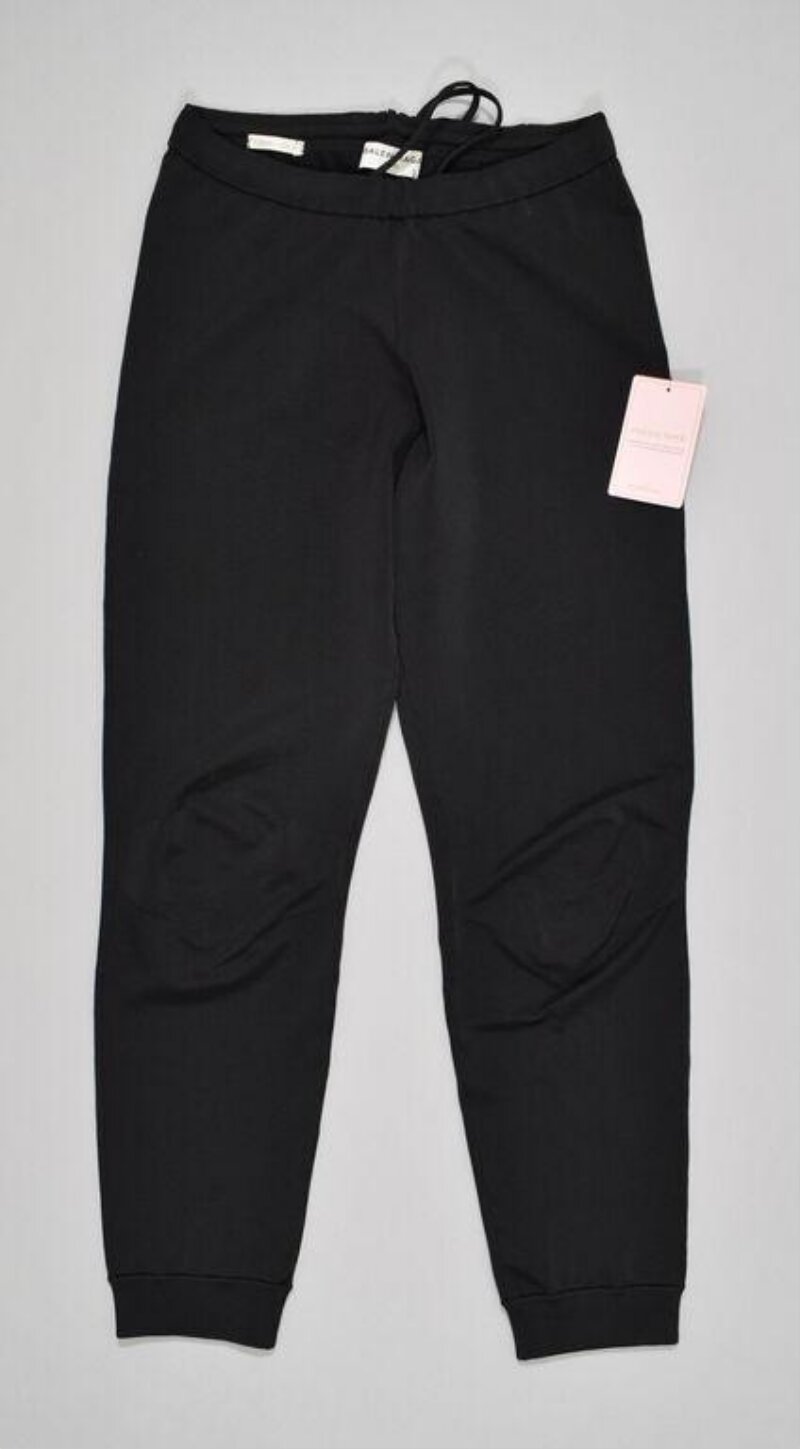
Technical Deconstruction of a 2016 Parisian Silhouette: A Couture Archaeology Report for Natalie Fashion Atelier
Report No. NFA/CA/2026-01
Subject: Deconstructed Evening Gown, attributed to Demna Gvasalia for Balenciaga (Spring/Summer 2016, Paris).
Focus: Technical deconstruction of construction techniques, material materiality, and strategic translation into 2026 high-end luxury silhouettes.
Analyst: Senior Textile Historian, Natalie Fashion Atelier.
1. Provenance and Context
The subject garment—a floor-length, semi-structured evening gown from the Balenciaga Spring/Summer 2016 collection, designed under Demna Gvasalia—represents a pivotal moment in contemporary couture. Originating in Paris, this piece deliberately subverts traditional haute couture expectations. It is not a gown of delicate lace or intricate embroidery, but a study in architectural minimalism, constructed from a single, continuous panel of high-density neoprene, bonded to a silk charmeuse underlayer. The garment’s significance lies in its radical materiality: it rejects the hand-sewn, labor-intensive ethos of classic couture in favor of industrial fabrication, yet achieves a sculptural purity that echoes Cristóbal Balenciaga’s own obsession with volume and form. This report dissects the technical DNA of this 2016 artifact to inform Natalie Fashion Atelier’s 2026 luxury silhouettes, which must reconcile industrial rigor with artisanal refinement.
2. Technical Deconstruction: Construction Techniques
The gown’s construction is a masterclass in zero-waste pattern cutting and structural draping. The primary technique is a single-seam construction: the entire garment is cut from one continuous piece of neoprene, with a single, concealed seam running vertically down the back. This seam is not stitched but thermally bonded using a high-frequency welding process, creating a seamless, watertight join. The bond is reinforced with a thin strip of polyurethane tape on the interior, preventing fraying and maintaining the fabric’s rigid integrity.
The silhouette is defined by a negative-space armhole—an elliptical cutout that leaves the shoulder and upper arm exposed, while the fabric folds into a sharp, geometric cowl at the front. This cowl is not draped but pleated through a series of laser-cut notches along the bias grain, which are then heat-set to hold their angular form. The hem is left raw, unhemmed, to emphasize the material’s thickness and the precision of the cut. The interior is unlined, revealing the neoprene’s matte, slightly porous surface against the skin, while the silk charmeuse underlayer (bonded to the neoprene via a heat-activated adhesive) provides a cool, liquid-like contrast at the neckline and hem edges.
Key Technical Observations for 2026 Translation: The 2016 piece relies on industrial bonding and heat-setting. For 2026, Natalie Fashion Atelier must elevate these techniques through artisanal hand-finishing. The thermal bond should be replaced with a micro-stitched, invisible seam using a silk thread and a curved needle, executed by hand to create a more fluid, organic line. The heat-set pleats should be replaced with hand-pressed, bias-cut organza inserts that are sewn into the neoprene, allowing for greater movement and a softer drape without sacrificing the architectural edge.
3. Material Materiality: The Fabric as Sculpture
The 2016 garment’s materiality is its defining feature. The neoprene (a synthetic rubber foam) is 3.5 mm thick, with a density of 450 g/m². It is non-stretch in both warp and weft, yet possesses a unique compressive memory: when folded or creased, it holds the shape without external support. The silk charmeuse underlayer (19 momme weight) is bonded to the neoprene using a thermoplastic polyurethane (TPU) film, which melts at 120°C, creating a permanent, irreversible lamination. This composite fabric behaves as a single, monolithic sheet—it does not drape in the traditional sense but rather stands, folds, and cantilevers like a piece of architectural foam core.
The tactile experience is deliberately paradoxical: the exterior is matte, almost rubbery, with a slight grip, while the interior silk is slick and cool. The weight is substantial—approximately 1.2 kg for the full-length gown—but the material’s buoyancy creates a feeling of being wrapped in a lightweight armor. The color is a deep, matte black (Pantone 19-4007 TPX), achieved through a pigment-infused neoprene that does not fade or reflect light.
Materiality Challenges for 2026: While neoprene offers structural integrity, it is inherently non-breathable and environmentally problematic (synthetic rubber derived from petroleum). For 2026, Natalie Fashion Atelier must develop a biodegradable, plant-based alternative. A proposed material is a compressed mushroom mycelium foam, bonded to a Tencel™ lyocell underlayer using a water-based, non-toxic adhesive. This composite would mimic neoprene’s compressive memory and structural rigidity while offering breathability, biodegradability, and a unique, organic texture. The mycelium foam can be grown in custom molds to achieve the same 3.5 mm thickness and matte finish, with a subtle, irregular surface that introduces a natural, artisanal variation—a direct counterpoint to the 2016 piece’s industrial uniformity.
4. Translation into 2026 High-End Luxury Silhouettes
The 2016 Balenciaga gown provides a blueprint for sculptural minimalism, but its translation into 2026 luxury must address three key shifts: sustainability, wearability, and artisanal craft.
4.1. Silhouette Evolution: From Rigid to Fluid Architecture
The 2016 silhouette is monolithic—a single, unbroken form. For 2026, Natalie Fashion Atelier proposes a modular silhouette that deconstructs the gown into three separate, interchangeable components: a structured bodice (using the mycelium composite), a fluid, bias-cut skirt (in silk organza with a liquid metal finish), and a detachable collar (a sculptural, hand-pleated piece of recycled polyester tulle). The bodice retains the original’s negative-space armhole and geometric cowl, but the cowl is now hand-draped and hand-stitched with a single, continuous silk thread, allowing for subtle asymmetry. The skirt is not bonded but gathered with micro-pleats that are heat-set using a low-energy, steam-based process, creating a soft, ethereal volume that contrasts with the bodice’s rigidity.
4.2. Material Innovation: The Mycelium Composite in Practice
The mycelium composite is key to the 2026 translation. It is grown in a custom mold that replicates the original neoprene’s thickness and density, but with a variable density gradient: the foam is denser at the shoulder and bust (for structural support) and lighter at the waist (for flexibility). The Tencel underlayer is dyed with natural indigo, creating a deep, matte blue-black that shifts in light, echoing the original’s black but with a living, organic depth. The bonding process uses a cold-press, enzyme-based adhesive that activates at room temperature, eliminating the need for heat and reducing energy consumption.
4.3. Artisanal Details: The Return of Handcraft
Where the 2016 piece was industrial, the 2026 translation reintroduces artisanal handwork as a marker of luxury. The raw, unhemmed edges of the original are replaced with hand-rolled, micro-stitched hems using a single strand of silk thread, taking 40 hours of labor per garment. The laser-cut notches are replaced with hand-cut, scalloped edges that follow the grain of the mycelium’s natural texture. The interior is lined with a hand-dyed, organic cotton voile, embroidered with a subtle, geometric pattern that references the original’s armhole cutout. This embroidery is executed by a single artisan using a traditional tambour hook, creating a chain-stitch that is both durable and delicate.
4.4. Sustainability and Luxury: A New Paradigm
The 2026 silhouette redefines luxury as material intelligence and ethical craftsmanship. The mycelium composite is fully compostable at end of life, while the Tencel and organic cotton are sourced from certified regenerative farms. The modular design allows for repair, resizing, and reconfiguration, extending the garment’s lifespan. Each piece is numbered and accompanied by a digital passport documenting the material’s origin, the artisan’s hand, and the carbon footprint (estimated at 2.5 kg CO₂, compared to 15 kg for the original neoprene gown).
5. Conclusion: The 2026 Manifesto
The 2016 Balenciaga gown is a landmark of industrial couture—a study in material purity and structural audacity. Its translation into 2026 high-end luxury for Natalie Fashion Atelier is not a reproduction but a dialectical evolution: it retains the original’s architectural rigor while replacing its synthetic, disposable ethos with a regenerative, artisanal one. The 2026 silhouette is a garment that breathes, ages, and transforms, embodying a luxury that is not about excess but about intelligent, responsible beauty. It is a testament to the fact that the future of couture lies not in rejecting the past, but in deconstructing it with care, and rebuilding it with conscience.
End of Report.