The Archive Unbound: Aesthetic Archaeology of the Russian Bag
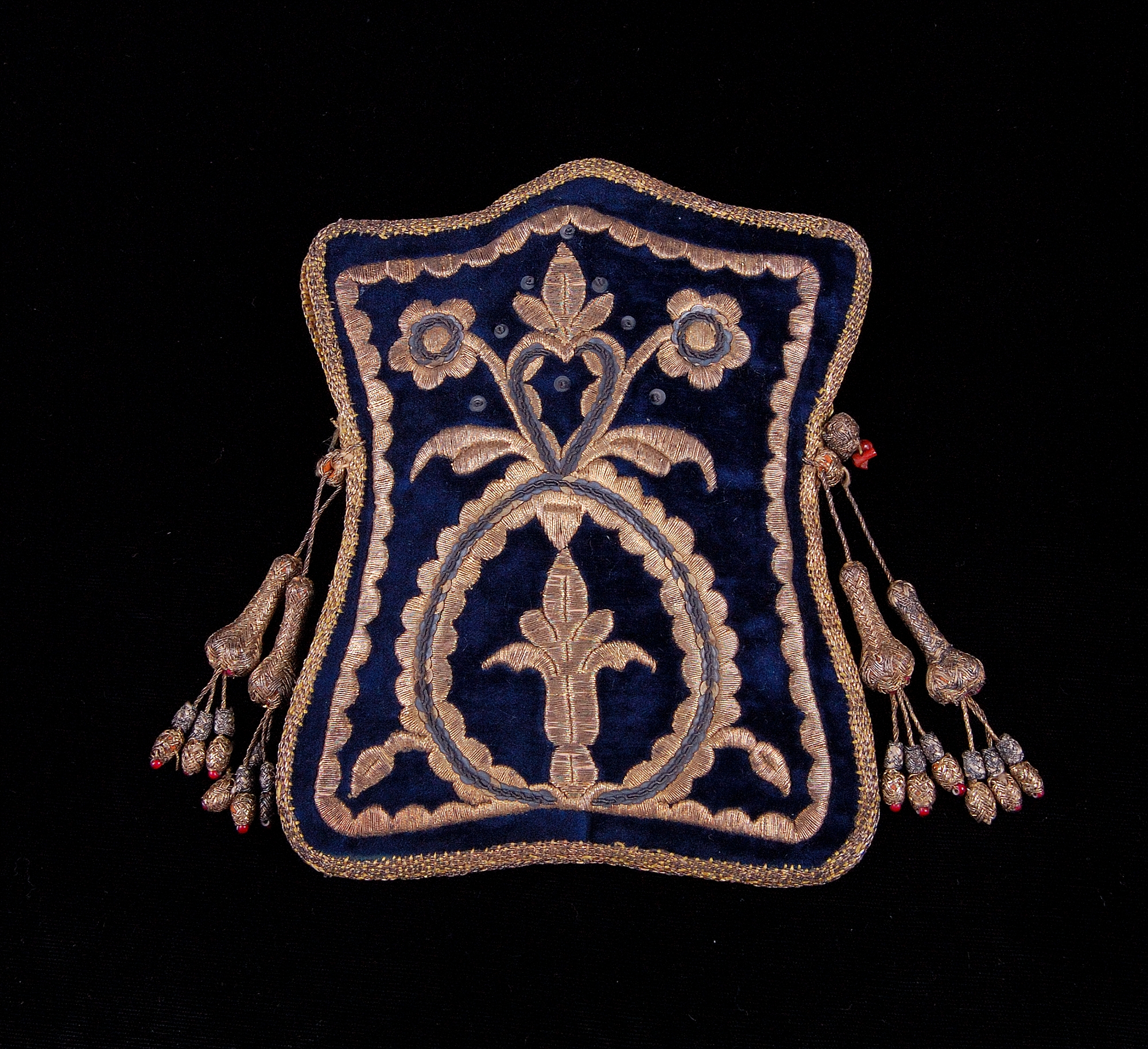
The atelier’s latest research artifact emerges from a period of deliberate isolation—a deep dive into the aesthetic archaeology of pre-Revolutionary Russian luxury. We have extracted a singular object from the archive: a late 19th-century mesh reticule, a bag that defies its own functional classification. Constructed from a paradoxical matrix of silk, metallic thread, cotton, and paper, this piece was not merely a vessel for personal effects but a coded statement of status, craftsmanship, and ephemeral beauty. For the 2026 Haute Couture collection, we propose a radical deconstruction of this classical elegance, translating its structural and textural DNA into a new lexicon of luxury silhouettes.
Materiality as Narrative: Deconstructing the Four-Part Matrix
The reticule’s genius lies in its deliberate material dissonance. The silk base, often a deep, bruised crimson or midnight blue, provides a fluid, almost liquid ground. Over this, metallic thread—silver or gold-plated copper—is worked into a rigid, cage-like structure. This is not embroidery; it is architectural armature. The cotton appears as a secondary, stabilizing lining, a humble counterpoint to the opulence. Finally, paper—often hand-painted or gilded—is inserted into the metallic lattice, creating a fragile, translucent membrane. This combination of rigid metal, liquid silk, humble cotton, and ephemeral paper creates a tension between permanence and decay, structure and fluidity.
For 2026, we isolate these four elements not as materials but as design principles. The silk becomes the silhouette’s drape—a soft, unstructured volume that moves with the body. The metallic thread is reimagined as structural boning—not hidden, but exposed, creating a visible exoskeleton that defines the bag’s architecture. The cotton is translated into negative space—a raw, unlined interior or a sheer, woven panel that reveals the bag’s inner workings. The paper becomes surface treatment—a lacquered, crackled finish or a hand-painted, ephemeral pattern that suggests age and artistry.
Silhouette Architecture: From Reticule to 2026 Sculpture
The classical reticule is a soft, rounded pouch, often gathered at the top with a drawstring. Its silhouette is one of controlled collapse—a form that is full when filled, limp when empty. Our 2026 interpretation inverts this logic. We propose a rigid, geometric exoskeleton that mimics the metallic cage, but constructed from polished brass or laser-cut steel. Inside this exoskeleton, a fluid silk pouch hangs freely, creating a dynamic interplay between hard and soft. The bag’s shape is no longer determined by its contents but by its internal structure.
This leads to three distinct silhouette families for the 2026 collection:
1. The Architectural Clutch: A trapezoidal form with a rigid metallic frame. The silk interior is visible through a cut-out pattern inspired by the paper inserts. The cotton lining is left raw, exposed at the edges, creating a deliberate, unfinished aesthetic. The metallic thread is transformed into a chain handle, but the chain is oversized, each link a miniature sculpture.
2. The Ephemeral Tote: A large, soft volume of liquid silk, but constrained by a network of metallic straps that act as external boning. The bag appears to be in a state of controlled tension, as if the silk is trying to escape the metallic cage. The cotton is used as a secondary, contrasting panel on the interior, visible when the bag is open. The paper element is reinterpreted as a hand-painted, lacquered finish on the metallic straps, creating a crackled, aged effect.
3. The Structural Bucket: A cylindrical form with a rigid metallic base and a soft, gathered silk top. The metallic thread is used to create a woven, cage-like body, with the silk visible through the gaps. The cotton appears as a thick, padded lining, visible at the top edge. The paper is inserted as a decorative, translucent panel on the interior, visible only when the bag is open.
Technique and Craft: The Atelier’s Response
The translation of this archival piece into 2026 haute couture requires a re-engineering of traditional techniques. The metallic thread is no longer embroidered but woven into a three-dimensional structure using a custom loom. The silk is treated with a resin to give it a slight stiffness, allowing it to hold its shape within the metallic cage. The cotton is used in its raw, unbleached state, creating a deliberate contrast with the opulence of the silk and metal. The paper is not inserted but printed directly onto the silk using a heat-transfer technique, creating a permanent, translucent pattern.
The most significant innovation is the visible construction. In the classical reticule, the seams and structure were hidden. In our 2026 interpretation, the seams are exposed, the metal joints are visible, and the silk is attached to the frame with visible stitching. This is a deliberate act of aesthetic archaeology—laying bare the construction process, revealing the tension between materials, and celebrating the hand of the artisan.
Conclusion: The Ephemeral as Luxury
The Russian reticule, with its combination of silk, metallic thread, cotton, and paper, was a object of its time—a symbol of fleeting beauty and aristocratic privilege. For 2026, we have deconstructed this object not to replicate it but to extract its core principles: structural tension, material dissonance, and visible craftsmanship. The resulting silhouettes are not bags in the traditional sense but wearable sculptures that challenge the boundary between function and art. They are artifacts of a future archive, designed to be studied, deconstructed, and reimagined by the next generation of curators. This is the essence of Natalie Fashion Atelier’s approach: to honor the past by breaking it open, revealing its inner architecture, and building something new from its fragments.