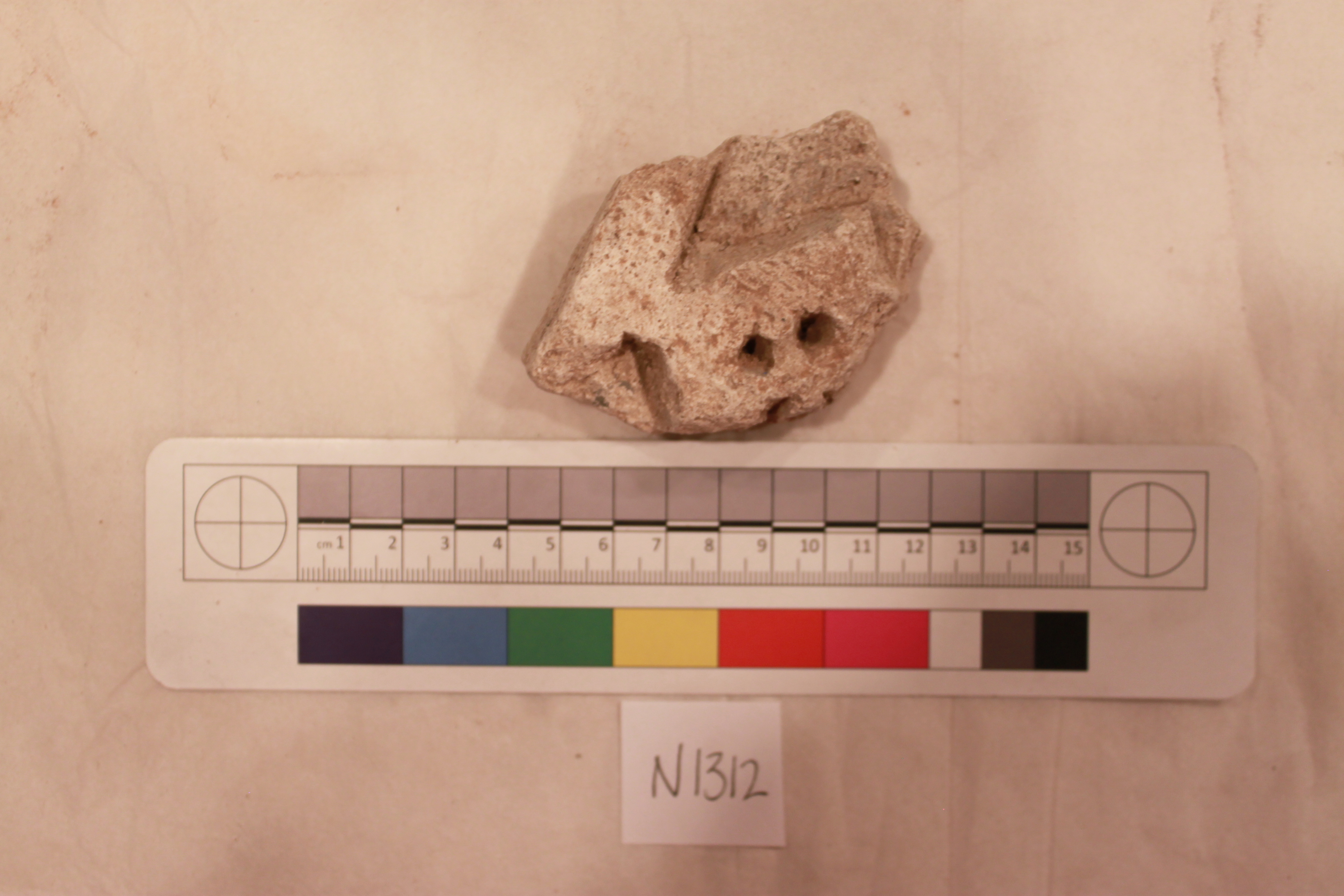
Stucco Fragment: The Architecture of Draped Volume
The isolated fragment of carved and painted stucco—a remnant of a classical frieze or architectural molding—presents a paradox of permanence and fragility. In its original context, it was a structural and decorative element, a mortar-based composite that could be shaped into crisp acanthus leaves, flowing ribbons, or the soft folds of a toga. For the 2026 haute couture silhouette, this fragment is not merely a reference to antiquity but a technical masterclass in negative space, rigid drapery, and the illusion of weightlessness. The stucco’s materiality—its ability to be both chiseled into sharp geometry and smoothed into organic curves—directly informs a new architectural approach to garment construction, where volume is carved rather than sewn.
Materiality as Method: The Mortar-Garment Analogy
Stucco, at its core, is a composite of lime, sand, and water, often finished with a painted surface. Its technical property is its plasticity during application and its rigidity after curing. This dual state is the foundational metaphor for the 2026 silhouette. The initial, wet application of stucco corresponds to the draping phase on the mannequin—a moment of pure, unscripted flow. The subsequent carving and painting represent the tailoring and finishing phase, where the fabric must be forced into permanent, sculptural folds. The fragment’s surviving paint—often a faded ochre, vermilion, or Egyptian blue—reminds us that color is not a surface treatment but an integral part of the structural narrative. For high-end silhouettes, this translates to pigmented, bonded fabrics that carry their own weight and hold a crease as if carved from a single block of material.
Deconstructing Classical Elegance: The Grammar of the Fold
The classical elegance of a stucco fragment is not found in its symmetry but in its controlled asymmetry. A surviving section of a cornice might show a perfect volute next to a chipped edge; a fragment of a frieze might preserve a single, deep fold of a goddess’s chiton. The 2026 silhouette must replicate this grammar of the fold through three specific technical interventions:
1. The Carved Silhouette: The stucco fragment’s profile—its thickness and the way it projects from a flat plane—informs the shoulder and hip architecture. Expect to see exaggerated, cantilevered shoulder pads that mimic the projecting cornice, constructed from bonded wool or resin-coated silk. These are not soft, rounded shapes but sharp, angular extrusions that create a distinct shadow line, exactly as a stucco molding casts a shadow onto the wall behind it.
2. The Painted Fold: The surviving pigment on the fragment is often found in the deepest recesses of the carving. This principle of color concentration in the negative space is critical. For 2026, this translates to intarsia and inlay techniques where darker, matte panels are inserted into the folds of a garment, creating a trompe-l’œil effect of depth. A dress might appear to have a single, continuous surface, but the folds are actually constructed from separate, color-graded panels that mimic the way paint settles into stucco crevices.
3. The Mortar Seam: The stucco fragment’s edges are never perfectly smooth; they show the impression of the trowel or the mold. In haute couture, this translates to a deliberate exposure of construction. Seams are not hidden but celebrated as structural lines, often reinforced with a stiff, plaster-like thread or a bonded seam tape that holds the fabric in a rigid, architectural pose. The silhouette becomes a series of connected, carved planes rather than a draped, flowing form.
From Fragment to Silhouette: The 2026 Technical Lexicon
The isolated stucco fragment, removed from its original architectural context, becomes a pure aesthetic object. Its value lies in its isolation, its lack of a complete narrative. This aesthetic archaeology is the driving force behind the 2026 silhouette: the garment as a fragment of a larger, imagined structure. The silhouette is not a complete, symmetrical form but a series of interlocking, carved volumes that suggest a missing whole.
Key Silhouette Archetypes:
The Cornice Jacket: A bolero or short jacket with a rigid, horizontal shoulder line that projects outward, exactly like a stucco cornice. The body of the jacket is carved into a single, continuous curve, with no visible darts or seams on the front. The back is left open, a deliberate negative space that reveals the lining, which is painted with a classical motif. The fabric is a double-faced wool bonded to a thin aluminum mesh, allowing the shoulder to hold its shape without internal boning.
The Frieze Gown: A floor-length column dress that mimics the continuous, low-relief narrative of a classical frieze. The fabric is a heavy, pigmented silk gazar that is cut on the bias but then heat-set into permanent, shallow folds. The folds are not gathered but carved, using a laser-cut pattern that creates a series of parallel, vertical ridges. The hem is left raw, frayed slightly to mimic the broken edge of a stucco fragment. The color is a single, saturated tone—a deep terracotta or a faded lapis—with the folds catching the light to create a subtle, monochromatic gradient.
The Volute Bodice: A structured, corseted bodice that features a single, dramatic spiral fold at the hip or shoulder, mimicking the volute of an Ionic capital. This is not a draped fold but a constructed, cantilevered element made from a resin-impregnated lace or a stiffened organza. The fold is painted on the underside with a contrasting color, visible only when the wearer moves. The rest of the bodice is a clean, minimalist shell, allowing the single, carved volute to act as the fragment’s focal point.
Conclusion: The Aesthetic Archaeology of the Future
The stucco fragment, in its isolated, weathered state, offers a profound lesson for 2026 haute couture: elegance is not in the completeness of the form but in the precision of the fragment. The 2026 silhouette must be carved, not draped; it must be painted, not printed; it must be constructed as a series of architectural volumes that suggest a missing, classical whole. The materiality of stucco—its plasticity, its rigidity, its ability to hold pigment in its deepest recesses—is the technical blueprint for a new, archaeological luxury. The garment is no longer a second skin but a fragment of a lost temple, worn as a testament to the enduring power of carved, painted, and isolated beauty. This is the essence of the Natalie Fashion Atelier vision for 2026: a silhouette that is at once ancient and futuristic, carved from the mortar of history and painted with the colors of tomorrow.