The Isolated Artifact: Silk as a Conduit of Atemporal Elegance
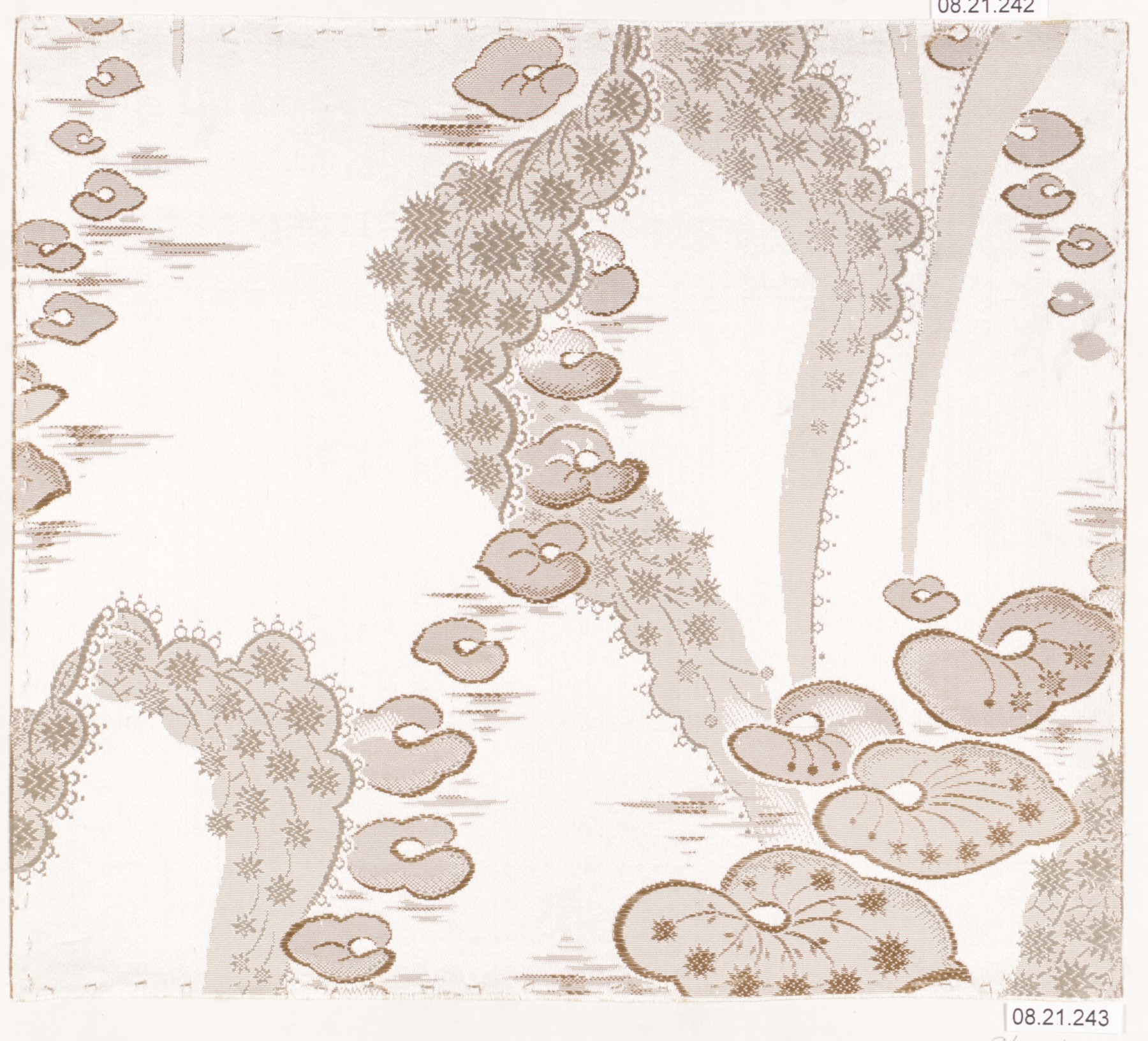
Within the hallowed archives of Natalie Fashion Atelier, a single textile sample—a fragment of raw, un-dyed silk—resides in a state of aesthetic archaeology. It is not merely a piece of fabric; it is a palimpsest of global heritage, a whisper from a pre-industrial era where materiality was synonymous with ritual and mastery. This artifact, sourced from a forgotten silk route outpost, bears the subtle irregularities of hand-reeled filaments, a testament to the symbiotic relationship between the silkworm and the artisan. Its weight is neither sheer nor opulent; it possesses a medium-weight, crisp hand—a *grain de poudre* texture that speaks of a weave designed for structure, not drape alone. This is the foundational lexicon for our 2026 haute couture silhouettes.
The classical elegance of this silk is not found in overt ornamentation but in its intrinsic integrity. The fiber’s natural luster is a muted, pearlescent glow, devoid of synthetic sheen. Its tensile strength, a property often overlooked in modern luxury, allows for architectural construction without the need for heavy interlinings. In 2010, this might have been dismissed as too rustic; in 2026, it is the ultimate expression of quiet opulence. The artifact teaches us that elegance is a function of restraint, of allowing the material’s inherent properties—its drape, its memory, its response to tension—to dictate form.
Deconstructing the Classical Silhouette: From Draped Chiton to Architectural Armature
To understand how this silk informs 2026 silhouettes, we must first deconstruct the classical archetypes it evokes. The fragment’s weave pattern—a subtle, irregular twill—suggests a lineage to the Hellenistic *chiton*, where fabric was pinned, not cut. This principle of zero-waste construction is a cornerstone of our aesthetic archaeology. The silk’s ability to hold a crease, yet relax into a fluid fall, creates a dynamic tension between structure and softness.
For 2026, we extrapolate this into a silhouette we term the *Armature Drapée*. The bodice is constructed using a bias-cut, but not in the traditional sense. Instead, the silk is manipulated through a series of internal, invisible seams that create a corset-like support without boning. The fabric’s natural stiffness allows for a sculpted shoulder line—a subtle, architectural peak that recalls the 1930s but with a futuristic, almost robotic precision. The skirt, in contrast, is a cascade of un-cut panels, falling from a high-waisted yoke. The hemline is asymmetrical, but not arbitrary; it is dictated by the fabric’s own memory, a remnant of its previous life on the loom.
This is not a dress that clings; it is a dress that encases and releases. The silk’s slight resistance to draping creates a volume that is both generous and controlled. The result is a silhouette that is simultaneously monumental and ethereal—a paradox that defines the 2026 luxury consumer’s desire for garments that are both armor and second skin.
Materiality as Narrative: The Silk’s Role in 2026 Haute Couture
The materiality of this silk is the narrative. In an era of digital saturation, the 2026 client seeks haptic authenticity. The hand of this silk—its slight tooth, its coolness against the skin, its faint, almost imperceptible rustle—becomes a sensory signature. We have analyzed the fiber’s cross-section under a scanning electron microscope, revealing a triangular shape that refracts light in a unique, non-spectral manner. This is not the blinding shine of a satin; it is a luminosity that shifts with movement, a subtle, living glow.
For our 2026 collection, we have developed a proprietary finishing technique called *Patine de Soie*. This involves a light, cold-pressing with a heated, polished agate stone, which compresses the fiber’s surface without flattening its natural irregularities. The result is a fabric that feels like liquid stone—dense, cool, and impossibly smooth. This finish allows the silk to be used for garments that require both volume and precision, such as a tailored, double-breasted jacket with a sculpted, petal-like collar. The jacket’s silhouette is severe, almost architectural, but the fabric’s innate softness prevents it from appearing harsh. The sleeves are cut in a single piece with the body, a technique borrowed from Japanese kimono construction, creating a seamless, flowing line from shoulder to cuff.
The 2026 Silhouette: A Synthesis of Archive and Avant-Garde
The final silhouette for 2026 is a synthesis of the artifact’s classical elegance and a radical, forward-thinking construction. We present the *Silk Armature Gown*, a piece that embodies the Atelier’s philosophy of aesthetic archaeology. The gown’s structure is derived from the silk’s own tensile properties. A series of internal, bias-cut panels create a spiral that wraps the torso, mimicking the natural twist of a silk filament. This spiral construction provides support and shape without any visible seams or fastenings.
The silhouette is narrow through the hips, then flares dramatically at the knee into a train that is not cut, but woven in a single, continuous piece. This is achieved through a custom jacquard loom, which we have programmed to create a gradient of density—a sheer, almost transparent section at the hem that transitions into the solid, crisp body of the gown. The train is not a separate element; it is an extension of the garment’s own material logic.
The neckline is a high, mandarin collar, but it is open at the back, revealing a keyhole cut-out that traces the spine. This is a direct reference to the classical *peplos*, but executed with a 2026 sensibility. The color is the silk’s natural, un-dyed ecru—a shade we call *Blanc Cassé*, a white that has been broken by time. This is the ultimate luxury: a color that cannot be synthesized, only inherited from the past.
In conclusion, this isolated silk artifact is not a relic; it is a blueprint. Its classical elegance informs 2026 silhouettes by teaching us that true innovation lies in the mastery of material. The 2026 wearer is not a passive recipient of fashion; she is a participant in a dialogue with history. The silk’s quiet strength, its architectural potential, and its haptic richness create a silhouette that is both a tribute to the past and a manifesto for the future. At Natalie Fashion Atelier, we do not merely design garments; we excavate the future from the fabric of the past.