Deconstructing the Opera Ball: Aesthetic Archaeology and the 2026 Silhouette
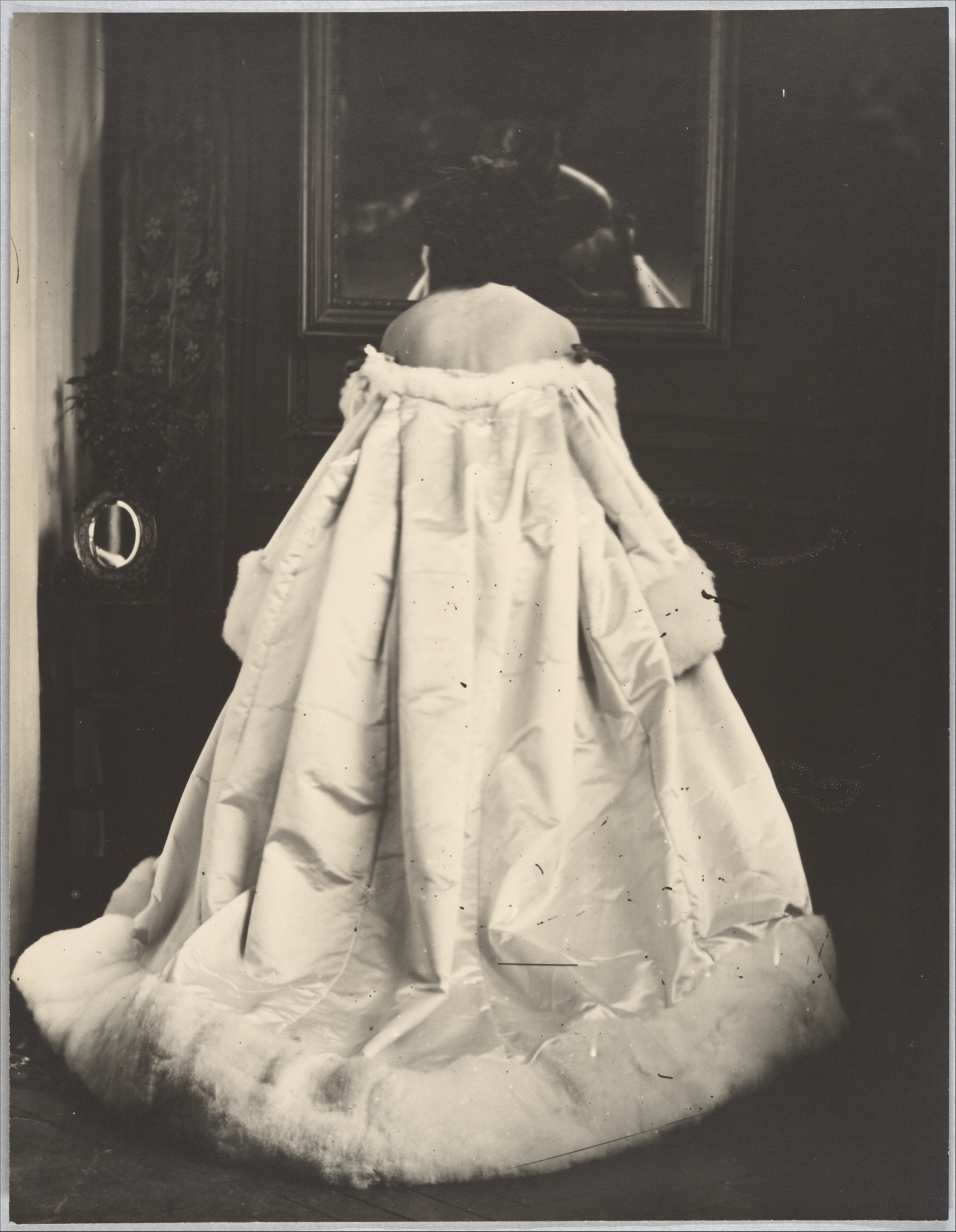
The Opera Ball, as captured through the alchemical precision of a gelatin silver print from a glass negative, represents a pivotal moment in aesthetic archaeology. This medium, born of the late 19th and early 20th centuries, is not merely a document of social ritual; it is a material witness to a specific philosophy of form. The glass negative, with its extreme sensitivity to light and shadow, renders the ball’s sartorial splendor in a spectrum of monochromatic depth that no modern digital reproduction can replicate. For the 2026 luxury silhouette, this archival artifact offers a lexicon of structural purity and theatrical restraint—a counterpoint to the era’s digital saturation. The haute couture house must now engage in a process of material translation, extracting the essence of this fixed, silver-based image into fluid, three-dimensional form.
The Gelatin Silver Print as a Structural Blueprint
The technical specificity of the gelatin silver print—its high contrast, its ability to render fine detail in the highlights and deep blacks in the shadows—provides an unexpected architectural guide for 2026 silhouettes. The glass negative’s clarity reveals the underlying armature of the Opera Ball’s gowns: the precise cut of a corset, the exact fall of a silk train, the geometry of a diamond tiara. In this context, the print becomes a negative space that defines the positive form. For the 2026 collection, this translates into a renewed emphasis on negative-construction techniques. Silhouettes will not be draped; they will be excavated from the fabric, with seams acting as lines of light and shadow, much like the grain of the silver print.
The materiality of the print itself—the physical gelatin layer, the silver particles suspended in emulsion—informs a tactile approach to textile selection. The 2026 silhouette will favor high-density wools, matte satins, and lacquered silks that mimic the print’s surface: smooth, reflective, yet deeply textured. The dichotomy of light and dark becomes a design principle, with gowns constructed in stark black and white, or in monochromatic gradients that echo the tonal range of the archival image. This is not nostalgia; it is a materialist archaeology, where the medium itself dictates the form.
Architectural Silhouettes: The Corset as a Luminous Frame
The Opera Ball’s classical elegance is defined by the architectural corset, a structure that the gelatin silver print renders with forensic clarity. In the 2026 haute couture context, this corset is not a relic of constraint but a luminous frame for the female form. The print’s ability to capture the play of light across rigid surfaces inspires a silhouette that is both sculptural and ethereal. The 2026 gown will feature a reimagined basque waist, elongated and sharp, as if carved from a single block of silver. The bodice will be constructed using precision-cut panels of structured tulle and lacquered organza, creating a photographic chiaroscuro effect that shifts with the wearer’s movement.
The skirt, in contrast, will be a study in controlled volume. The glass negative’s deep blacks suggest a heavy, weighted drape that falls with a metallic gravity. For 2026, this translates into a columnar silhouette with a subtle train, cut on the bias to create a liquid flow that mimics the print’s gradation from highlight to shadow. The shoulder line will be exaggerated, not through padding but through architectural cut—a sharp, off-shoulder or asymmetric line that references the decisive edge of the glass plate. This is a silhouette of controlled tension, where every seam is a line of demarcation between light and dark.
Material Translation: From Silver to Silk
The gelatin silver print’s materiality—its silver halide crystals suspended in a gelatin binder—offers a direct translation into textile. For the 2026 collection, the house will develop a bespoke fabric: a silver-infused silk gazar that captures the print’s metallic sheen and matte depth. This textile will be hand-embroidered with micro-crystals and silver thread, creating a luminous surface that changes with the light, much like the print’s emulsion. The weight and hand of this fabric will be precisely calibrated to mimic the physical presence of the glass negative—neither too stiff nor too fluid, but possessing a structural integrity that holds its shape.
The embroidery pattern will be derived from the grain of the silver print itself—the random distribution of silver particles, enlarged and translated into a geometric motif. This algorithmic embroidery will be applied to key structural points: the waist, the shoulder, the hem. The result is a surface that breathes, a textile that is both historical and futuristic. The 2026 silhouette is thus a material conversation between the archival medium and the living body, where the silver print’s essence is woven into the very fabric of the gown.
The Isolated Aesthetic: A New Lexicon of Elegance
The isolated aesthetic archaeology of the gelatin silver print—its removal from context, its focus on a single, frozen moment—informs a new lexicon of elegance for 2026. The Opera Ball, in its original form, was a spectacle of social hierarchy and collective ritual. The print, however, isolates the individual figure, stripping away the crowd and the architecture. This reduction to essence is the guiding principle for the 2026 silhouette. The gown will be minimalist in its maximalism, with every element serving a structural or symbolic purpose. There will be no superfluous ornament, no decorative excess. The elegance lies in the precision of the cut, the purity of the line, the tension between volume and restraint.
The 2026 silhouette will also embrace the imperfections of the medium. The glass negative’s occasional scratches, dust spots, and chemical stains become design features—intentional flaws that add depth and authenticity. Gowns will incorporate asymmetric hems, unfinished edges, and deliberate irregularities in the embroidery. This is not a rejection of perfection but a redefinition of it, where the trace of the hand and the accident of chemistry are celebrated as markers of artisanal truth. The wearer of the 2026 gown is not a passive figure in a tableau; she is a living photograph, a dynamic archive of light and shadow.
Conclusion: The 2026 Silhouette as a Photographic Artifact
The gelatin silver print from the glass negative, as an artifact of the Opera Ball, offers the haute couture house a radical methodology for the 2026 silhouette. It is a call to slow down, to excavate, to translate. The 2026 collection will not imitate the past; it will extract its structural DNA and re-embody it in a new material language. The silhouette will be architectural, luminous, and deeply tactile, a photographic artifact brought to life. The elegance is in the process, in the alchemy of transformation from silver to silk, from negative to form. This is the future of haute couture: a rigorous, poetic engagement with the material history of beauty.