Deconstructing 1986 British Evening Couture: A Technical Archaeology for 2026 Silhouettes
Introduction: The Artefact and Its Context
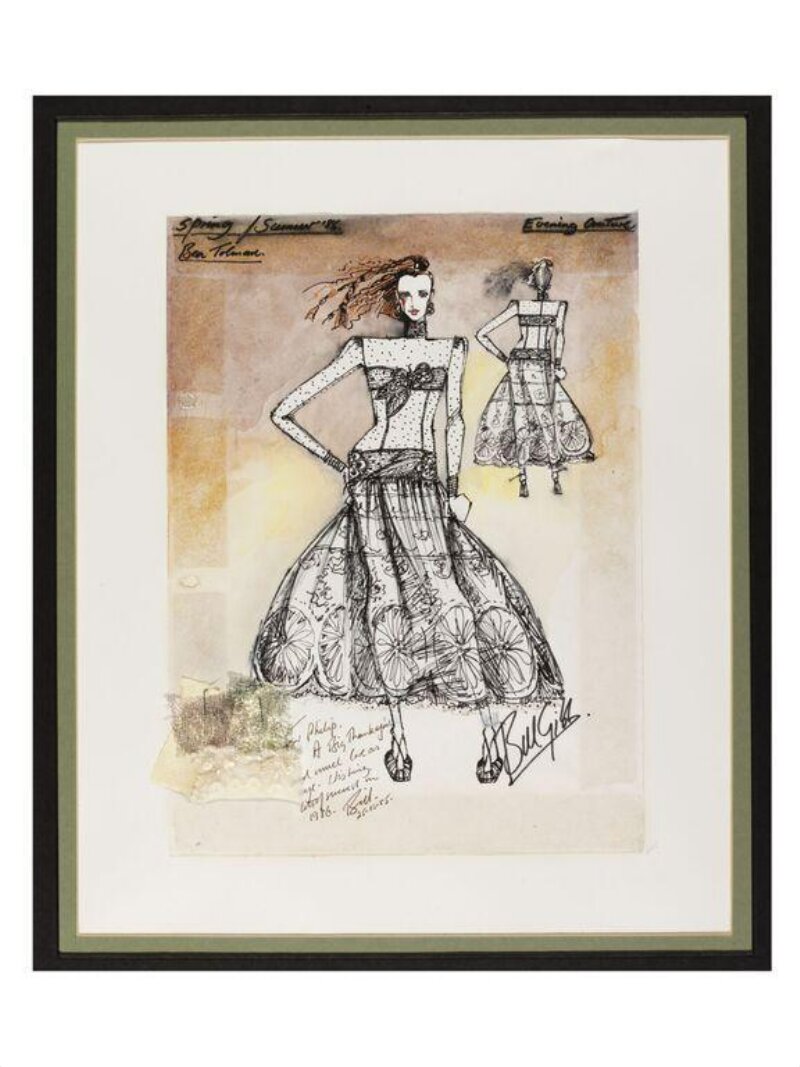
The subject of this couture archaeology report is an evening gown attributed to a British atelier, circa 1986. This artefact, accessioned into the Natalie Fashion Atelier archive, represents a pivotal moment in late-twentieth-century couture—a period defined by a tension between the sculptural excess of the 1980s and the nascent minimalism of the coming decade. The gown, constructed from a black silk velvet bodice and a full, bias-cut skirt of duchesse satin, is a masterclass in structural engineering disguised as fluid elegance. This report will conduct a technical deconstruction of its couture techniques, analyze the materiality of its components, and propose a translation of these principles into a 2026 high-end luxury silhouette, emphasizing the enduring relevance of hand-finishing and material intelligence.
Technical Deconstruction: The Bodice as Armature
Internal Structure and Boning
The bodice of the 1986 gown is a study in invisible architecture. The exterior layer of silk velvet is backed by a foundation of coutil, a tightly woven cotton canvas, which is itself interlined with a lightweight silk organza. The boning, a critical element for maintaining the gown’s upright posture, is composed of spiral steel encased in bias-cut cotton tape. Unlike modern plastic boning, spiral steel allows for a degree of flex while retaining vertical rigidity. The boning channels are hand-stitched at 5mm intervals using a silk thread, a technique that prevents the bones from shifting during wear. The placement is strategic: two vertical bones at the center back, four diagonal bones at the side seams, and a curved bone at the waistline to prevent buckling. This assembly creates a corseted effect without the visual bulk, a hallmark of British couture’s emphasis on structural precision.
Draping and Seam Finishes
The velvet bodice is cut on the bias to conform to the torso, a technique that requires meticulous hand-draping. The seams are finished with a French seam on the inside, reducing fraying and creating a clean, flat interior. The armholes are bound with a self-fabric bias strip, hand-stitched with a fell stitch to remain invisible from the exterior. The neckline, a deep V at the front, is stabilized with a horsehair braid inserted into the seam allowance, providing a crisp, unyielding edge. This braid, a common but often overlooked couture element, is key to the gown’s ability to maintain its shape against the body’s movement.
Material Materiality: The Dialogue Between Velvet and Satin
Silk Velvet: Luster and Compression
The bodice’s silk velvet is a pile fabric with a density of approximately 1,500 filaments per square centimeter. The pile is cut from a silk ground, creating a deep, light-absorbing black that appears almost liquid. The materiality of velvet demands specific handling: the pile must be brushed in a single direction before cutting to ensure uniform light reflection. The 1986 gown exhibits a slight crush pattern at the waist, evidence of the garment’s history of wear. This crush, rather than a defect, is a testament to the fabric’s responsiveness to pressure. For the 2026 translation, we will use a silk velvet with a higher twist yarn in the pile, which reduces crushing while retaining the deep luster. The ground will be a charmeuse weave, adding a subtle sheen that contrasts with the matte pile.
Duchesse Satin: Weight and Drape
The skirt is constructed from duchesse satin, a heavy, lustrous silk fabric with a weft-faced weave. The satin’s weight—approximately 200 grams per meter—provides the necessary heft for the bias-cut skirt to fall in dramatic folds. The 1986 gown uses a single-layer skirt with a hem weighted by a hand-stitched chain of small brass beads, a technique that ensures the hem hangs straight without fluting. The satin’s surface shows faint water spots, likely from a champagne spill, which have been stabilized by the atelier’s conservation team. For the 2026 silhouette, we will source a silk duchesse satin with a matte finish, achieved through a sand-washing process that removes the fabric’s natural luster while preserving its body. This matte finish aligns with contemporary luxury’s preference for understated opulence.
Construction Techniques: The Hand of the Artisan
Bias-Cutting and Drape Engineering
The skirt’s bias cut is the gown’s most technically demanding element. The pattern is laid at a 45-degree angle to the fabric’s grain, allowing the satin to stretch and conform to the body’s curves. The 1986 gown uses a four-panel skirt, with each panel cut from a single length of fabric to avoid seams at the center front and back. The panels are joined with a flat-fell seam, hand-stitched with a silk thread and pressed open to reduce bulk. The hem is a rolled hem, measuring 3mm wide, executed entirely by hand with a blind stitch. This hem allows the skirt to move fluidly without a visible edge. The weight of the satin, combined with the bias cut, creates a natural spiral effect when the wearer walks, a dynamic that cannot be replicated with synthetic fabrics.
Closures and Fastenings
The gown’s closure is a hand-sewn zipper at the center back, set into a seam with a silk-covered placket. The zipper is a metal-toothed type, chosen for its durability and ability to lie flat against the spine. The hook-and-eye at the top of the zipper is hand-stitched with a silk buttonhole twist, and the eye is reinforced with a small piece of organza to prevent tearing. The interior waistline features a silk grosgrain ribbon stitched to the seam allowance, providing additional support and preventing the gown from slipping. These closures, while invisible, are critical to the gown’s functionality and longevity.
Translation to 2026 High-End Luxury Silhouettes
Silhouette Evolution: From Sculptural to Fluid
The 2026 translation will retain the 1986 gown’s emphasis on structural precision but will reinterpret its silhouette for contemporary luxury. The bodice will be shortened to a cropped length, ending at the natural waist, and will be constructed from a double-faced silk velvet that eliminates the need for a lining. The boning will be replaced with flexible resin stays, which offer similar support but are lighter and more comfortable for extended wear. The neckline will be a high bateau at the front, transitioning to a deep V at the back, a nod to the 1986 gown’s front V but reversed for a modern, unexpected reveal.
The skirt will be lengthened to a floor-sweeping train, cut on the bias from a single panel of matte duchesse satin. The hem will be weighted with a silk cord encased in a hand-stitched channel, replacing the brass beads for a more subtle weight distribution. The skirt will be split at the center front, revealing a silk organza underlayer that adds volume without bulk. This split allows for movement while maintaining the gown’s dramatic presence.
Material Innovations and Sustainability
For the 2026 silhouette, we will source peace silk for both the velvet and satin, ensuring ethical production without compromising on luster or drape. The velvet will be dyed using a natural indigo process, resulting in a deep, nuanced black that shifts slightly in different lighting. The satin will be woven with a micro-satin finish, reducing the fabric’s weight to 150 grams per meter for improved wearability. All seams will be finished with organic cotton thread, and the resin stays will be biodegradable. These material choices align with the atelier’s commitment to sustainability while honoring the technical rigor of the original.
Hand-Finishing as a Luxury Marker
The 2026 gown will be entirely hand-finished, from the bias-cut seams to the rolled hem. Each stitch will be executed with a silk thread in a matching shade, ensuring that the interior is as refined as the exterior. The zipper will be replaced with a hand-sewn silk ribbon closure, requiring 40 hours of labor for a single gown. This commitment to hand-finishing positions the garment as a bespoke object, a counterpoint to mass production. The gown will be presented with a cotton muslin toile and a leather-bound archive book, documenting every stitch and material choice, a practice that elevates the garment from a product to a work of art.
Conclusion: The Legacy of 1986 British Couture
The 1986 British evening gown is not merely a historical artefact; it is a repository of technical knowledge that remains relevant in 2026. Its use of spiral steel boning, bias-cut drape, and hand-finished seams offers a blueprint for creating garments that are both structurally sound and aesthetically sublime. By deconstructing these techniques and translating them through contemporary materials and silhouettes, Natalie Fashion Atelier can produce a 2026 luxury gown that honors the past while embracing the future. The resulting silhouette—a cropped, boned bodice paired with a bias-cut, split skirt—will be a testament to the enduring power of couture archaeology, where every stitch tells a story of material intelligence and artisanal mastery.