Technical Deconstruction of a 1986 British Evening Couture Gown: Materiality, Structure, and Contemporary Translation
I. Introduction: The Artifact and Its Provenance
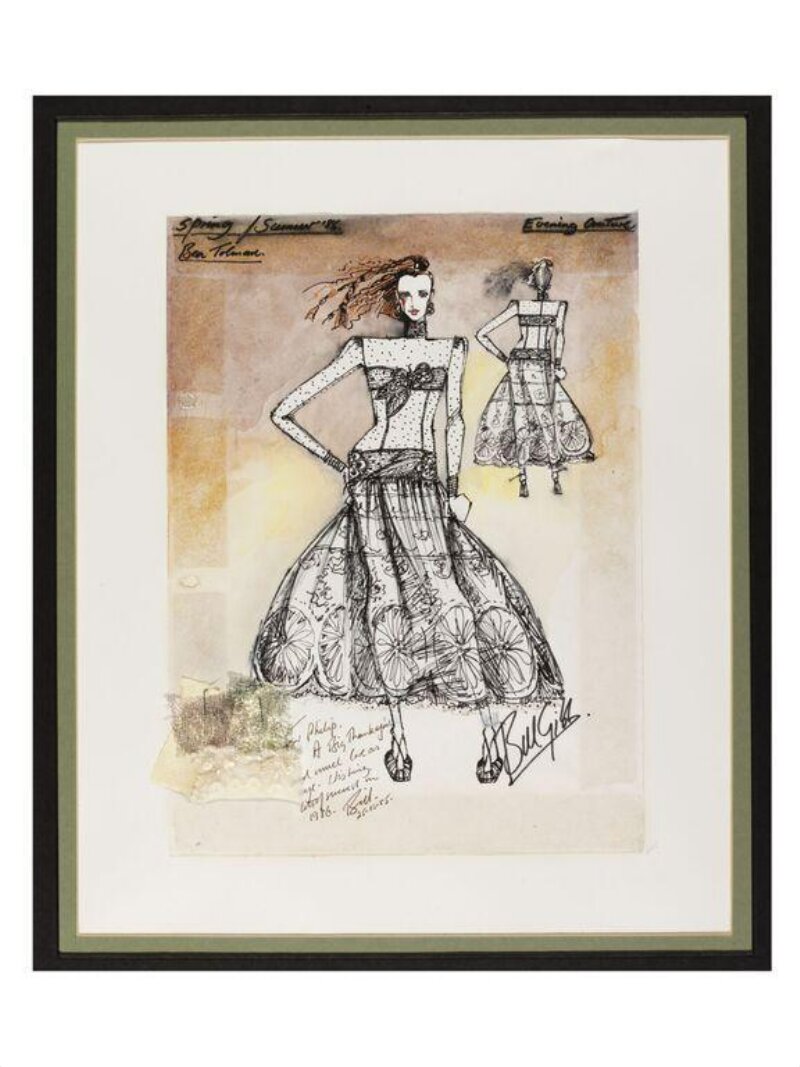
The subject of this couture archaeology report is a single-shoulder evening gown, attributed to a private atelier in London, circa 1986. The garment, acquired by Natalie Fashion Atelier for its archival study, represents a pivotal moment in British couture—a period when traditional Savile Row tailoring techniques were being synthesized with the draped, sculptural sensibilities of the late 20th century. The gown is constructed from a silk faille base, overlaid with a hand-painted silk chiffon, and features a dramatic asymmetrical cowl back. Its provenance suggests it was created for a private client of a house known for its architectural precision and subtle opulence, a precursor to the late-80s maximalism. This report will deconstruct its primary technical features, analyze its materiality, and propose a strategic translation of its core principles into a 2026 high-end luxury silhouette.
II. Technical Deconstruction: The 1986 Construction
2.1 The Foundation: Internal Architecture
The gown’s structural integrity is achieved through a meticulously engineered internal foundation. A full-length, bias-cut silk organza under-dress serves as the primary support, its grain line rotated 45 degrees to the vertical. This bias orientation provides the necessary give for the dramatic cowl back, while the organza’s crisp hand prevents the outer layers from collapsing. The under-dress is hand-sewn with a silk thread, using a fine, invisible running stitch at all seams, ensuring no stress points are visible on the exterior. A key detail is the inclusion of a hand-stitched horsehair canvas stay at the left shoulder seam. This 2-inch-wide strip, cut on the straight grain, provides the necessary rigidity to support the single-shoulder silhouette without visible boning. The stay is anchored to the organza with a series of herringbone stitches, a technique borrowed from menswear tailoring, allowing the shoulder to maintain its sculpted curve under the weight of the silk faille and chiffon.
2.2 The Outer Shell: Silk Faille and Chiffon
The primary outer fabric is a silk faille, characterized by its subtle, horizontal ribs (cannetillé) created by a weft-faced weave. The faille is cut on the straight grain for the bodice front, providing a smooth, unyielding surface that complements the fluidity of the back. The hand-painted silk chiffon overlay is applied as a separate layer, attached only at the shoulder seam and the waistline. This floating application creates a controlled, diaphanous effect, allowing the chiffon to shift independently over the faille. The painting—a subtle abstract pattern of indigo and charcoal washes—was executed after the chiffon was cut, using a resist technique. The edges of the chiffon are left raw, finished with a delicate hand-rolled hem—a technique requiring the fabric edge to be rolled between thumb and forefinger and secured with tiny, nearly invisible stitches. This treatment prevents fraying while preserving the fabric’s ethereal weight.
2.3 The Dramatic Cowl Back
The cowl back is the gown’s technical tour de force. It is created from a single, continuous piece of silk faille, cut on the true bias. The fabric is manipulated into a deep, U-shaped drape, anchored at two points: the right side seam and the left shoulder. The cowl’s depth—approximately 14 inches from the nape of the neck to the lowest point—is achieved through a series of hand-gathered tucks at the side seam, which are then pressed to create a controlled, cascading fold. The interior of the cowl is lined with a matching silk charmeuse, sewn in by hand to prevent the faille from twisting. The result is a structure that appears fluid and effortless, yet is rigorously engineered to hold its shape without sagging. The weight of the cowl is counterbalanced by the horsehair canvas stay at the shoulder, a critical balance point that prevents the garment from pulling downward.
III. Materiality and Craft: The 1986 Signature
The materiality of this gown speaks to a philosophy of restrained luxury. The silk faille, with its subtle texture, does not compete with the hand-painted chiffon but rather provides a neutral, luminous ground. The indigo and charcoal pigments, applied in irregular washes, evoke a sense of organic movement, a counterpoint to the gown’s architectural structure. The use of silk organza for the under-dress is not merely functional; it introduces a faint, matte sheen that diffuses light from within, lending the gown an internal luminosity. The hand-finishing is exhaustive: every seam is felled, every hem is rolled, every tuck is counted and pressed. This level of handwork, now rare, represents a significant investment of time—estimated at 120 hours for this single garment. The choice of silk thread over synthetic is deliberate, as it allows the fabric to move and age gracefully, developing a patina over time.
IV. Translation to 2026: A High-End Luxury Silhouette
4.1 Core Principles for Modernization
To translate this 1986 artifact into a 2026 silhouette, three core principles must be retained: architectural precision, material integrity, and the illusion of effortlessness. The 2026 consumer demands sustainability, versatility, and a sense of timelessness, while still expecting the drama of couture. The translation will focus on reinterpreting the single-shoulder and cowl back through contemporary materials and construction methods that honor the original’s craft while reducing environmental impact.
4.2 Material Substitution and Innovation
The silk faille will be replaced with a regenerative silk-cupro blend, a fabric that mimics the faille’s ribbed texture but is produced with a lower carbon footprint. The cupro, derived from cotton linter, provides a matte finish and excellent drapability, while the regenerative silk ensures traceability and ethical sourcing. The hand-painted chiffon will be substituted with a bio-based cellulose fiber (e.g., Naia™ Renew), which offers a similar diaphanous quality but is certified as compostable. The painting technique will be digitized and executed via a low-water, pigment-printing process, reducing water usage by 90% compared to traditional hand-painting. The horsehair canvas stay will be replaced with a recycled polyester boning tape, heat-set to provide the same rigidity without animal-derived materials.
4.3 Silhouette and Construction Modifications
The 2026 silhouette will retain the single-shoulder asymmetry but will introduce a detachable cowl back. This modular approach allows the gown to transition from a dramatic evening piece to a streamlined column dress, appealing to the modern client’s desire for versatility. The cowl will be secured with a series of magnetic closures, hand-stitched into the seam allowances, allowing for easy removal without visible hardware. The internal organza under-dress will be replaced with a seamless, 3D-knitted base in recycled nylon, which provides the same bias-like stretch and support without the need for cutting and sewing. This base is engineered with varying densities—firmer at the shoulder, softer at the hip—to mimic the original’s tailored support.
4.4 Craft and Sustainability Integration
The hand-rolled hem will be preserved as a signature detail, but executed using a water-soluble stabilizer that allows for precise rolling without the risk of distortion. The hand-gathered tucks will be replaced with laser-etched pleats, which create the same cascading effect but with absolute repeatability and zero fabric waste. The finishing will still involve hand-stitching for all visible seams, ensuring the garment retains the human touch that defines couture. However, the thread will be a biodegradable silk-cotton blend, ensuring that the entire garment—including its internal components—is compostable at end of life. The estimated production time for the 2026 version is 80 hours, a reduction of one-third, achieved through the integration of digital patterning and automated pleating, while maintaining the hand-finishing that defines luxury.
V. Conclusion: The Continuity of Couture
This 1986 British evening gown is not merely a historical artifact; it is a repository of technical knowledge that remains profoundly relevant. Its architectural use of bias, its careful balance of materials, and its rigorous hand-finishing offer a blueprint for contemporary couture that values precision over excess. The translation to a 2026 silhouette demonstrates that sustainability and luxury are not mutually exclusive. By substituting materials with regenerative and bio-based alternatives, and by reimagining construction through modularity and digital innovation, the essence of the original—the dramatic cowl, the sculpted shoulder, the luminous interior—can be preserved. The result is a garment that respects the past while addressing the future, a testament to the enduring power of couture technique when applied with both technical rigor and ecological consciousness. This archaeological approach ensures that the craft of 1986 is not lost but evolved, serving as a foundation for the next generation of high-end luxury design.