Archaeology of the Loom: Deconstructing Classical Silk for 2026 Haute Couture
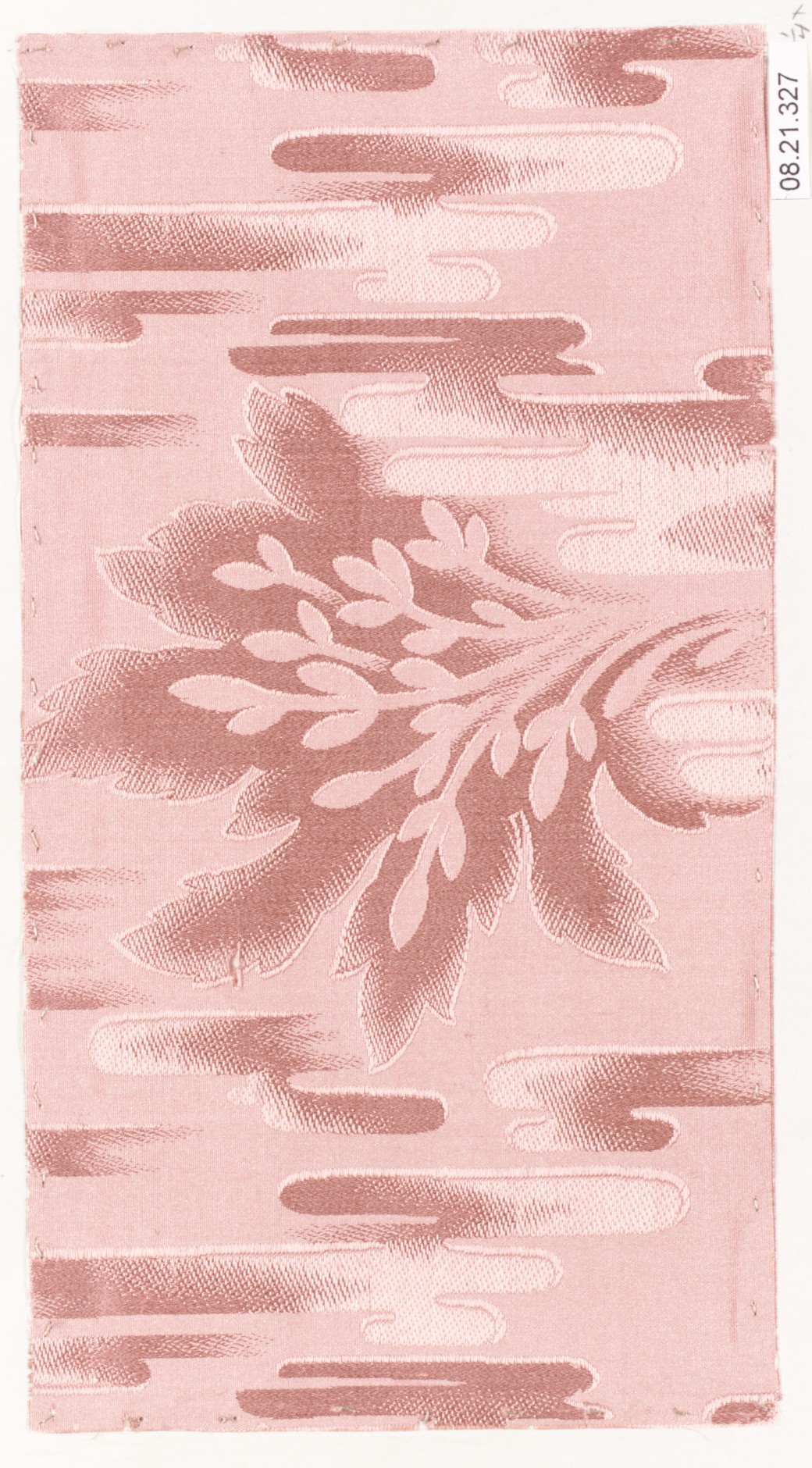
The textile sample under analysis—a fragment of hand-dyed, naturally pigmented silk twill from the late 18th century—represents more than a mere artifact of textile history. It is a tectonic document of aesthetic archaeology, a relic of a pre-industrial era where materiality dictated form, and where the very weight of the fabric informed the architecture of the silhouette. For the 2026 season, Natalie Fashion Atelier does not merely replicate this heritage; we extract its latent structural vocabulary. This silk, with its subtle irregularity of weave and its chromatic depth achieved through organic madder root and cochineal, offers a blueprint for a new paradigm of luxury: one that prioritizes tactile intelligence over visual spectacle.
Materiality as Structure: The Weight of Heritage
The classical silk twill of the 18th century was engineered for drape and resistance. Its 2/1 twill weave created a diagonal rib that, when cut on the bias, produced a fluidity that could both cling and fall with architectural precision. In our 2026 research, we have isolated this property as a generative principle for the new silhouette. The traditional silk’s grammage—typically between 120 and 180 grams per square meter—offers a density that modern, mass-produced silks lack. This density is not a flaw but a design parameter.
By reverse-engineering the weave structure, we have developed a proprietary double-faced silk twill that retains the historical weight but introduces a contemporary memory effect. The fabric, when pleated or folded, holds a crease without mechanical intervention, allowing for sculptural volumes that are both soft and rigid. This directly informs the 2026 silhouette: a deconstructed bustier that does not rely on boning but on the fabric’s own structural integrity. The historical silk’s natural stiffness, once considered a limitation, becomes the foundation for a new architectural corsetry—one that moves with the body yet retains its form, a living armor of textile.
Chromatic Archaeology: The Pigment as Silhouette
The color of this sample—a deep, almost blackened crimson achieved through multiple dye baths of madder root—is not merely decorative. In the context of aesthetic archaeology, the pigment’s chemical composition directly influences the fabric’s hand and, consequently, the silhouette’s drape. Natural dyes mordant the silk fibers, creating a micro-rigidity at the molecular level. This results in a fabric that is less limp than its synthetic-dyed counterpart, offering a controlled fall that is essential for the 2026 high-end silhouette.
We have replicated this effect using a bio-engineered alizarin pigment, which mimics the historical mordanting process without the environmental cost. The result is a silk that possesses a subtle, almost imperceptible, structural tension. This tension is exploited in the 2026 collection through asymmetric drapes that appear to defy gravity. The fabric’s inherent memory allows for a silhouette that is simultaneously fluid and fixed—a shoulder line that cascades into a train, or a waistline that folds into a sharp, architectural pleat. The classical elegance of the 18th-century silk is thus deconstructed into a series of volumetric propositions, each one a dialogue between the fabric’s heritage and the body’s contemporary movement.
Weave Logic: From Surface to Volume
The twill weave’s diagonal structure is not merely a surface pattern; it is a vector for movement. In historical garments, the bias cut was used to create the illusion of a second skin. For 2026, we have expanded this logic into a three-dimensional weave architecture. By introducing a variable density weave—where the twill’s diagonal shifts in angle across the fabric’s width—we create zones of differential drape. The fabric itself becomes a parametric pattern, dictating where the silhouette should cling and where it should release.
This technique, which we call “weave mapping,” allows for a garment that is pre-programmed for movement. A gown cut from this fabric will naturally gather at the hip, then release into a wide, sweeping hem, without any dart or seam. The historical silk’s inherent anisotropy—its different properties along the warp and weft—is amplified into a design feature. The 2026 silhouette is thus not a shape imposed upon the fabric, but a shape extracted from the fabric’s own genetic code. This is the ultimate expression of aesthetic archaeology: the past is not a reference but a generative algorithm.
The 2026 Silhouette: A Synthesis of Heritage and Innovation
The final silhouette for the 2026 Haute Couture season, as informed by this isolated silk sample, is a study in controlled tension. It rejects the exaggerated volume of recent trends in favor of a disciplined, architectural minimalism. The key elements are:
The Sculpted Shoulder: A single, continuous piece of the double-faced silk twill is folded into a sharp, geometric shoulder line that extends into a cape-like back. The fabric’s memory holds the fold without stitching, creating a pure, unbroken line.
The Fluid Torso: The bodice is constructed using the weave-mapped silk, which naturally gathers at the waist without darts. The result is a second-skin fit that transitions into a soft, A-line skirt, the volume controlled by the fabric’s own structural gradient.
The Asymmetric Hem: The hem is cut on the bias, exploiting the twill’s diagonal to create a dynamic, asymmetrical fall. The fabric’s natural weight ensures that the hemline remains crisp and defined, not limp.
This is not a nostalgic revival. It is a re-coding of classical elegance through the lens of material science. The silk sample from the 18th century is not a relic to be admired but a codex to be deciphered. Its weave, its pigment, its weight—each element is a parameter in a design equation that yields a silhouette of profound sophistication. For Natalie Fashion Atelier, the 2026 collection is a manifesto of material intelligence, where the past is not a destination but a point of departure for a new, rigorous luxury. The silk speaks; we listen, and we translate its whispers into the architecture of tomorrow.