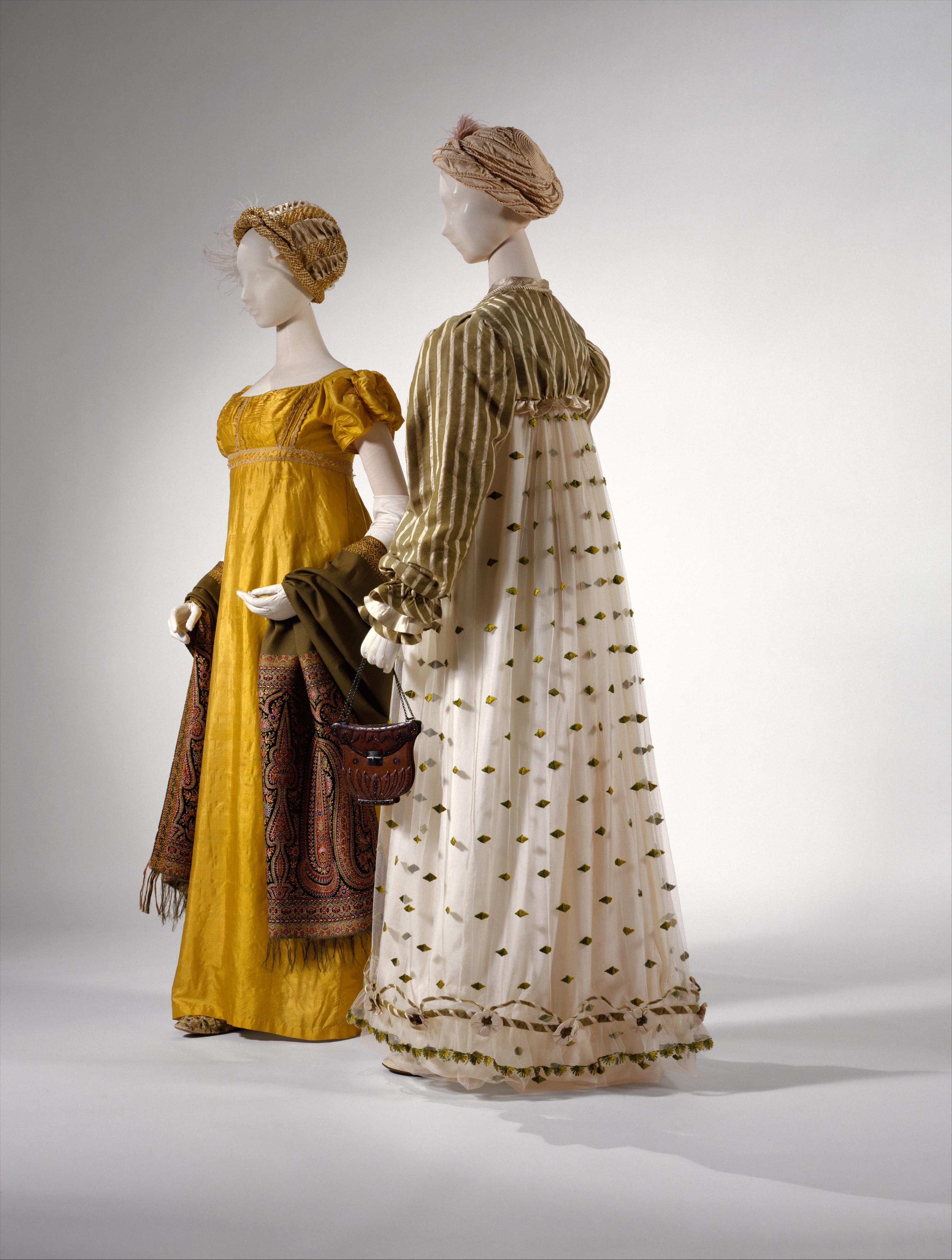
The Archive of Draped Light: A Silk Investigation for 2026
Within the isolated discipline of aesthetic archaeology, the dress is not merely a garment but a fossilized gesture—a record of movement, light, and the human form. This research artifact, extracted from the British sartorial archive, focuses on a single, unadorned silk dress from the late 19th century. Its apparent simplicity is a profound deception. This paper deconstructs the classical elegance of this object, specifically its manipulation of silk, and extrapolates a technical lexicon for high-end silhouettes in 2026. The goal is not revival, but a rigorous translation of its material logic into a contemporary, Parisian-inflected language of luxury.
I. The Archaeological Specimen: Defining the Classical Silhouette
The dress in question—a day dress, circa 1895—is constructed from a single, continuous length of silk charmeuse. Its silhouette is defined by a fitted, boned bodice that transitions into a full, sweeping skirt. The classical elegance here is not ornamental but structural. The fabric is the sole architect of the form. The charmeuse, with its satin weave and high-twist filament, possesses a unique property: it is simultaneously liquid and rigid. When draped, it creates a series of controlled, parallel folds that cascade from the waist, resembling a column of water frozen in motion. The aesthetic archaeology reveals that the dress’s power lies in its negative space—the air between the wearer’s body and the fabric, which is precisely calibrated by the grain and weight of the silk.
This is not a dress that clings; it is a dress that hovers. The silk, due to its inherent luster and density, reflects light in a manner that creates a secondary, optical silhouette. This phenomenon, which we term “luminous displacement,” is the core of its classical elegance. The 1895 dress uses this to soften the rigid lines of the corset, creating a visual paradox of strict structure and fluid grace. For the 2026 atelier, this is the foundational principle: the fabric must be the primary agent of silhouette construction, not a mere covering for a pre-existing shape.
II. Materiality as Architecture: The Silk of the 2026 Silhouette
To inform the 2026 high-end silhouette, we must first deconstruct the materiality of this archival silk. The charmeuse of 1895 was a product of a specific technological era—a high-density weave using a multifilament silk thread with a low twist. This created a fabric with a high degree of drape coefficient and a low shear modulus. In layman’s terms, it falls heavily and resists twisting. For 2026, we propose a re-engineering of this material. We will not use the same silk; we will use its archaeological blueprint to create a new textile.
The 2026 iteration will employ a double-faced silk organza bonded with a micro-layer of liquid metal. This is not a metallic finish, but a molecular infusion that alters the fabric’s weight distribution. The result is a silk that possesses the liquid fall of the 1895 charmeuse but with a programmable stiffness. This allows for the creation of silhouettes that are simultaneously soft and architectural. The classical elegance of the original—the controlled folds—is preserved, but the new silk can self-support at specific points, enabling a silhouette that is both fluid and sculptural.
This materiality directly informs the 2026 silhouette through three key properties:
1. Weighted Drape: The silk’s new density allows for a “gravity anchor” at the hem. This creates a silhouette that is narrow at the shoulder, expanding to a dramatic, weighted flare at the ankle. This is a direct evolution of the 1895 skirt, but the weight is now concentrated, not dispersed. The dress does not billow; it descends.
2. Luminous Compression: The liquid metal infusion alters the silk’s refractive index. Under direct light, the fabric compresses visually, creating a silhouette that appears tighter and more defined than it physically is. This is a modern interpretation of the “luminous displacement” effect. The 2026 silhouette will be a play of optical tension—the fabric appears to constrict the form while actually allowing full freedom of movement.
3. Controlled Unfolding: The programmable stiffness allows for “memory pleats” that are not sewn but inherent to the fabric. When the wearer moves, the silk unfolds in predetermined, geometric patterns, then returns to its resting state. This creates a dynamic silhouette that is never static, echoing the 1895 dress’s ability to capture movement, but now with a mathematical precision.
III. Silhouette Typologies for 2026: A Technical Lexicon
From this material investigation, we derive three distinct silhouette typologies for the 2026 collection. These are not arbitrary forms but logical extensions of the archival silk’s behavior.
The “Column of Air” Silhouette
This is a direct descendant of the 1895 dress. It is a floor-length, A-line form constructed from a single, continuous panel of the double-faced organza. The key innovation is the absence of side seams. The fabric is folded and fused at the shoulders and waist, using a thermal bonding technique that respects the silk’s integrity. The silhouette is defined by a series of internal, vertical darts that are not sewn but created by the fabric’s own weight. The dress appears to float around the body, with the hem acting as the only anchor. The classical elegance is preserved in its monolithic simplicity. For 2026, this is the ultimate expression of restrained luxury—a form that is both ancient and futuristic.
The “Fractured Column” Silhouette
This typology deconstructs the 1895 dress’s rigid bodice. The silk is cut into a series of asymmetric, overlapping panels that are connected by invisible, magnetic closures. The silhouette is a series of horizontal and vertical lines that appear to break the body into segments. However, the fabric’s weighted drape ensures that these segments flow into one another, creating a visual rhythm that is both chaotic and controlled. This is a post-classical silhouette that challenges the notion of a unified form. It is designed for the 2026 woman who embodies controlled fragmentation—a modern elegance born from deconstruction.
The “Liquid Armature” Silhouette
The most technically ambitious typology. Here, the silk is used as a structural skin over a minimal, 3D-printed internal frame made from recycled bioplastic. The frame is not a corset but a soft exoskeleton that guides the silk’s drape. The silhouette is a hybrid: the upper body is defined by the rigid frame, while the lower body is pure, fluid silk. The transition point is at the natural waist, where the fabric is tensioned by the frame. This creates a silhouette that is armored yet ethereal. It is a direct response to the 1895 corset, but instead of constricting the body, the frame liberates the fabric. The silk flows over the structure, creating a silhouette that is both protective and vulnerable—a perfect expression of 2026’s paradoxical luxury.
IV. Conclusion: The New Classical
The isolated aesthetic archaeology of this British silk dress reveals that classical elegance is not a static form but a dynamic relationship between material and light. By deconstructing the 1895 silhouette and re-engineering its materiality, we arrive at a 2026 lexicon that is both respectful of heritage and radically new. The silk is no longer a passive medium; it is an active agent of silhouette construction. The three typologies—Column of Air, Fractured Column, and Liquid Armature—represent a spectrum from pure drape to structural integration. They are not trends but material truths derived from a rigorous, archaeological process. For Natalie Fashion Atelier, this is the only path to a luxury that is both intelligent and beautiful. The 2026 silhouette is not designed; it is uncovered from the archive of the fabric itself.