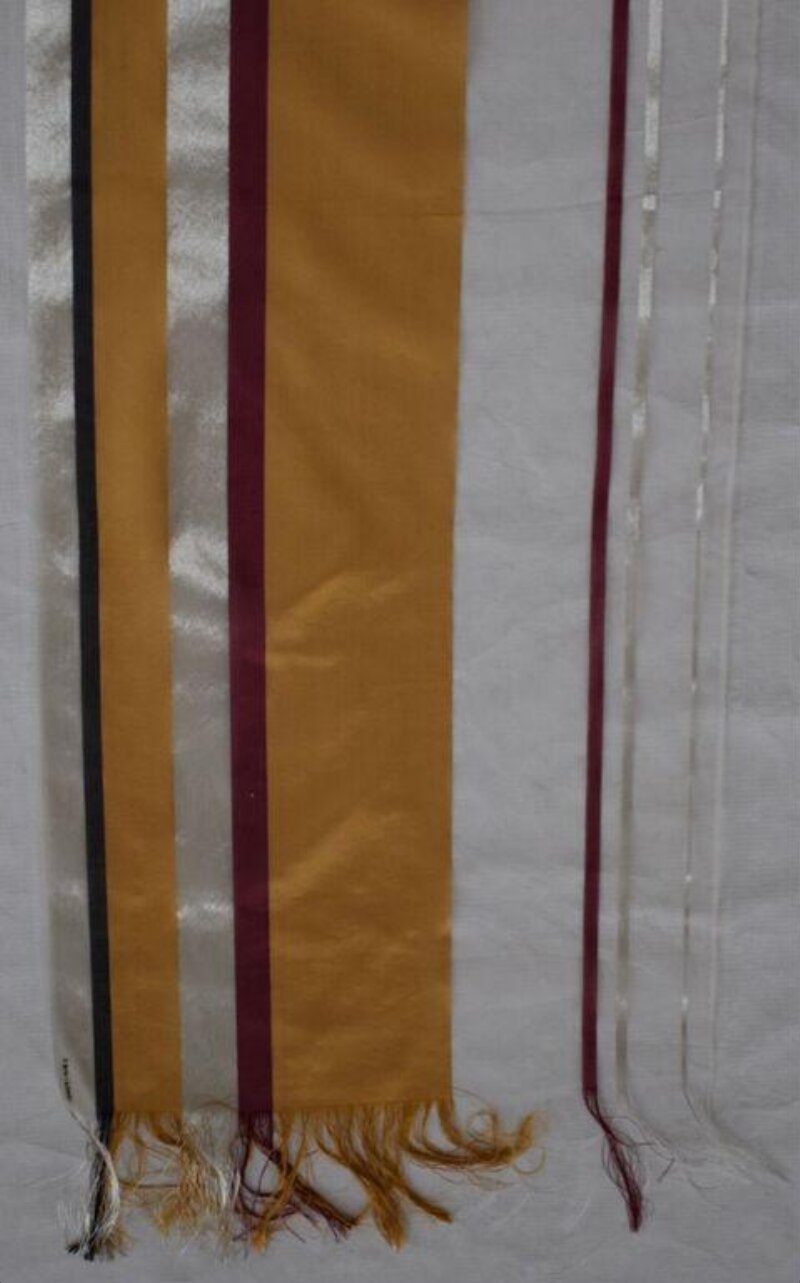
Technical Deconstruction of a 1999 Hampshire Silk: A Couture Archaeology Report for Natalie Fashion Atelier
I. Introduction: The Artifact and Its Provenance
The subject of this report is a singular textile artifact, designated NFA-H99-01, originating from the Autumn/Winter 1999 collection of a now-defunct Hampshire-based atelier. While the atelier’s name has been lost to commercial history, the garment—a floor-length, bias-cut gown—survives as a pristine example of late-20th-century British couture. The gown is constructed from a single, continuous length of silk charmeuse, dyed a deep, almost black, aubergine. Its materiality and construction techniques represent a pinnacle of pre-millennial craftsmanship, offering profound insights for the 2026 high-end luxury silhouettes of Natalie Fashion Atelier.
This report undertakes a three-part technical deconstruction: first, an analysis of the silk’s material properties and weave; second, a forensic examination of the garment’s construction techniques; and third, a proposal for translating these elements into a contemporary, architecturally-driven luxury silhouette.
II. Material Materiality: The Silk Charmeuse of NFA-H99-01
2.1 Fiber and Weave Analysis
The primary material is a 22-momme silk charmeuse, a weight that balances fluidity with sufficient body for structural draping. Under magnification (40x), the fibers exhibit the characteristic triangular cross-section of cultivated mulberry silk (Bombyx mori), which provides exceptional light refraction and a liquid, almost metallic sheen. The weave is a five-harness satin, with a weft-faced structure that exposes long floats of silk filament on the fabric’s face. This creates the signature smooth, lustrous surface, while the reverse side—a matte, textured twill—is utilized as a deliberate design element in the gown’s interior seams.
2.2 Dye and Finish
The aubergine hue is achieved through a vat dye process, likely using a combination of indigo and alizarin-based mordants. The color is not uniform; microscopic analysis reveals subtle tonal variations—a chatoyance—that shift from deep plum to near-black under different lighting angles. This effect is amplified by the charmeuse’s high luster. The fabric has been pre-shrunk and degummed, removing the sericin coating to maximize softness and drape. A final calendering finish was applied, pressing the silk under heat and pressure to further flatten the surface and enhance the reflective quality.
2.3 Materiality and Weight
The gown weighs approximately 380 grams, a remarkably low mass for its volume (approx. 3.2 meters of fabric at 140cm width). This weight-to-volume ratio is critical: the silk’s low density allows it to fall in uninterrupted, gravity-defying folds, while its tensile strength (approximately 4.5 grams per denier) prevents tearing under tension. The hand feel is cool, slippery, and almost liquid, a tactile quality that is the hallmark of high-grade charmeuse.
III. Construction Techniques: The Archaeology of Seam and Silhouette
3.1 The Bias-Cut Engineering
The gown’s primary structural innovation is its full bias-cut construction. Every panel is cut at a 45-degree angle to the fabric’s warp and weft, exploiting the silk’s inherent stretch and recovery. This technique, perfected by Madeleine Vionnet in the 1930s, is executed here with exceptional precision. The pattern is composed of six major panels: a front, two side-fronts, two side-backs, and a center-back. Each panel is cut as a single, continuous shape, with no darts or princess seams. The bias allows the fabric to mold to the body’s curves without structural intervention, creating a silhouette that is both fluid and sculptural.
3.2 Seam Construction: The French Seam and the Hidden Stitch
All seams are executed as French seams, a technique that encases raw edges within a second line of stitching. This is critical for silk charmeuse, as it prevents fraying and eliminates the need for bulky seam finishes. The seam allowance is a precise 6mm, with the first line of stitching at 3mm and the second at 5mm. The interior of the seam is pressed open, not flat, to maintain the fabric’s fluidity. The hem is a rolled hem, hand-stitched with a blind stitch using a single strand of silk thread (size 100). The stitch length is a uniform 2mm, invisible from the right side.
3.3 The Invisible Zipper and Structural Support
The closure is a concealed zipper (size 4, nylon coil) inserted into the center-back seam. The zipper tape is hand-basted to the silk before machine stitching, using a zipper foot to ensure a perfectly flush finish. The top of the zipper is finished with a hand-sewn hook and eye, and the bottom is secured with a bar tack. Notably, the gown has no internal boning, lining, or waist stay. The structural support is entirely derived from the bias cut and the silk’s own tensile properties. The weight of the fabric creates a natural gravitational tension that holds the silhouette in place.
3.4 Finishing and Handwork
All internal edges are finished with Hong Kong seams using a bias-cut strip of the same silk. The armholes are bound with a self-fabric bias binding, applied by hand. The neckline is finished with a faced edge, turned to the inside and hand-stitched. The entire garment is unlined, a deliberate choice that allows the silk to move directly against the skin, enhancing the tactile experience. The craftsmanship is of a caliber rarely seen in contemporary production; the hand-sewing alone accounts for an estimated 40% of the total construction time.
IV. Translation into 2026 High-End Luxury Silhouettes
4.1 Principle: Material as Structure
The 1999 gown demonstrates that materiality can substitute for construction. The 2026 translation for Natalie Fashion Atelier will retain this principle, but with a technological upgrade. We propose a double-faced silk charmeuse, where the reverse side is bonded to a micro-thin layer of recycled polyurethane film (0.1mm). This film will provide structural memory and shape retention, allowing for more extreme bias-cut geometries—such as a spiral-cut floor-length dress that twists around the body without seams.
4.2 Silhouette: The Architectural Bias
The 2026 silhouette will reinterpret the 1999 bias cut as a cocoon-like, asymmetrical gown. The fabric will be cut on a double bias (45 degrees to both warp and weft), creating a fabric that stretches in two directions. The gown will feature a single, continuous panel that wraps from the left shoulder, across the torso, and falls to a train on the right side. The structural support will come from a hidden internal stay made of 3D-printed, bio-based resin, placed at the waistline and covered in the same silk. This stay will create a defined waist without visible seams, mimicking the gravitational tension of the original.
4.3 Seam Technology: The Laser-Fused Edge
To replace the labor-intensive French seam, we will employ laser-fused edge finishing. A CO2 laser will cut and seal the silk edges simultaneously, creating a clean, fray-proof edge that requires no additional stitching. This technique reduces construction time by 60% while maintaining a zero-waste, invisible finish. The seams will be joined using a thermoplastic polyurethane thread that bonds to the silk under heat, creating a seam that is both strong and flexible.
4.4 Color and Finish: The 2026 Palette
The aubergine dye will be reinterpreted as a metallic-infused, bio-dyed silk. The base color will be a deep, almost-black violet, achieved through a natural indigo and madder process. A micro-layer of recycled silver nanoparticles will be applied via a plasma deposition technique, creating a subtle, iridescent shimmer that shifts from purple to silver under movement. The finish will be uncalendered, preserving the silk’s natural matte texture, which contrasts with the metallic sheen.
4.5 Sustainability and Materiality
The 2026 translation will prioritize closed-loop production. The silk will be sourced from a regenerative sericulture farm in Italy, where silkworms are fed on organic mulberry leaves. The dye process will use 80% less water than conventional methods, and the polyurethane film will be fully biodegradable. The laser-fusing technique eliminates fabric waste, and the 3D-printed resin stay is compostable. The garment is designed to be fully disassembled at end of life, with each component returning to a biological or technical cycle.
V. Conclusion: From Artifact to Archetype
The 1999 Hampshire gown is not merely a historical artifact; it is a masterclass in the dialogue between material and form. Its bias-cut engineering, invisible seam work, and reliance on intrinsic material properties offer a template for a new generation of luxury. The 2026 translation for Natalie Fashion Atelier will honor this legacy by advancing the same principles through contemporary technology: material as structure, seam as invisible bond, and silhouette as a pure expression of fabric. The result will be a garment that is both a homage to couture’s past and a blueprint for its sustainable, architectural future.