The Architectural Counterproof: Deconstructing Classical Elegance for 2026 Haute Couture
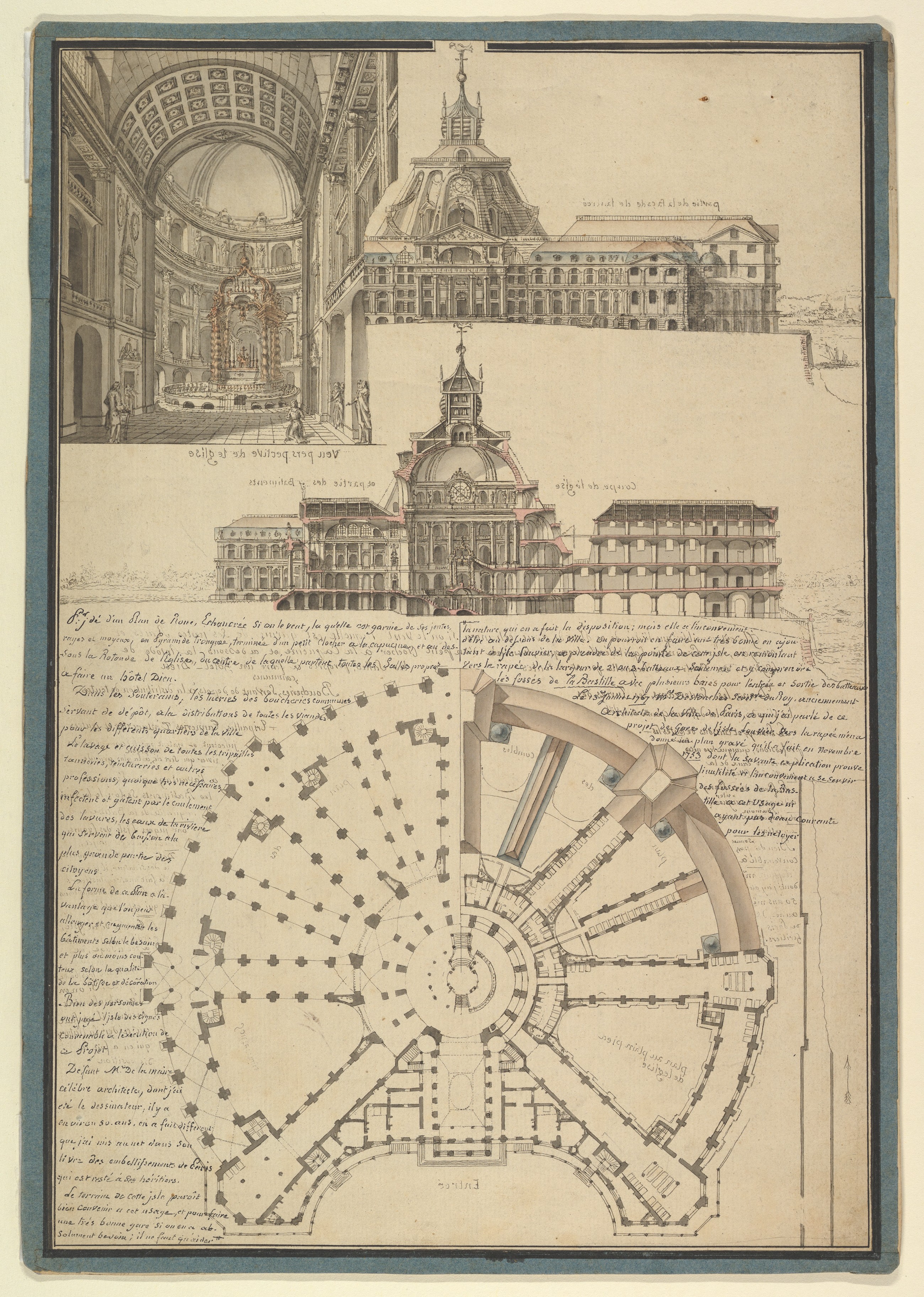
Within the hallowed archives of Natalie Fashion Atelier, the practice of aesthetic archaeology reveals a singular artifact: an architectural drawing for a chapel and hospital, executed as an etching counterproof and wash. This is not a blueprint for construction, but a ghostly impression—a reversed, softened echo of a master’s hand. The counterproof, by its nature, is a study in absence and presence, a dialogue between the original etching plate and the dampened paper that receives its ink. The subsequent wash adds depth, shadow, and a liquid aura of sanctity. For the 2026 luxury silhouette, this artifact is not a mere inspiration; it is a technical and philosophical directive. It commands a deconstruction of classical elegance into a new lexicon of volume, transparency, and architectural restraint.
The Materiality of Absence: Etching Counterproof as Silhouette Foundation
The etching counterproof is a paradoxical object: it is a print of a print, a second-generation image that possesses a unique, softened quality. The sharp, incised lines of the original etching are rendered as velvety, slightly blurred contours. This materiality directly informs the 2026 haute couture silhouette through a principle of reversed construction. Just as the counterproof inverts the composition, the new silhouette must invert traditional draping logic. The primary volume is not built outward from the body, but rather defined by a negative space—a void created by the garment’s internal architecture.
For the atelier, this translates into a series of counterproof coats. These are not structured outerwear in the classical sense. Instead, they are constructed from a single, unbroken panel of double-faced cashmere or matte silk gazar, the pattern derived from a digital scan of the chapel’s apse. The seam lines are not functional closures but are instead etched into the fabric via a technique of heat-pressed, micro-pleated channels. These channels mimic the faint, reversed lines of the counterproof, creating a subtle topography on the garment’s surface. The silhouette appears to be a ghost of a coat, its volume existing as a suggestion rather than a declaration. The shoulder line is dropped, the sleeve head is soft, and the hem is asymmetrical, echoing the irregular edge of the washed paper.
The Wash of Light and Shadow: Translating Liquid Aura into Volume
The wash applied to the architectural drawing is the second critical element. It is not a uniform color field but a gradient of sepia and grey, applied with a brush to suggest atmospheric depth, the play of light within the chapel’s nave, and the somber tranquility of the hospital ward. This wash informs the 2026 color palette and, more importantly, the gradient of opacity in the silhouette. The atelier will employ a technique of ink-dyed organza and layered tulle to replicate the wash’s effect. A single gown will transition from an opaque, ink-black bodice to a translucent, greyed-out skirt, mimicking the way the wash fades from dense pigment to a watery stain at the paper’s edge.
The silhouette itself becomes a three-dimensional wash. A column dress, for instance, is constructed from multiple layers of silk chiffon, each layer cut to a different length and dyed in a slightly different value of the same hue—from deep charcoal to pale ash. The layers are not sewn together but are anchored at the shoulder and hip by a single, invisible seam. As the wearer moves, the layers separate and recombine, creating a fluid, shifting opacity that directly references the atmospheric wash of the drawing. This is not a static garment; it is a living counterproof, a mobile study in light and shadow.
Architectural Grammar: The Chapel’s Apse and the Hospital’s Cloister
The drawing depicts two distinct architectural typologies: the chapel, with its radial apse and vertical aspiration, and the hospital, with its horizontal, cloistered logic of care and containment. The 2026 silhouette must synthesize these two opposing forces. The chapel’s apse informs the back of the garment. A ball gown, for example, will feature a cathedral train that is not a simple sweep of fabric but a structured, radial fan of horsehair braid and crinoline, echoing the ribbed vaulting of the apse. This train is not attached to the waist but is suspended from a hidden internal corset, allowing it to float behind the wearer like an architectural phantom.
The hospital’s cloister informs the front of the silhouette. The cloister is a space of measured, repetitive rhythm—columns, arches, and a central courtyard. This translates into a paneled bodice with a strict, vertical seaming that mimics the cloister’s arcade. Each panel is a different width, creating a subtle, asymmetrical rhythm. The neckline is a high, severe mandarin collar, reminiscent of the hospital’s disciplined order. The sleeves are long, narrow, and set into the armhole with a sharp, architectural crease, as if cut from a stone arch. The overall effect is one of controlled austerity, a counterbalance to the chapel’s dramatic, radial volume.
Technical Realization: The Counterproof Seam and the Wash Gradient
The atelier’s technical team has developed two proprietary techniques for the 2026 collection, directly derived from the artifact. The first is the Counterproof Seam. This is not a sewn seam but a chemical bond created by applying a solvent to the fabric’s edge, which fuses the fibers without thread. The resulting line is soft, blurred, and slightly recessed—a direct analogue to the counterproof’s reversed line. This seam is used to join the panels of the cloister bodice, creating a seamless, ghost-like construction that appears to be a single, continuous piece of fabric.
The second technique is the Wash Gradient. This is a digital-to-physical dye process where a gradient map, derived from the drawing’s wash, is used to control a robotic airbrush. The airbrush applies a water-based pigment to the garment in a single, continuous pass, creating a flawless transition from opaque to translucent. This is used on the column dress and the cathedral train, ensuring that the color gradation is not a print but a true dye, integrated into the fiber. The result is a garment that breathes with the same liquid aura as the original wash.
Conclusion: The 2026 Silhouette as an Archaeological Artifact
The architectural drawing for a chapel and hospital, rendered as an etching counterproof and wash, is not a relic of the past but a blueprint for the future of haute couture. The 2026 silhouette, as conceived by Natalie Fashion Atelier, is a direct translation of this artifact’s materiality and spatial logic. It is a counterproof of the body, a wash of light and shadow, and an architectural synthesis of the sacred and the clinical. The garment is no longer a covering but a three-dimensional archaeological fragment, a piece of aesthetic history reanimated through the most rigorous technical craftsmanship. The wearer is not a model but a curator, inhabiting a silhouette that is as intellectually rigorous as it is exquisitely elegant. This is the new classical elegance: a deconstruction that builds, a ghost that is more present than the original, and a silhouette that is, in essence, a work of architecture for the body.