Deconstructing the Classical: The Peasant Fragment as a Blueprint for 2026 Haute Couture
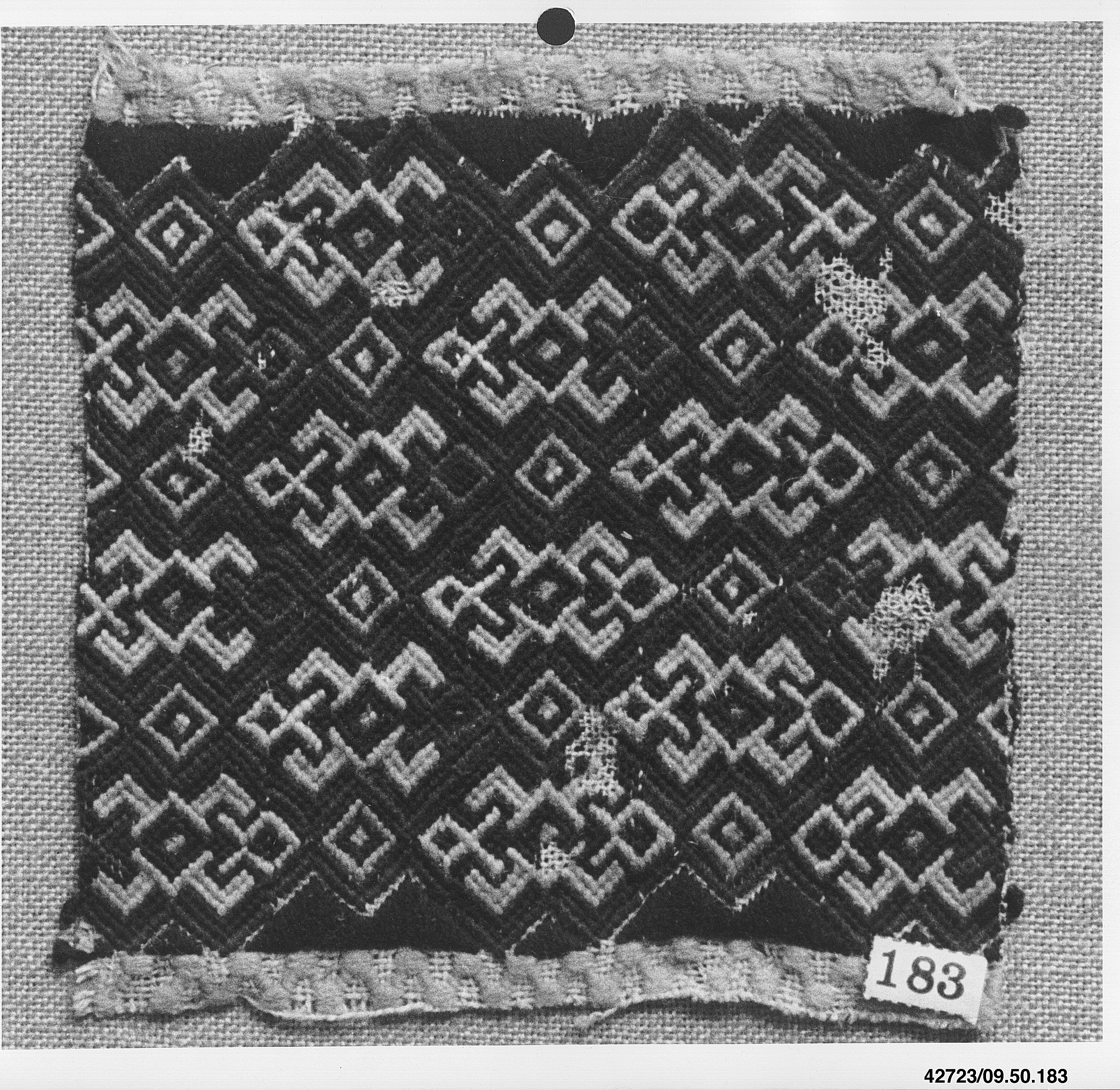
Within the hallowed archives of Natalie Fashion Atelier, a single fragment of peasant costume—a swatch of wool on canvas, isolated from its original context—serves as a profound aesthetic artifact. This remnant, devoid of provenance yet rich in material truth, challenges the contemporary notion of luxury. It is not a relic of opulence but a testament to structural necessity, functional beauty, and the raw poetry of labor. For the 2026 haute couture season, this fragment informs a radical reinterpretation of the silhouette: one that moves away from ephemeral ornamentation and toward a grounded, architectural elegance. The wool-on-canvas composite, a marriage of soft fiber and rigid support, becomes the conceptual and material foundation for a new paradigm in high-end dressmaking.
Materiality as Narrative: The Wool-on-Canvas Dialectic
The fragment’s core tension lies in its composite nature. Wool, a protein fiber known for its warmth, drape, and natural elasticity, is inherently fluid and organic. Canvas, a plain-weave fabric typically constructed from hemp or linen, is rigid, structured, and resistant. The historical peasant, in a stroke of intuitive engineering, fused these two materials. The wool provided insulation and comfort against the skin, while the canvas, often used as a backing or reinforcement, imparted shape and durability to areas of high stress—the shoulders, the elbows, the waist. This is not a decorative juxtaposition; it is a functional synthesis born of necessity.
For the 2026 atelier, this dialectic is a direct challenge to the prevailing luxury silhouette, which often prioritizes fluidity or extreme volume at the expense of structural integrity. The wool-on-canvas fragment proposes a third path: a silhouette that is both voluminous and controlled. The wool offers a sensuous, tactile surface, while the canvas provides an invisible armature. This informs a new category of couture garments—what we term “Structural Softness”—where the silhouette is not merely draped but engineered from the inside out. The canvas acts as a built-in corsetry, but one that is flexible, breathable, and integrated into the very fabric of the garment, rather than an external imposition.
Aesthetic Archaeology: Reclaiming the “Imperfect” Line
Isolated from its historical narrative, the fragment becomes a pure object of aesthetic archaeology. Its value lies not in its rarity but in its imperfections—the subtle puckering where the wool was stitched to the canvas, the uneven warp and weft of hand-spun yarn, the faded patina of natural dyes. These are not flaws to be corrected but design principles to be revered. In the context of 2026 haute couture, this translates into a deliberate embrace of asymmetry, textural contrast, and the visible trace of the hand.
The classical elegance of this fragment is not found in symmetry or polished finish, but in the honesty of its construction. The 2026 silhouette, therefore, will reject the seamless, digitally-perfected lines of mass luxury. Instead, it will celebrate the “constructed” look. Jackets will feature exposed seam allowances where the canvas meets the wool, creating a deliberate, architectural grid. Dresses will incorporate panels of wool that are allowed to drape naturally over a structured canvas base, creating a dynamic interplay of tension and release. The silhouette will be faceted—not in the sense of sharp angles, but in the way light catches the varying densities of the two materials, creating a shifting, sculptural presence.
From Fragment to Form: The 2026 Silhouette Language
How does this wool-on-canvas fragment directly inform the high-end silhouettes of 2026? We identify three key architectural principles:
1. The Armored Shoulder: The historical fragment often reinforced the shoulder area with canvas to bear the weight of carrying loads. For 2026, this translates into a new shoulder silhouette: the “Peasant’s Armature.” It is not the exaggerated, padded shoulder of the 1980s, nor the dropped, languid shoulder of recent seasons. Instead, it is a structured, slightly elevated, and asymmetrical shoulder—one that appears to have been built, not draped. The canvas is cut on the bias and fused to the wool, creating a rigid, almost architectural cap that extends slightly beyond the natural shoulder line. This gives the garment a sense of grounded power, a quiet authority that is both protective and elegant.
2. The Waist as a Tension Point: The fragment’s waist area, where the canvas was often doubled or quilted, reveals a history of physical labor. The waist was not cinched for aesthetic appeal but reinforced for function. In 2026, this principle inverts the corset. Instead of compressing the body, the “Canvas Waist” creates a structural belt integrated into the garment’s construction. A wide band of canvas, faced with wool, is inserted at the natural waistline, creating a rigid, architectural ring. Above and below this ring, the wool is allowed to fall in soft, voluminous folds. The result is a silhouette that is cinched by structure, not by tension—a visual and physical anchor that defines the form without constricting movement.
3. The Hem as a Weighted Statement: The fragment’s hemline, often left raw or simply stitched, reveals the garment’s utilitarian end. For 2026, this informs a new approach to the hem: the “Canvas Weight.” A strip of canvas is sewn into the hem of a wool skirt or coat, creating a deliberate, weighted line that causes the fabric to fall in a specific, controlled manner. This is not a decorative trim; it is a functional counterweight. The silhouette becomes grounded, with a gravity that resists the whims of air and movement. The hemline is no longer a soft, undulating edge but a defined, architectural boundary—a line of demarcation between the garment and the space it occupies.
Conclusion: The Luxury of Necessity
The peasant costume fragment, in its isolated materiality, teaches the 2026 atelier a profound lesson: true elegance is not an ornament but an outcome of necessity. The wool-on-canvas composite is a blueprint for a new luxury—one that values structural intelligence over surface decoration. The 2026 silhouettes born from this artifact will be monumental yet intimate, rigid yet yielding. They will speak not of fleeting trends but of enduring principles: the beauty of a well-built line, the poetry of a functional seam, and the quiet power of a material that knows its purpose. In the hands of Natalie Fashion Atelier, the peasant’s fragment becomes the couturier’s manifesto: a return to the classical through the lens of the essential.