The Putto Recast: Terracotta’s Tactile Legacy in 2026 Silhouettes
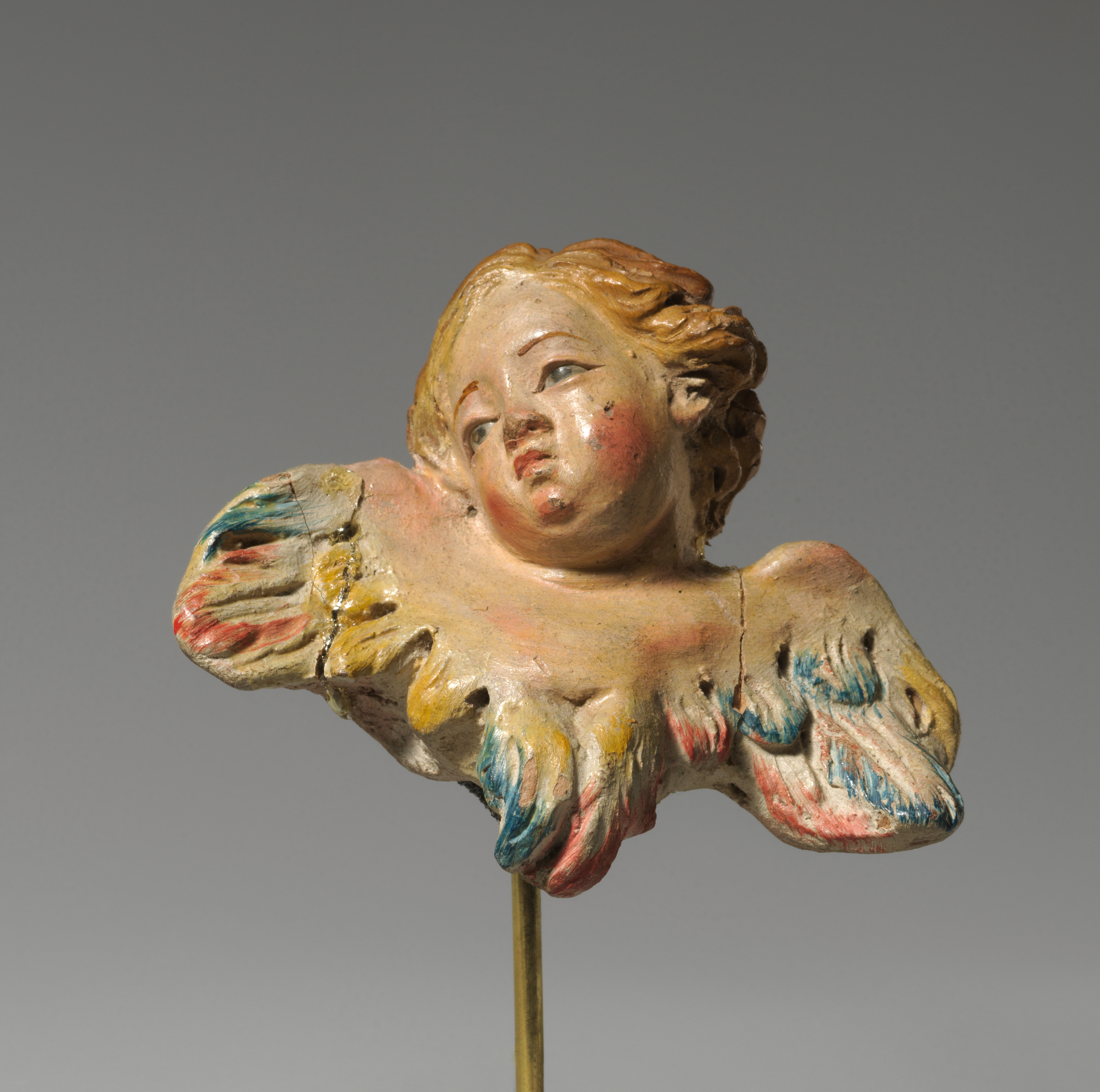
Within the isolated archive of aesthetic archaeology, the Putto—a chubby, often winged infant figure from Renaissance and Baroque ornamentation—represents a paradox of classical elegance. Typically rendered in marble or fresco, its most visceral iteration emerges in terracotta. This humble, fired-clay medium, with its porous surface and earthy patina, offers a counter-narrative to polished perfection. For Natalie Fashion Atelier, the terracotta Putto is not a literal motif but a material philosophy that informs the 2026 haute couture silhouette through texture, volume, and a deliberate unfinished quality. This research paper deconstructs how this historical artifact’s materiality and form translate into a luxury vocabulary of sculptural drape, organic rigidity, and tactile decay.
Materiality as Narrative: Terracotta’s Structural Vocabulary
Terracotta, from the Italian terra cotta (“baked earth”), is defined by its fired fragility and unvarnished surface. Unlike marble’s cold, smooth permanence, terracotta retains the fingerprint of the artisan—a slight irregularity, a crack, a subtle color variation from ochre to burnt sienna. In the context of the Putto, this medium amplifies the figure’s cherubic softness while grounding it in earthly impermanence. For 2026 silhouettes, this translates into a material-first approach where the garment’s surface becomes the primary narrative.
The key technical takeaway is controlled irregularity. Where a classical Putto’s terracotta surface might show tool marks or kiln-induced fissures, the 2026 silhouette employs hand-stitched pleating and unfinished hems that mimic these imperfections. Consider a column gown in raw silk gazar, its bodice layered with appliquéd clay-toned organza that fractures like aged ceramic. The silhouette is not clean; it is deliberately broken, with seams that trace the body like the cracks in a terracotta vase. This aesthetic archaeology rejects the sterile perfection of digital design, instead embracing the human hand as the ultimate luxury.
Volume and the Putto’s Chubby Silhouette: From Flesh to Fabric
The Putto’s iconic form—rounded limbs, a soft belly, and a disproportionately large head—offers a radical departure from the lean, elongated lines of contemporary fashion. In terracotta, these volumes are solid yet soft, a paradox of heavy material depicting buoyant flesh. For 2026, this informs a new silhouette architecture based on sculptural padding and negative space.
The terracotta Putto silhouette is translated through structured puff sleeves that echo the figure’s plump arms, rendered in a stiffened cotton-linen blend that holds its shape like fired clay. A bell-shaped skirt with internal horsehair braid creates a dome-like volume reminiscent of the Putto’s rounded torso. The key innovation is weight distribution: just as a terracotta statue’s mass is concentrated at its base, the 2026 silhouette uses asymmetric draping to anchor volume at the hip or shoulder, creating a dynamic imbalance that mimics the Putto’s playful, off-kilter poses.
This is not a literal costume. The terracotta palette—ranging from pale sand to deep umber—is applied through vegetal dyes and hand-painted gradients that mimic the clay’s natural oxidation. A corseted bodice might be constructed from terracotta-toned jacquard, its pattern woven to suggest the Putto’s dimpled flesh, while the skirt falls in unstructured pleats that recall the drapery of a Renaissance altarpiece. The silhouette is monumental yet wearable, a balance of architectural rigidity and organic flow.
Texture and Decay: The Patina of Time
Terracotta’s most potent luxury attribute is its patina—the surface wear that accrues over centuries. A Putto in a museum may display flaking pigment, mossy growth, or a smooth, polished spot where countless hands have touched it. This archaeological texture is the ultimate signifier of authenticity and history. For 2026 haute couture, this translates into surface manipulation that mimics aging and decay as a deliberate design choice.
Techniques include hand-crushing of silk velvet to create a mottled, worn effect, laser-etched cracking on leather to resemble kiln fissures, and embroidered “moss” of silk floss and metallic threads that evoke the organic growth on a garden statue. A terracotta-inspired coat might be constructed from double-faced wool, with one side left raw and frayed to simulate the rough interior of a broken clay vessel. The finish is never perfect; it is deliberately distressed, a celebration of time’s passage.
This approach challenges the luxury industry’s obsession with newness. By embedding the illusion of age into the garment’s construction, Natalie Fashion Atelier positions the 2026 silhouette as an artifact in progress—a piece that will continue to evolve with its wearer. The terracotta patina becomes a tactile memory, a connection to the Putto’s centuries of existence.
Silhouette Architecture: The Putto’s Winged Dynamic
The Putto is often depicted with wings, small and feathered, yet rendered in the same heavy terracotta. This impossible lightness—a winged being made of earth—is the central tension for 2026 silhouette design. The wing form is deconstructed into asymmetric shoulder extensions that jut outward like fractured wings, constructed from wire-supported organza that floats away from the body while maintaining a rigid edge. The tailoring is sharp, with angular darts that mimic the geometric precision of a Renaissance sculptor’s chisel.
The terracotta Putto’s gesture—often one hand raised, the other pointing—informs sleeve architecture. A single sculptural sleeve might be cut in a spiral, wrapping the arm like a terracotta ribbon, while the other remains bare, creating a visual imbalance that echoes the Putto’s playful asymmetry. The neckline is often high and architectural, framing the face like a terracotta bust, while the back is left open, exposing the spine as a structural element akin to a statue’s support.
Conclusion: The Artifact as Future
The terracotta Putto, isolated from its original Renaissance context, becomes a blueprint for material honesty in 2026 haute couture. Its fired earth teaches us that luxury is not in perfection but in the trace of the maker, the weight of time, and the tactile dialogue between body and garment. For Natalie Fashion Atelier, the 2026 silhouette is not a reproduction but a translation—a technical and poetic reimagining of classical elegance through the lens of archaeological materiality. The terracotta Putto, in its humble, cracked, and earthy form, offers the ultimate luxury: a story told in texture, a silhouette that breathes with history, and a garment that is both ancient and avant-garde.