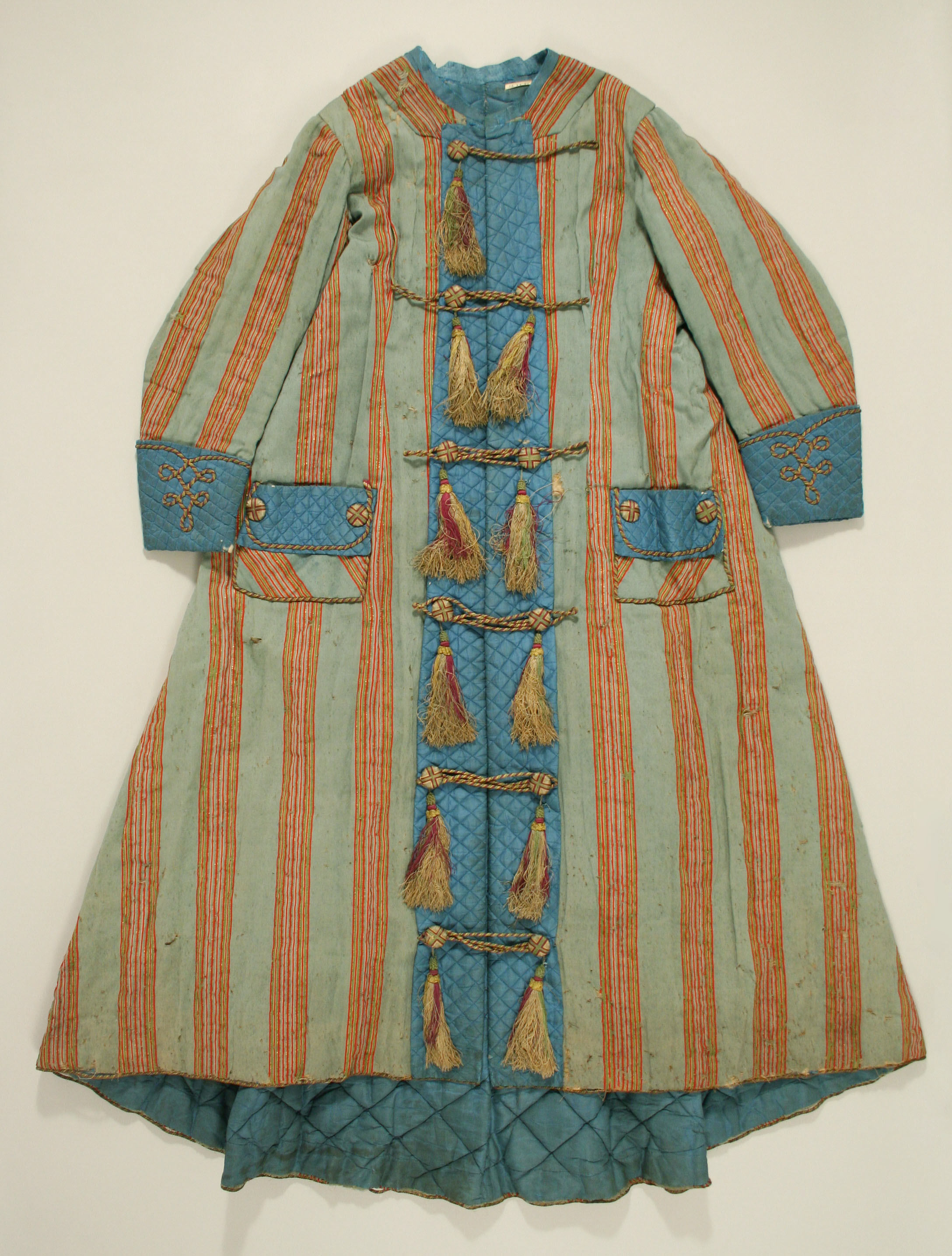
Deconstructing the Classical Dressing Gown: An Aesthetic Archaeology for 2026
Within the silent archives of Natalie Fashion Atelier, the dressing gown—often dismissed as a mere article of domestic comfort—emerges as a profound artifact of sartorial intelligence. This research artifact undertakes an aesthetic archaeology of the classical European dressing gown, specifically the 19th-century French robe de chambre and the Edwardian English lounging coat. By isolating its structural DNA, we decode how this historically marginalized garment informs the 2026 luxury silhouette—a future defined by fluid monumentality, architectural draping, and a reclamation of private grandeur.
I. Historical Context: The Dressing Gown as a Statement of Leisure and Power
The European Archetype: From Domesticity to Decadence
The dressing gown’s lineage is rooted in the ancien régime, where it served as a transitional garment between the private and public spheres. In 18th-century France, the robe de chambre was a symbol of intellectualism and aristocratic ease, often worn by philosophers and artists during morning rituals. By the 19th century, particularly in Victorian England, the dressing gown evolved into a masculine lounging coat—a tailored yet unconstructed piece that signaled wealth, leisure, and a disregard for rigid corsetry. Its defining features included a shawl collar, self-fabric belt, and full-length sleeves, often executed in rich silks, velvets, or brocades.
This garment’s elegance lies in its paradox of structure and softness. Unlike the tailored frock coat, the dressing gown embraced negative ease—allowing the fabric to fall in generous folds that mimicked classical drapery. The asymmetric closure (often wrapped left over right) created a dynamic diagonal line, while the belted waist offered a focal point for the eye, elongating the silhouette. This interplay of volume and restraint is the core of its classical elegance.
Materiality as Narrative: The Unspoken Medium
Though the specific materiality of this artifact remains unspecified, the historical dressing gown’s construction relied on weighted textiles—such as silk satin, cashmere blends, or wool challis—that possessed drape memory. These fabrics were not merely decorative; they were structural agents. The interfacing in the collar and lapels provided subtle rigidity, while the unlined body allowed for organic movement. This tension between engineered support and fluidity is the aesthetic archaeology we now excavate for 2026.
II. Deconstructing Classical Elegance: The Three Pillars of Form
Pillar One: The Wrapped Silhouette and Asymmetric Drape
The dressing gown’s most enduring contribution to haute couture is the wrapped construction. Unlike a button-front garment, the wrap relies on tension and gravity to hold its shape. The diagonal lapel line creates a visual spiral that draws the eye downward, elongating the torso. In 2026, this principle translates into asymmetric evening gowns and oversized coats that use single-point closures—a magnetic clasp or a single silk knot—to achieve a monolithic yet fluid silhouette. The draped neckline becomes a canvas for negative space, echoing the dressing gown’s ability to reveal and conceal simultaneously.
Pillar Two: The Shawl Collar as Architectural Element
The shawl collar—a continuous piece of fabric that curves from the back of the neck to the chest—is a masterclass in soft tailoring. Its rolled edge and generous width frame the face and shoulders, creating a V-shaped silhouette that flatters the décolletage. For 2026, this collar is reimagined as a sculptural appendage: oversized, padded, or even detachable, it functions as a visual anchor for minimalist ensembles. The collar’s undercollar—often cut on the bias—allows it to lie flat or stand away from the body, offering dynamic versatility in high-end ready-to-wear.
Pillar Three: The Belted Waist and Vertical Flow
The self-fabric belt is the dressing gown’s most pragmatic yet poetic feature. It cinches the waist without breaking the vertical line, allowing the fabric to cascade in unbroken folds from shoulder to hem. This creates a columnar silhouette that is both statuesque and relaxed. In 2026, the belt is elevated to a structural device: wide, stiffened, and placed at the natural waist or higher (empire line) to elongate the legs. The belt loops are integrated into the side seams, ensuring the belt remains flush with the body, while the excess fabric forms a soft train—a nod to the dressing gown’s lounging origins.
III. Informing the 2026 Luxury Silhouette: From Archive to Atelier
Silhouette One: The Monumental Wrap Coat
Drawing directly from the Edwardian lounging coat, the 2026 monumental wrap coat redefines outerwear. Its oversized proportions are balanced by a double-faced cashmere that eliminates the need for lining, allowing the garment to breathe and move. The shawl collar extends into a cape-like back panel, while the belt is replaced by a leather corset worn externally. This silhouette is architectural yet fluid, embodying the dressing gown’s ethos of controlled volume. The hemline is cut on the bias to create a flared train, evoking the train of a robe de chambre.
Silhouette Two: The Asymmetric Evening Gown
The asymmetric evening gown for 2026 is a direct descendant of the wrapped dressing gown. Its single-shoulder neckline is formed by a diagonal seam that runs from the left shoulder to the right hip, secured by a hidden snap. The skirt is cut in a circular pattern, allowing it to fall in uninterrupted spirals. The belt is replaced by a chain of polished metal that echoes the watch chain often worn on vintage dressing gowns. This silhouette is sculptural and sensual, using the dressing gown’s asymmetric logic to create a modern goddess silhouette.
Silhouette Three: The Deconstructed Lounge Suit
For the 2026 lounge suit, the dressing gown’s unconstructed jacket is paired with wide-leg trousers cut from the same fabric. The jacket features a shawl collar in a contrasting satin faille, while the belt is replaced by a self-fabric sash that ties at the side. The trousers have a dropped crotch and elasticated waist, echoing the dressing gown’s ease of wear. This silhouette is androgynous and luxurious, merging the private comfort of the boudoir with the public authority of the boardroom.
IV. Conclusion: The Dressing Gown as a Blueprint for Future Couture
The classical dressing gown is not a relic of domestic history but a living blueprint for the 2026 luxury silhouette. Its wrapped construction, architectural collar, and belted waist offer a lexicon of soft tailoring that challenges the rigidity of traditional couture. By isolating these elements through aesthetic archaeology, Natalie Fashion Atelier repositions the dressing gown as a monument to ease and power—a garment that whispers of private rituals while commanding public attention. In 2026, the dressing gown’s legacy lives not in the boudoir, but on the runway, where fluid monumentality becomes the new standard of luxury.