The Glove as Architectural Blueprint: Aesthetic Archaeology of Leather, Satin, and Lace for 2026 Haute Couture
I. Archival Excavation: The Glove as a Microcosm of Craft
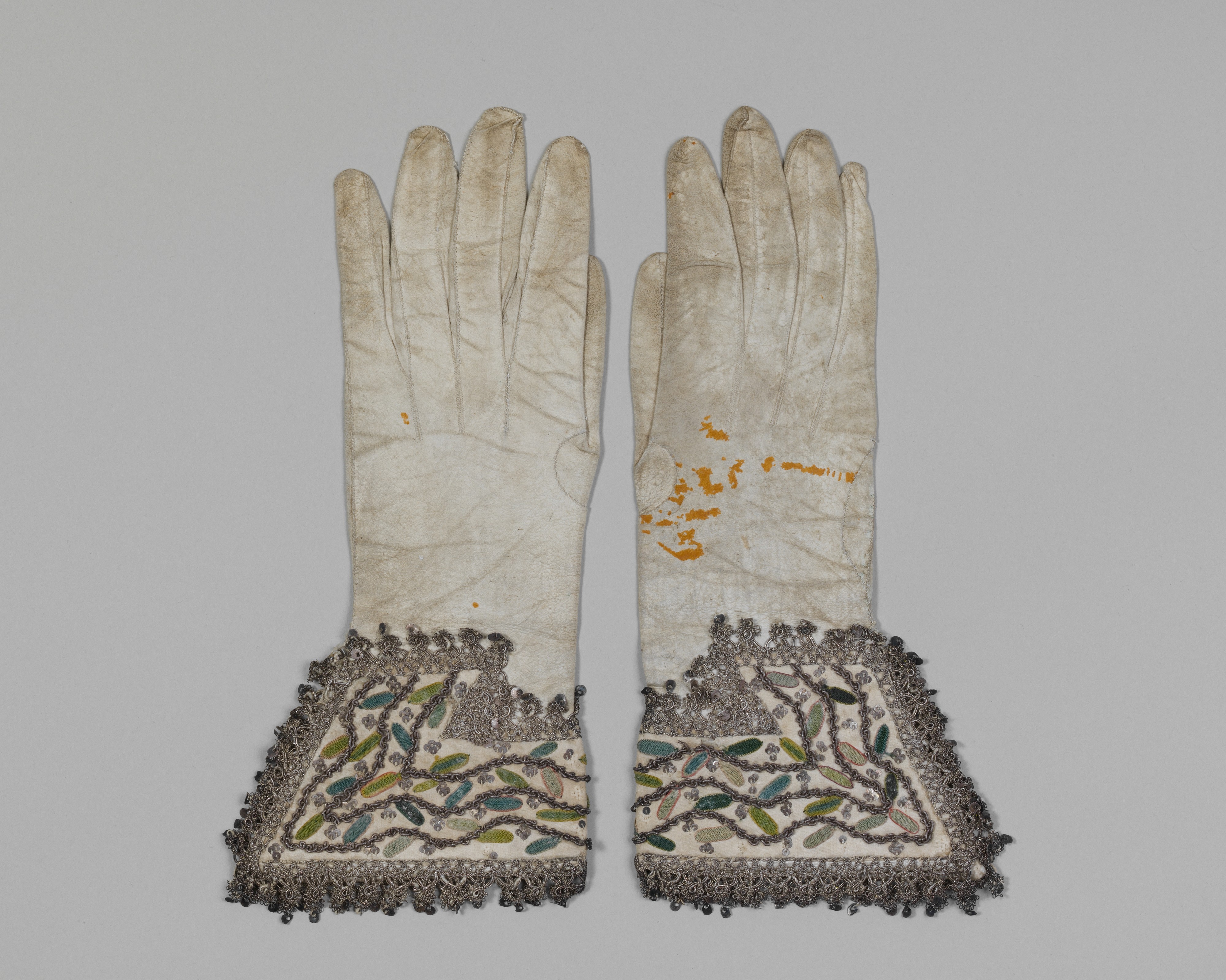
The isolated glove—severed from its pair, stripped of its utilitarian context—presents a singularly potent artifact for aesthetic archaeology. Within the Natalie Fashion Atelier archive, a single, early-20th-century evening glove, crafted from kid leather, backed in silk satin, and finished with a Chantilly lace gauntlet, serves as our primary specimen. This object is not merely an accessory; it is a compressed treatise on material hierarchy, tension, and the eroticism of concealment. The leather, a second skin, speaks to structure and restraint. The satin, a liquid interior, whispers of luxury and the body’s warmth. The lace, a fragile cage, introduces the dialectic of revelation and obstruction. For the 2026 silhouette, this triumvirate of materiality dictates a new grammar of construction: the architectural glove becomes the architectural garment.
II. Materiality Deconstructed: Leather, Satin, and Lace as Structural Lexicon
2.1. Leather: The Exoskeleton of Discipline
In the archival glove, the leather is not soft but molded. It has been painstakingly cut on the bias to follow the hand’s metacarpal architecture, then stitched with a tiny, almost invisible point. This is not a fabric that drapes; it is a fabric that holds. For 2026, this principle translates directly into the creation of integrated bodices and sculptural sleeves. The leather is no longer a separate material but a structural underlay for satin and lace. We propose a silhouette where a single, continuous piece of vegetable-tanned calfskin is laser-scored and hand-molded to form the corseted spine of a gown, from nape to coccyx. The leather provides the tension, the posture, the discipline of the line. The 2026 shoulder, for instance, will not be padded but carved from a leather armature, creating a sharp, unyielding silhouette that contrasts with the softness of the fabrics it supports. This is the exoskeleton of haute couture.
2.2. Satin: The Interior Landscape of Sensation
The satin lining of the glove is its secret. It is the material that touches the skin, the private luxury invisible to the observer. In the 2026 silhouette, satin is liberated from its role as a mere lining and elevated to a primary narrative layer. We conceive of a gown where a double-faced satin is used to create a reversible volume. The exterior, a matte, almost chalky finish, is cut in sharp, geometric panels. The interior, a high-luster charmeuse, is revealed through strategic cutouts and asymmetrical draping. This is not mere decoration; it is a material dialogue between the public and the private. The satin’s liquid weight is used to create gravity-defying folds, anchored by the leather substructure. The 2026 silhouette will feature a satin cascade that pools from a leather shoulder, creating a visual and tactile tension between the rigid and the fluid. The satin is the breath within the leather’s skeleton.
2.3. Lace: The Lattice of Light and Shadow
The Chantilly lace gauntlet of the glove is a masterpiece of negative space. It is not a solid fabric but a network of voids, a lattice that simultaneously reveals and obscures the satin beneath. For 2026, lace is re-imagined not as a trim or an overlay, but as a structural webbing. We propose a technique of laser-cut leather lace, where the architectural precision of the machine meets the organic motifs of floral and arabesque patterns. This leather lace is then bonded to a satin base, creating a composite material that is both strong and diaphanous. The 2026 silhouette will feature full panels of this composite lace, used to construct entire sleeves, bodice fronts, and even skirt trains. The effect is a third skin—a tectonic surface where light is fractured, and the body is both shielded and exposed. The lace is the archaeological trace of the hand, the fossilized gesture of the glove’s original function.
III. Silhouette Synthesis: The 2026 Collection from the Glove’s Grammar
3.1. The “Gant” Silhouette: Integrated Sleeve and Bodice
The most direct translation of the glove’s architecture is the integrated sleeve-bodice. The 2026 silhouette abandons the traditional armhole seam. Instead, the sleeve is cut as a continuous extension of the bodice, mimicking the glove’s seamless transition from hand to wrist. This is achieved through a single-pattern cut in the leather-satin composite, with the lace panel inserted at the underarm and elbow to allow for movement. The result is a sculptural, almost cyborg-like silhouette, where the arm is encased in a single, flowing line of material. The shoulder becomes a dramatic, architectural peak, while the wrist is cinched by a lace gauntlet that echoes the original artifact. This silhouette is both restrictive and liberating, a study in controlled elegance.
3.2. The “Mousquetaire” Silhouette: Layered Transparency and Opacity
Drawing from the glove’s layered construction—leather exterior, satin interior, lace overlay—the 2026 silhouette introduces a tripartite layering system. The foundation is a leather sheath dress, cut close to the body and left unlined. Over this, a satin tunic is suspended from the shoulders, its hem cut on the bias to create a liquid, asymmetrical drape. Finally, a lace duster coat in the same composite material is worn open, its edges frayed to reveal the satin beneath. This Mousquetaire silhouette is a study in depth and texture, where each layer modifies the perception of the one below. The 2026 woman is armored in layers of history, each one a reference to the glove’s original material hierarchy.
3.3. The “Gant de Soirée” Silhouette: The Evening Gown as Extended Glove
The ultimate expression of this archaeological approach is the evening gown as a full-body glove. The silhouette is a single, continuous line from the neck to the floor, constructed from the same leather-satin-lace composite. The bodice is molded leather, fitted with invisible boning. The skirt is a double layer of satin and lace, with the lace cut to follow the grain of the satin, creating a moire effect. The hem is finished with a lace scallop, reminiscent of the glove’s gauntlet. This gown is not worn; it is inhabited. It is the ultimate artifact, a living archive of the hand’s gesture, translated into a full-body architecture. The 2026 silhouette is, therefore, not a mere garment but a material thesis on the enduring power of classical elegance, deconstructed and rebuilt for a new era of luxury.
IV. Conclusion: The Glove as Genesis
The isolated glove, in its material specificity—leather, satin, lace—provides a complete design language for the 2026 haute couture silhouette. It is a lesson in tension and release, structure and fluidity, concealment and revelation. By treating this archival artifact as a blueprint, Natalie Fashion Atelier transcends mere historical reference. We create a new canon of construction, where the hand’s intimate architecture informs the body’s grandest silhouette. The 2026 collection is not a return to the past; it is a reconstruction of the future, forged from the fragments of a single, perfect glove.