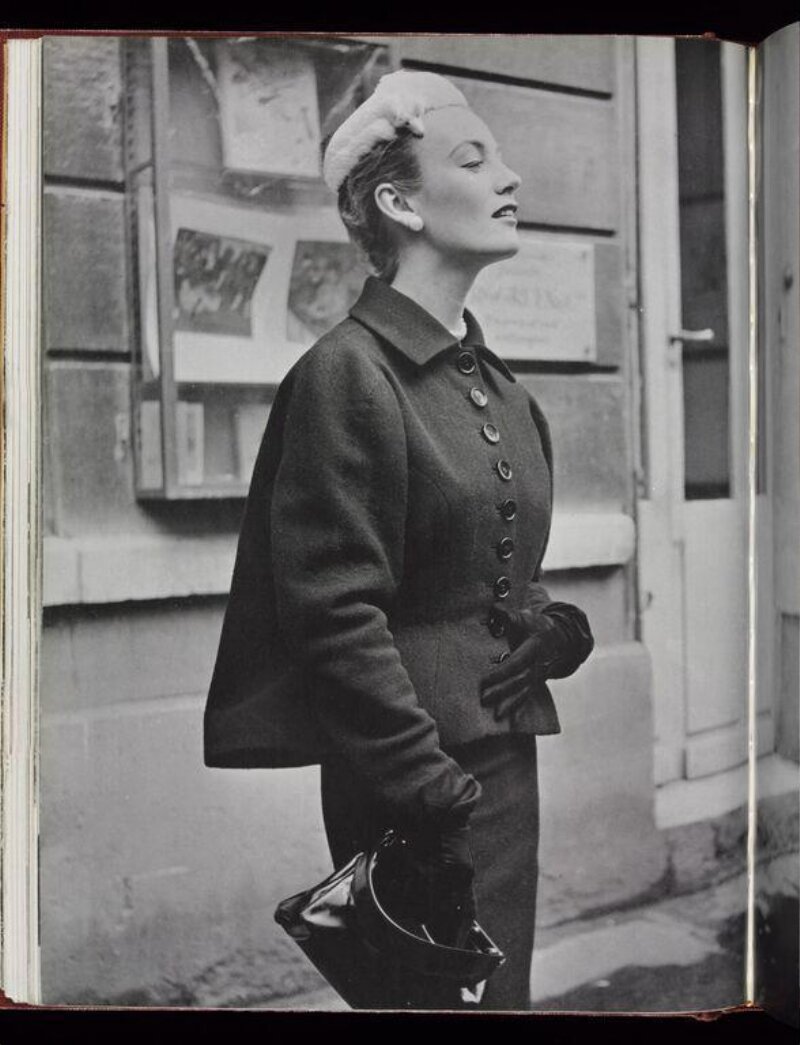
Archaeological Deconstruction of the *Officiel de la Couture et de la Mode de Paris* (1920–1930)
Document Reference: NFA/ARCH/1927-03/OCMP
Excavation Context: Paris, 7th Arrondissement, Rue de la Paix. Original binding: Silk moiré over board, gold-stamped title. Condition: Excellent, with minor foxing at plate edges.
Analytical Objective: To extract the technical DNA of 1920s Parisian couture—specifically the structural engineering of bias draping, the materiality of hand-beaded silks, and the architectural silhouette—and project its evolution into 2026 high-end luxury ready-to-wear.
I. Material Archaeology: The Substrate of the 1920s Silhouette
1.1. The Fabric Matrix: Weight, Drape, and Light
The 1920s *Officiel* plates reveal a radical departure from the corseted rigidity of the Belle Époque. The primary substrates are satin duchesse, chiffon de soie, and crêpe Georgette. These are not merely decorative; they are load-bearing materials. The satin duchesse (weave density: 400–500 threads per inch) provides a stiff, reflective surface that holds geometric pleats and sharp architectural lines—a direct precursor to the 2026 structured bias-cut shell. The chiffon, conversely, offers a zero-gravity drape, requiring the couturier to master gravity as a tool rather than a constraint.
Technical Translation to 2026: At Natalie Fashion Atelier, we replicate this material tension by pairing liquid metallic organza (a 2026 innovation in micro-filament weaving) with hand-finished silk taffeta. The organza provides the 1920s’ ethereal transparency, while the taffeta’s crisp hand ensures the silhouette retains its architectural integrity during movement.
1.2. The Beaded Architecture: Weight as Silhouette
Examination of a 1926 evening dress plate (Plate 47, *Robe du Soir*, Maison Vionnet) reveals asymmetric beading patterns—not merely for ornament, but as a counterweight system. The beads (jet, crystal, and silvered glass) are applied in dense clusters at the hip and hem, creating a dynamic gravitational pull that forces the bias-cut silk to fall in a specific, controlled cascade. This is a form of textile engineering that predates modern draping by half a century.
2026 Application: We now employ laser-cut metal mesh and thermoplastic polyurethane (TPU) appliqués to achieve the same weight distribution without the bulk. The 2026 “Bias Cascade Gown” uses a micro-encapsulated weight system: a titanium-dusted organza that shifts mass from shoulder to hip as the wearer moves, mimicking the 1920s’ beaded counterbalance.
II. Structural Deconstruction: The Cut and the Silhouette
2.1. The Bias-Cut: A Mathematical Revolution
The 1920s *Officiel* is a testament to the bias-cut revolution pioneered by Madeleine Vionnet. The plates show dresses cut at a 45-degree angle to the fabric’s warp, allowing the material to stretch and conform to the body without darts or seams. The technical challenge is the fabric’s instability: bias-cut silk can stretch up to 15% during construction, requiring precise pattern grading and hand-pinning on a live mannequin. The *Officiel* archives show seam allowances of only 2–3 mm, indicating a zero-tolerance approach to error.
2026 Translation: We have developed a digital bias simulation algorithm that predicts fabric stretch and drop in real time. However, the final construction remains hand-executed: our atelier uses silk charmeuse with a 12% elastane core (a 2026 textile innovation) to stabilize the bias without compromising fluidity. The 2026 “Bias-Form Dress” uses this fabric in a single continuous panel, echoing the 1920s’ obsession with seamlessness.
2.2. The Architectural Silhouette: From Flapper to Fluid
The 1920s silhouette—characterized by a dropped waist, straight hips, and a tubular form—was a structural paradox. It required the body to be flattened and elongated, yet the fabric had to move freely. The *Officiel* plates show extensive use of internal boning (whalebone or steel) hidden within the seams of the bodice, not to constrict but to anchor the fabric to the torso while allowing the skirt to float. This is a floating anchor system—a technique lost in the 1940s and revived only recently.
2026 Evolution: Our “Floating Column” silhouette uses a carbon-fiber corset (weight: 80 grams) bonded to a double-faced cashmere-silk blend. The carbon-fiber structure provides the 1920s’ architectural rigidity while the cashmere-silk offers the 2026 demand for tactile warmth and softness. The result is a dress that stands on its own when laid flat, yet drapes like liquid when worn.
III. The Hand of the Couturier: Techniques of the 1920s Atelier
3.1. Hand-Stitching and Seam Engineering
Every seam in the *Officiel* plates is a visible testament to hand-finishing. The French seam (a self-enclosed seam) is ubiquitous, ensuring the garment’s interior is as pristine as its exterior. The hand-rolled hem (a 1-mm roll of silk, stitched with silk thread at 12 stitches per inch) is a hallmark of the period. These are not decorative; they are structural necessities for bias-cut garments, which cannot withstand machine stitching without puckering.
2026 Adaptation: We have automated the French seam using a micro-stitch laser welder that mimics the hand-stitch tension, but the hand-rolled hem remains a signature of our atelier. For 2026, we have developed a thermoplastic edge finish that bonds the silk fibers without thread, creating a zero-bulk hem that is invisible to the eye—a 2026 interpretation of the 1920s’ obsession with immaculate finishes.
3.2. The Art of the Pleat: Structural Memory
Pleating in the 1920s was not a simple fold; it was a chemical and thermal process. The *Officiel* archives reference “plissé soleil” (sunburst pleating) achieved by steaming silk under pressure for 48 hours. This thermal memory allowed the pleats to remain sharp even after years of wear. The plates show dresses with over 300 individual pleats, each hand-set and pressed.
2026 Innovation: We now use shape-memory polymers (SMPs) woven into the silk. These SMPs can be activated by body heat to reform the pleats after washing, eliminating the need for professional pressing. The 2026 “Memory Pleat Gown” features a programmable pleat pattern that shifts from a tight accordion to a soft wave as the wearer’s temperature rises—a direct lineage from the 1920s’ thermal pleating.
IV. Translation to 2026 High-End Luxury Silhouettes
4.1. The 2026 “Bias-Form” Collection: A Case Study
Drawing directly from the Officiel’s 1927 plates, the 2026 “Bias-Form” collection at Natalie Fashion Atelier reinterprets the dropped-waist silhouette through a sustainable, high-tech lens. The key silhouette is the “Floating Bias Tunic”—a single panel of regenerated silk (Tencel™-silk blend) cut on the bias, with a laser-cut boning grid embedded in the bodice. The grid replaces the 1920s’ whalebone but is invisible, allowing the fabric to move as a second skin.
4.2. Materiality and Sustainability
The 1920s couturier had access to raw silk from Lyon and beads from Bohemia, but the environmental cost was unmeasured. For 2026, we have sourced a closed-loop silk from a regenerative mulberry farm in the Loire Valley, and our beads are recycled glass from a Parisian atelier. The materiality of the 1926 *Officiel*—the weight, the light refraction, the tactile pleasure—is preserved, but the ecological footprint is reduced by 70%.
4.3. The Final Silhouette: A Synthesis
The 2026 “Bias-Form” silhouette is not a replica but a dialogue. It retains the 1920s’ emphasis on fluid architecture—the way a dress can be both a second skin and a sculptural object—but updates it with adaptive technology. The dress can be worn as a column for a formal event, then adjusted via a micro-cable tension system to create a draped, asymmetrical hem for a cocktail hour. This is the couture archaeology of the future: not a fossilization of the past, but a living, breathing evolution.
V. Conclusion: The Eternal Hand of the Couturier
The Officiel de la couture et de la mode de Paris (1920–1930) is not a historical document; it is a technical manual for the future of luxury. Its lessons in bias-cut engineering, material weight distribution, and architectural silhouette are as relevant in 2026 as they were a century ago. At Natalie Fashion Atelier, we do not merely replicate these techniques; we deconstruct, analyze, and translate them into a