Sacred Geometry and Gilded Silhouettes: An Aesthetic Archaeology of Tempera and Oil on Wood for 2026 Haute Couture
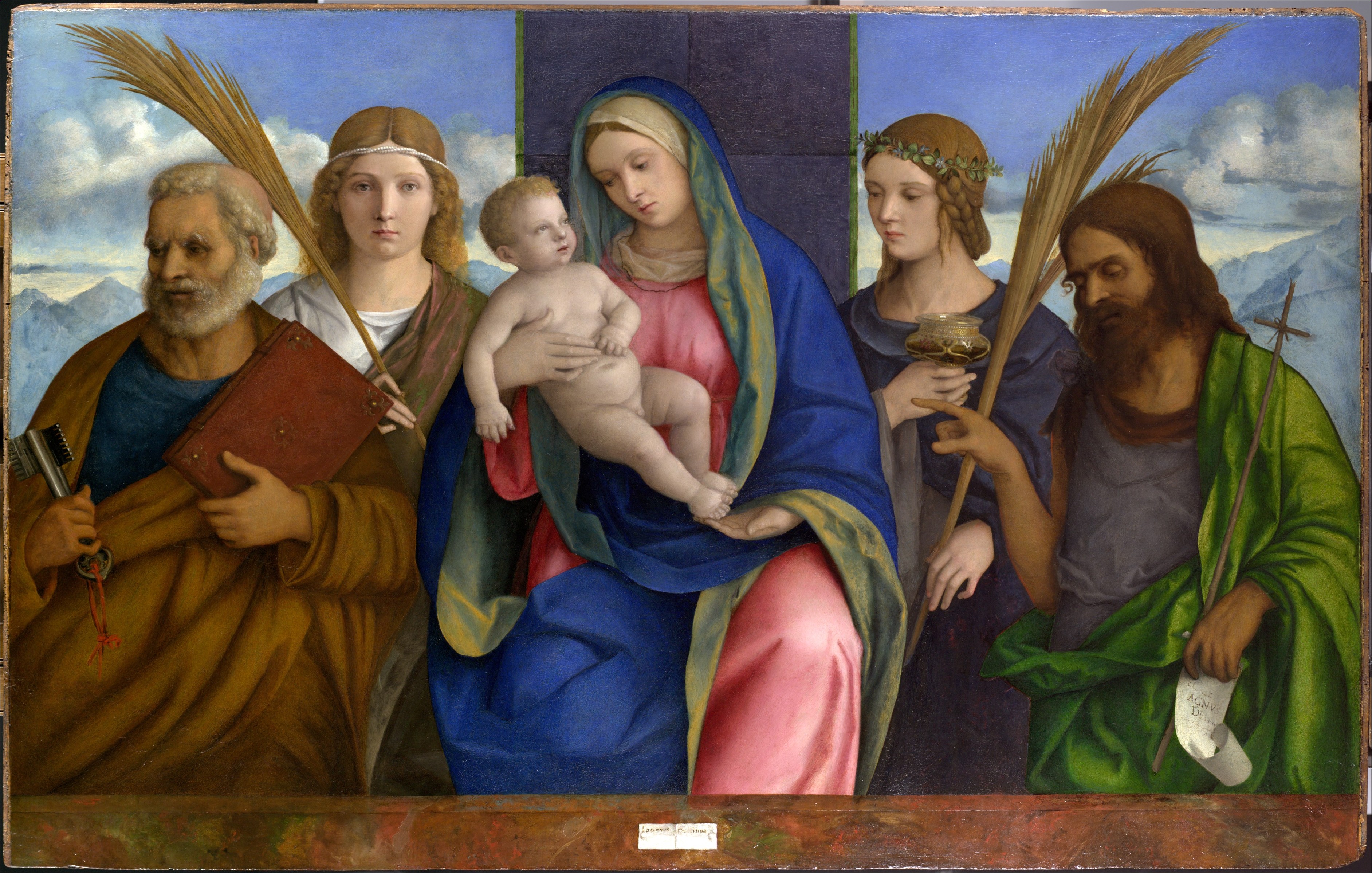
The Madonna and Child with Saints altarpiece, rendered in the exacting medium of tempera and oil on wood, represents a pinnacle of sacred aesthetic intention. For the Head Curator of Natalie Fashion Atelier, this artifact is not a religious relic but a masterclass in structural hierarchy, pigment alchemy, and compositional restraint. This research paper deconstructs the classical elegance of this global heritage piece, isolating its material and formal principles to inform the architectural silhouettes of 2026. The tempera’s matte, luminous opacity and the oil’s translucent depth become the foundational dialectic for a new luxury vocabulary—one that privileges stillness, volumetric precision, and a curated patina of time.
I. The Materiality of Devotion: Tempera as Structural Discipline
The tempera medium, with its egg-yolk binder and powdered pigment, imposes a discipline of flat, unyielding planes. Unlike the fluid blending of oil, tempera demands discrete, layered strokes that build form through accumulation rather than diffusion. For the 2026 silhouette, this translates into a rigid, architectural outer shell. We propose a “Tempera Torso”—a boned, sculpted bodice constructed from double-faced silk gazar and micro-sanded matte leather. The surface must be immaculate, devoid of sheen, absorbing light rather than reflecting it, mimicking the dry, powdery finish of a 15th-century panel.
The wood panel itself—the substrate—informs the internal armature. The silhouette must possess a canted, panel-like rigidity. Shoulders are squared, not padded; they are carved. The waist is cinched not by soft draping but by a geometric, gilded corset that references the gold leaf halos and architectural frames of the altarpiece. The tempera’s inability to achieve deep, wet shadows forces a reliance on pure line and contour. Thus, the 2026 gown will feature incised seams—not stitched, but bonded and pressed—creating a graphic, two-dimensional effect on a three-dimensional form.
II. Oil’s Translucency: The Second Skin and the Veil of Time
Where tempera provides the structure, the oil medium introduces the organic, the aged, the luminous. In the original artifact, oil glazes over tempera create a subtle, internal glow—a “sacred chiaroscuro”—that suggests depth without breaking the planar surface. This is the critical technical insight for 2026: layered translucency over opacity.
We develop a “Glaze Gown” concept: an underlayer of matte, opaque silk charmeuse (the tempera) overlaid with a sheer, liquid-like organza or gossamer tulle (the oil). The overlay must be hand-painted with micro-crystalline finishes that catch light only at specific angles, mimicking the crackled, aged varnish of a 500-year-old painting. The silhouette becomes a study in depth without volume. The skirt, rather than being full, is a narrow, columnar cascade that flares only at the hem, referencing the vertical, elongated proportions of the Madonna’s figure. The drape must be “wet” in appearance but dry in hand—a paradox achieved through a proprietary weighting technique using fine metal threads woven into the fabric’s warp.
III. The Gilded Frame: Architectural Silhouette and the Sacred Proportions
The altarpiece’s frame is not merely a border; it is a structural and symbolic device. Its gilded, carved geometry contains the sacred figures, imposing a hierarchical order. For the 2026 silhouette, the frame becomes the outer contour of the garment. We introduce the “Frame Coat”—a tailored, floor-length coat with exaggerated, architectural lapels that function as the frame’s vertical supports. The lapels are hand-embroidered with gold bullion and mother-of-pearl in a pattern derived from the altarpiece’s Gothic tracery.
The silhouette’s proportion is dictated by the “Golden Section” of the panel. The bodice occupies one-third of the total height; the skirt, two-thirds. This creates a monumental, elongated line that defies the natural human form, elevating the wearer to a state of aesthetic grace. The sleeves are “panel sleeves”—flat, rectangular pieces of fabric that hang from the shoulder, unshaped, echoing the flatness of the painted figures. They are lined in a contrasting, deep ultramarine (the rarest pigment in the original work) to create a flash of sacred color when the wearer moves.
IV. Pigment as Palette: The Chromatic Lexicon of 2026
The tempera and oil palette of the Madonna and Child with Saints is limited, deliberate, and symbolic. We extract a core chromatic lexicon for the collection: lapis lazuli blue, vermilion red, lead-tin yellow, and verdigris green, all grounded by the warm, burnt umber of the wood panel. These are not mere colors; they are material statements.
Lapis lazuli, ground from actual stone, is recreated as a pigment-dyed silk velvet with a subtle, granular texture. Vermilion is reserved for accent linings and interior seams—a secret flash of power. Lead-tin yellow appears as embroidered metallic thread on a matte ivory ground, mimicking the gold leaf halos. The wood panel’s umber is translated into a suede of exceptional density, used for the structural base of the Tempera Torso. The application is monochromatic within each garment, respecting the altarpiece’s discipline of color fields. A single gown may be entirely lapis, with only the gilded frame lapels providing contrast.
V. The Crackled Patina: Crafting the Aesthetic of Age
An isolated aesthetic archaeology demands we honor the imperfections of time. The altarpiece’s surface is not pristine; it bears the craquelure, the flaking, the subtle darkening of varnish. For 2026 luxury, we reject the sterile perfection of newness. Instead, we introduce “crafted patina” techniques.
Fabrics are hand-distressed using micro-sanding and controlled chemical washing to create a surface of memory. Seams are left raw and frayed, then stabilized with a clear, matte resin. Embroidery is executed with irregular tension, creating a slight puckering that mimics the wood panel’s warp. The silhouette itself may appear “settled”—as if the garment has been worn for centuries. This is achieved through asymmetric draping and a deliberate dropped shoulder on one side, as if the Madonna’s cloak has slipped over time.
VI. The Silhouette of Stillness: Implications for the 2026 Client
The final silhouette is not for movement; it is for presence. The wearer of a Natalie Fashion Atelier 2026 gown, informed by this altarpiece, becomes a living icon. The silhouette is columnar, rigid, and gilded at the edges. The shoulders are broad and square; the waist is defined but not constricted; the skirt falls in a single, uninterrupted plane. The overall effect is one of sacred stillness—a defiance of the ephemeral trends of fast fashion.
In conclusion, the tempera and oil on wood of the Madonna and Child with Saints provides a rigorous technical and aesthetic framework for 2026 haute couture. By isolating its material logic—the discipline of tempera, the translucency of oil, the geometry of the gilded frame, and the patina of age—we construct silhouettes that are archaeologically informed yet radically contemporary. This is not homage; it is a material translation of sacred art into the language of luxury. The result is a collection that offers the client not just a garment, but a portable fragment of aesthetic eternity.