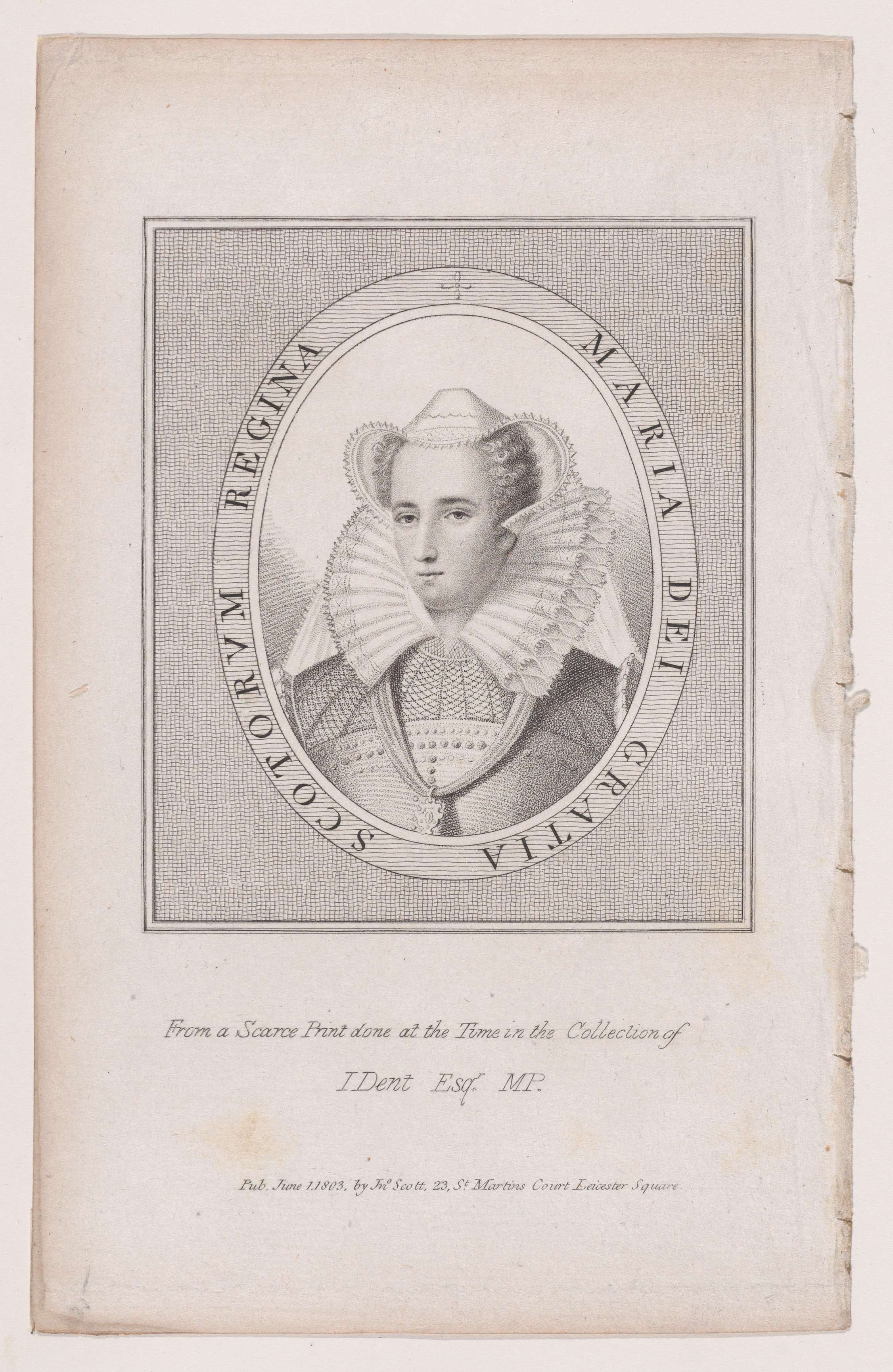
Stipple Engraving and the Silhouette of Sovereignty: An Aesthetic Archaeology of Mary, Queen of Scots
Within the isolated archive of aesthetic archaeology, the visual legacy of Mary, Queen of Scots presents a paradox of restrained opulence and tragic linearity. For the 2026 haute couture collection at Natalie Fashion Atelier, we deconstruct not the historical figure herself, but the technical and visual grammar of her most enduring representations: the stipple engravings of the late 16th and early 17th centuries. These prints, characterized by their meticulous dot-based tonal modeling, offer a unique materiality that transcends mere portraiture. They are a study in controlled texture, luminous contrast, and the architectural precision of fabric. This research artifact isolates the stipple engraving’s core principles—pointillist depth, chiaroscuro drapery, and the tension between rigidity and flow—to inform the structural silhouettes of 2026.
The Materiality of the Dot: Translating Stipple into Textile Architecture
The stipple technique, a laborious process of incising thousands of minute dots into a copper plate, creates a surface that is neither purely line nor pure wash. It is a field of accumulated energy. For the 2026 silhouette, this translates directly into a new material language. We are not replicating the engraving; we are engineering the process of its creation into fabric. Consider a double-faced wool crepe where one side is treated with a micro-embossed, dot-matrix pattern. This is not a print; it is a tactile stipple. The dots are raised, catching light like the burrs of a copper plate, creating a subtle, non-repeating texture that shifts with movement. This fabric becomes the foundation for a ‘dot-drape’—a silhouette where the garment’s volume is built not from seams, but from the accumulation of these micro-textures, echoing the engraving’s build-up of tonal value.
Furthermore, the stipple’s ability to model form through density of dots—dense clusters for shadow, sparse for highlight—informs the gradient construction of the 2026 silhouette. We propose a gown where the opacity of the textile is engineered in a gradient. The bodice, representing the highest density of stipple (deep shadow), is constructed from a heavy, matte satin with an almost black, crushed texture. As the silhouette descends into the skirt, the fabric transitions through a series of laser-cut perforations of varying diameters, mimicking the stipple’s tonal gradation. The skirt becomes a luminous field of light and void, a direct translation of the engraving’s dot matrix. The silhouette is no longer a shape; it is a tonal volume.
Chiaroscuro Drapery: The Architecture of Rigidity and Flow
Mary Stuart’s portraits often depict her in a state of controlled tension—a rigid, almost architectural farthingale beneath a soft, flowing overskirt. The stipple engraving captures this duality with exceptional clarity. The dots render the stiff, jewel-encrusted bodice with a crisp, almost metallic precision, while the softer folds of the skirt are suggested through a looser, more diffuse dot pattern. For 2026, this informs a silhouette of structural chiaroscuro. We deconstruct the classical farthingale into a modern, articulated armature. Imagine a bodice constructed from lacquered, sculpted leather panels, each panel engraved with a stipple pattern of varying density. This creates a hard, reflective surface that traps and scatters light, a direct echo of the engraved plate’s metallic sheen.
This rigid upper structure is then juxtaposed with a skirt of liquid metal organza, woven with fine copper threads. The skirt is not cut in a traditional A-line; instead, it is engineered as a series of disconnected, floating panels, each one a ‘dot’ in the larger composition. The movement of the wearer causes these panels to shift, creating a dynamic, ever-changing field of reflection and shadow. This is not drapery in the classical sense; it is kinetic stipple. The silhouette is a living engraving, where the rigid, dot-defined structure of the bodice anchors the fluid, dot-like panels of the skirt, creating a dialogue between the fixed and the ephemeral—a direct echo of Mary’s own historical narrative of rigid power and tragic flow.
The Collar of Authority: The Ruff as a Structural Motif
No element of Mary Stuart’s iconography is more potent than the ruff. In stipple engravings, the ruff is rendered with extraordinary precision—each pleat a series of meticulously placed dots, creating a halo of intricate, repetitive geometry. For the 2026 silhouette, the ruff is deconstructed and monumentalized. It is no longer a collar; it becomes a structural exoskeleton. We propose a ‘stipple ruff’ constructed from laser-cut, rigidized silk organza. Each pleat is a separate, petal-like element, individually cut with a stipple pattern that varies in density from the center to the edge. These petals are then mounted on a lightweight, carbon-fiber armature that extends from the shoulders, creating a dramatic, architectural halo that frames the face.
This exoskeleton is not merely decorative; it defines the silhouette’s negative space. The ruff becomes a device for controlling the viewer’s gaze, creating a zone of intense visual focus around the wearer’s head and shoulders. The rest of the silhouette is deliberately simplified—a column of matte, unadorned crepe—allowing the stipple ruff to function as the sole locus of material complexity. This is a radical act of aesthetic archaeology: we are isolating the most iconic element of the engraving and elevating it to the status of primary architectural structure. The 2026 silhouette is thus defined by this tension between the monumental, dot-defined collar and the pure, unbroken vertical of the body.
Conclusion: The 2026 Silhouette as a Stipple Field
The final synthesis of this research is a silhouette that functions as a three-dimensional stipple field. The garment is not a single object but a composition of thousands of individual ‘dots’—be they micro-embossed textures, laser-cut perforations, or floating fabric panels. The classical elegance of Mary, Queen of Scots is not reproduced; it is re-encoded through the material logic of the stipple engraving. The 2026 collection for Natalie Fashion Atelier will present a silhouette that is simultaneously rigid and fluid, opaque and luminous, historical and radically contemporary. It is a testament to the power of aesthetic archaeology to uncover not just a past aesthetic, but a technical and philosophical blueprint for the future of haute couture form.