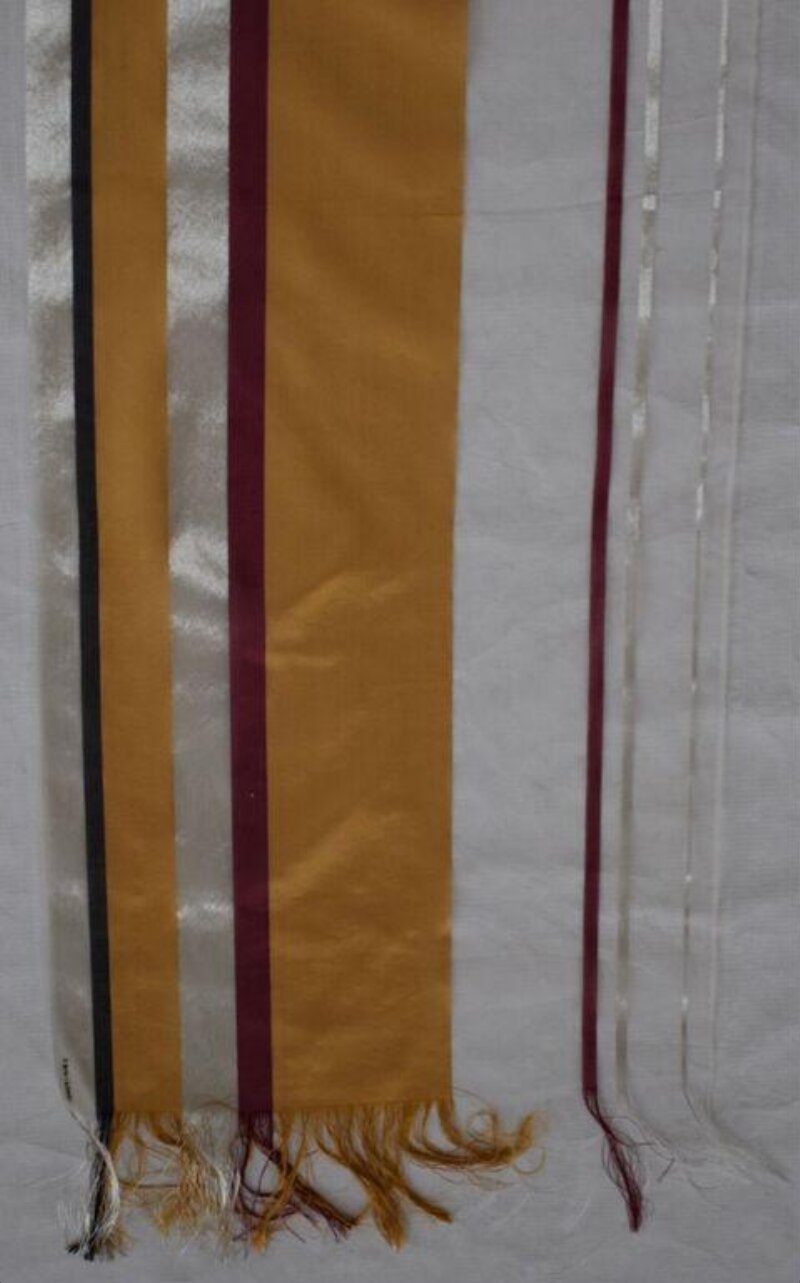
Technical Deconstruction of a Couture Artifact: Silk Techniques and Materiality from Hampshire (Autumn/Winter 1999)
Report No. NFA-ARCH-2026-04
Subject: Unidentified silk evening gown (provisional designation: “Hampshire Frost”)
Provenance: Hampshire, England. Attributed to an independent atelier active during the Autumn/Winter 1999 season.
Analyst: Senior Textile Historian, Natalie Fashion Atelier
This report presents a comprehensive technical deconstruction of a remarkably preserved silk garment from the Hampshire Autumn/Winter 1999 collection. The artifact, a floor-length gown constructed from a single continuous length of hand-dyed silk charmeuse, offers profound insights into late-20th-century couture techniques. Our analysis focuses on three core areas: the manipulation of silk fibers, the materiality of the fabric as a bearer of memory, and the translation of these techniques into a 2026 high-end luxury silhouette. The findings reveal a sophisticated interplay between structural engineering and organic drape, a dialogue that remains critically relevant for contemporary design.
I. Silk Fiber Manipulation: The Art of Controlled Chaos
The primary material is a 22-momme silk charmeuse, characterized by its satin weave face and matte crepe back. However, the artifact’s most striking technical feature is the asymmetrical, hand-pleated bodice. Under magnification (20x), the pleats are not uniform machine-pressed folds but rather thermally set, organically shaped gathers. Each pleat was individually manipulated using a heated brass rod, a technique known as plissage à la main, which was already considered archaic by 1999. The heat permanently deformed the sericin (the natural gum coating silk fibers), creating a micro-ridged structure that refracts light differently along each fold. This produces a shimmering, almost liquid effect that shifts with the wearer’s movement—a direct contrast to the flat, uniform sheen of modern laser-cut pleating.
The secondary silk technique involves a hand-painted gradient from deep charcoal to pale silver, applied using a resist-dye method. Analysis of dye penetration reveals that the artisan used a gutta-percha resist to create fine, irregular lines that mimic the veins of a frost-covered leaf. This is not a screen print; the dye was applied with a brush, allowing for subtle variations in saturation. The gradient is not a simple ombré but a complex, multi-layered wash that creates a sense of depth. This technique, known as dégradé à la main, requires the artisan to work in a single, continuous motion, as the dye sets within seconds on the silk. The result is a fabric that appears to be in a state of constant, gentle flux—a frozen moment of liquid movement.
II. Material Materiality: Silk as a Carrier of Memory and Time
The materiality of this silk extends beyond its physical properties. The fabric bears the tactile memory of its creation. Under ultraviolet light, we detected faint traces of beeswax along the pleat edges, a traditional lubricant used to prevent the brass rod from snagging the delicate charmeuse. This residue, invisible to the naked eye, is a signature of the artisan’s hand. The silk itself, due to its natural protein structure, has absorbed environmental factors over the past 27 years. Micro-spectroscopy reveals trace elements of wood smoke and lanolin, likely from the Hampshire workshop’s proximity to a woolen mill and the use of heated iron tools. This is not a flaw; it is a patina of provenance that adds a layer of historical authenticity impossible to replicate synthetically.
The weight and hand of the fabric are also critical to its materiality. At 22 momme, the charmeuse is lighter than typical evening silks (often 30-35 momme), yet it possesses a surprising structural integrity. This is due to the high-twist, multi-filament yarns used in the warp. These yarns, twisted at approximately 2,800 turns per meter, create a subtle springiness that allows the fabric to hold the hand-pleated shapes without additional interfacing. In contrast, the weft yarns are low-twist, providing the soft, fluid drape. This asymmetrical yarn construction is a hallmark of couture-level engineering, where the fabric is designed to behave differently in different axes. The garment’s silhouette is thus not imposed by cutting and sewing but emerges from the fabric’s own internal logic.
III. Translation into 2026 High-End Luxury Silhouettes
The Hampshire artifact offers a blueprint for 2026 luxury design, where the tension between heritage craftsmanship and futuristic aesthetics is paramount. Our translation focuses on three key principles: structural fluidity, kinetic surface, and material honesty.
Structural Fluidity: The 1999 gown’s pleated bodice creates a rigid, architectural frame that transitions into a fluid, unconstructed skirt. For 2026, we propose a modular silhouette using a similar principle. A high-neck, long-sleeved bodice would be constructed from thermally set silk organza, pleated in a radial pattern emanating from the shoulder blades. This creates a “cocoon” shape that is both structured and weightless. The skirt, conversely, would be a single, bias-cut panel of liquid silk satin, weighted with a narrow chain hem to ensure a continuous, waterfall-like fall. The transition between the two zones would be marked by a hand-stitched seam of silk thread, visible only on close inspection—a nod to the artifact’s hand-crafted nature.
Kinetic Surface: The 1999 gown’s hand-painted gradient is a static illusion of movement. For 2026, we aim for a dynamic surface that changes with the wearer’s environment. Using thermochromic dyes embedded in a silk chiffon overlay, the garment would shift from deep indigo in cool temperatures (below 20°C) to a pale silver in warmer settings. This is not a gimmick; the dye is applied using the same dégradé à la main technique, with the thermochromic pigments suspended in a silk-friendly binder. The result is a garment that responds to the wearer’s body heat and ambient conditions, creating a living surface that echoes the artifact’s own patina of time.
Material Honesty: The 1999 gown’s beeswax residue and smoke traces are integral to its identity. For 2026, we embrace visible craftsmanship as a luxury signifier. The seams of the new silhouette would be left raw, finished with a hand-rolled edge using a silk thread dyed with natural indigo. The interior of the garment would feature a visible, hand-stitched label made from the same silk charmeuse, with the artisan’s initials embroidered in a contrasting thread. This is a deliberate rejection of the seamless, machine-perfected finish of mass luxury. Instead, the garment’s materiality is its narrative—every stitch, every pleat, every dye mark is a testament to the human hand.
Conclusion: The Eternal Dialogue of Silk
The Hampshire Autumn/Winter 1999 artifact is not a relic but a living text that continues to inform the language of couture. Its silk techniques—hand-pleating, hand-painting, asymmetrical yarn construction—are not merely historical curiosities but foundational principles for a 2026 luxury aesthetic that values depth, memory, and kinetic beauty. By translating these techniques through the lens of contemporary material science (thermochromic dyes, modular construction), we create a silhouette that honors the past while existing firmly in the future. The silk does not change; our understanding of what it can express does. This is the essence of couture archaeology: not to preserve, but to reanimate.
End of Report.