Deconstructing the Classical Sampler: Aesthetic Archaeology for 2026 Silhouettes
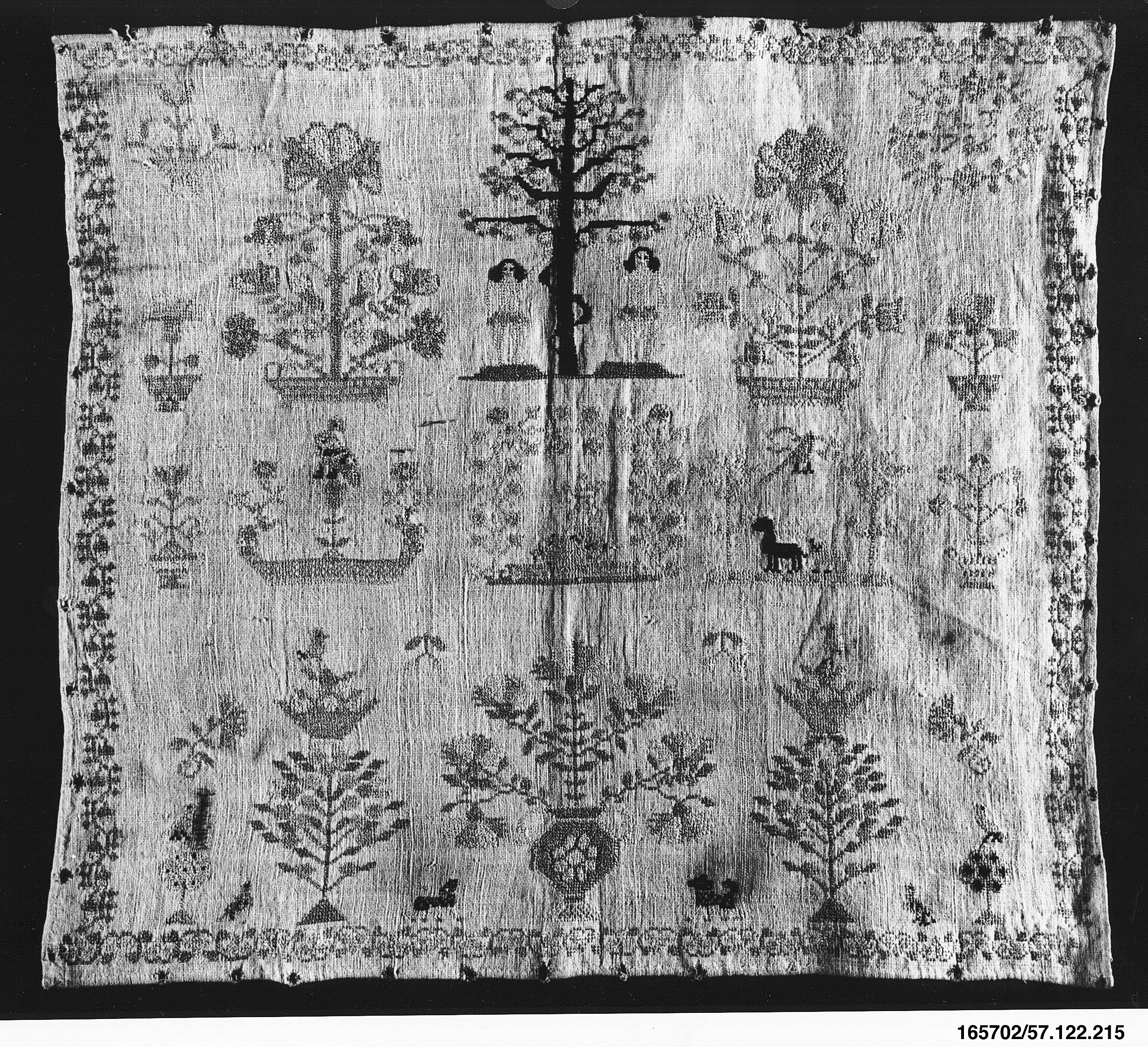
Within the hushed archives of Natalie Fashion Atelier, we encounter a singular artifact: a silk-on-cotton sampler. This piece, isolated from any broader textile context, presents a profound opportunity for aesthetic archaeology. It is not merely a decorative exercise; it is a coded manuscript of technique, tension, and texture. As we approach the 2026 haute couture season, this sampler offers a critical lexicon for redefining luxury silhouettes. The interplay between the lustrous, demanding silk and the matte, yielding cotton base generates a dialectic of control and release—a principle that must inform every seam and drape of the coming year’s most elevated forms.
Materiality as Architectural Principle: The Silk-on-Cotton Tension
The foundational insight from this sampler lies in its material polarity. Silk, with its inherent sheen and structural rigidity when embroidered, acts as the architectural skeleton. It imposes a deliberate, almost calligraphic line upon the softer, breathable cotton ground. This is not a harmonious blend but a productive conflict. The silk thread, under tension, creates a raised, three-dimensional topography. For 2026, this principle translates directly into silhouette construction. We are moving away from purely fluid, unstructured forms. Instead, the new luxury silhouette is characterized by zones of controlled tension—where a silk overlay or embroidered motif acts as a corset-like structure, cinching and defining the body, while the underlying cotton base provides the necessary comfort and organic fall.
This material dialogue informs the “scaffolded softness” trend. A gown’s bodice might be constructed from a double-faced silk-cotton ground, with the silk face used for the exterior, creating a polished, reflective surface. The cotton face, turned inward, offers breathability and a tactile counterpoint. The sampler’s isolated stitches—cross, satin, and stem—become structural darts and seams. Each stitch is a micro-architectural element, a point of force that redirects the fabric’s drape. In 2026, we will see garments where the embroidery is not merely decorative but functional, acting as a system of internal stays that shape the silhouette without visible boning.
Deconstructing Classical Elegance: From Sampler Grid to Body Geometry
The classical elegance of the sampler is rooted in its grid-like composition and the disciplined repetition of motifs. This is not chaotic ornamentation but a precise, mathematical ordering of space. To deconstruct this elegance for 2026, we must extract its underlying geometry and apply it to the human form. The sampler teaches us that elegance is the result of restraint and intentional placement. A single, perfectly executed silk stem stitch along a shoulder seam carries more gravitas than a profusion of haphazard embellishment.
Our aesthetic archaeology reveals that the sampler’s power lies in its negative space—the unembroidered cotton areas that allow the silk to breathe. For the 2026 silhouette, this translates into a focus on asymmetrical, sculptural cutouts that reveal the body as the “cotton ground.” A jacket, for instance, might feature a single, heavily embroidered silk panel across the left shoulder and down the arm, while the right side remains a clean, unadorned cotton canvas. This creates a visual and textural asymmetry that is both classical in its precision and radically modern in its imbalance. The silhouette is no longer a continuous envelope but a series of defined, contrasting zones.
Furthermore, the sampler’s use of isolated motifs—a single flower, a geometric star—offers a blueprint for modular construction. We can envision a 2026 evening ensemble composed of detachable silk-embroidered “patches” that are buttoned or tied onto a cotton base dress. This allows the wearer to modulate the silhouette’s formality and structure, shifting from a minimal, fluid day silhouette to a more architecturally complex evening one. The elegance is in the system, not the static object.
Silhouette Innovations for 2026: The Sampler’s Legacy
Applying these principles, we forecast three distinct silhouette innovations for the 2026 haute couture season, directly informed by the silk-on-cotton sampler.
First: The “Stitched Corset” Silhouette. This is a return to a defined waist, but through a modern, textile-driven lens. The silhouette is built from a cotton base, cut on the bias for fluidity. Over this, a network of silk satin-stitch “ribs” is embroidered directly onto the fabric, creating a structural cage that cinches the waist and flares the hips. The silk threads are the new boning. The result is a silhouette that is simultaneously soft and rigid, historical and futuristic. The classical hourglass is re-articulated through the sampler’s logic of tension and release.
Second: The “Negative Space” Column. This silhouette rejects the full coverage of the classical sampler. Instead, it celebrates the cotton ground through strategic absence. A long, columnar dress in heavy cotton faille is interrupted by a series of precise, laser-cut voids. These voids are then edged and stabilized with a single line of silk chain-stitch, mimicking the sampler’s border motifs. The silk thread becomes the defining line of the silhouette, tracing the body’s contours through absence. The elegance is found in what is removed, with the silk acting as the curator of that removal.
Third: The “Layered Topography” Silhouette. This is the most direct translation of the sampler’s three-dimensional embroidery. The silhouette is built from multiple layers of fine cotton organza, each layer acting as a “ground.” On each layer, a partial silk motif is embroidered. When the layers are assembled, they create a composite, volumetric form. A sleeve, for example, might be constructed from three overlapping organza panels, each bearing a fragment of a larger floral design. The silk threads, catching the light at different depths, create a sense of moving, breathing architecture. The silhouette is not a fixed shape but a dynamic, layered landscape.
Conclusion: The Sampler as a Living Text
The isolated silk-on-cotton sampler, far from being a relic, is a vital, generative text for the 2026 luxury wardrobe. Its classical elegance is not a style to be copied but a system of material intelligence to be decoded. The tension between silk and cotton, the discipline of the grid, the power of negative space—these are the principles that will define the next wave of haute couture silhouettes. At Natalie Fashion Atelier, we do not merely preserve the past; we excavate its techniques to forge a future where every stitch is a structural statement, and every silhouette is a testament to the art of controlled, luxurious restraint. The sampler is our blueprint; the body, our canvas; and 2026, our season of architectural grace.