The Red Quartzite Fragment: An Aesthetic Archaeology of Power and Light
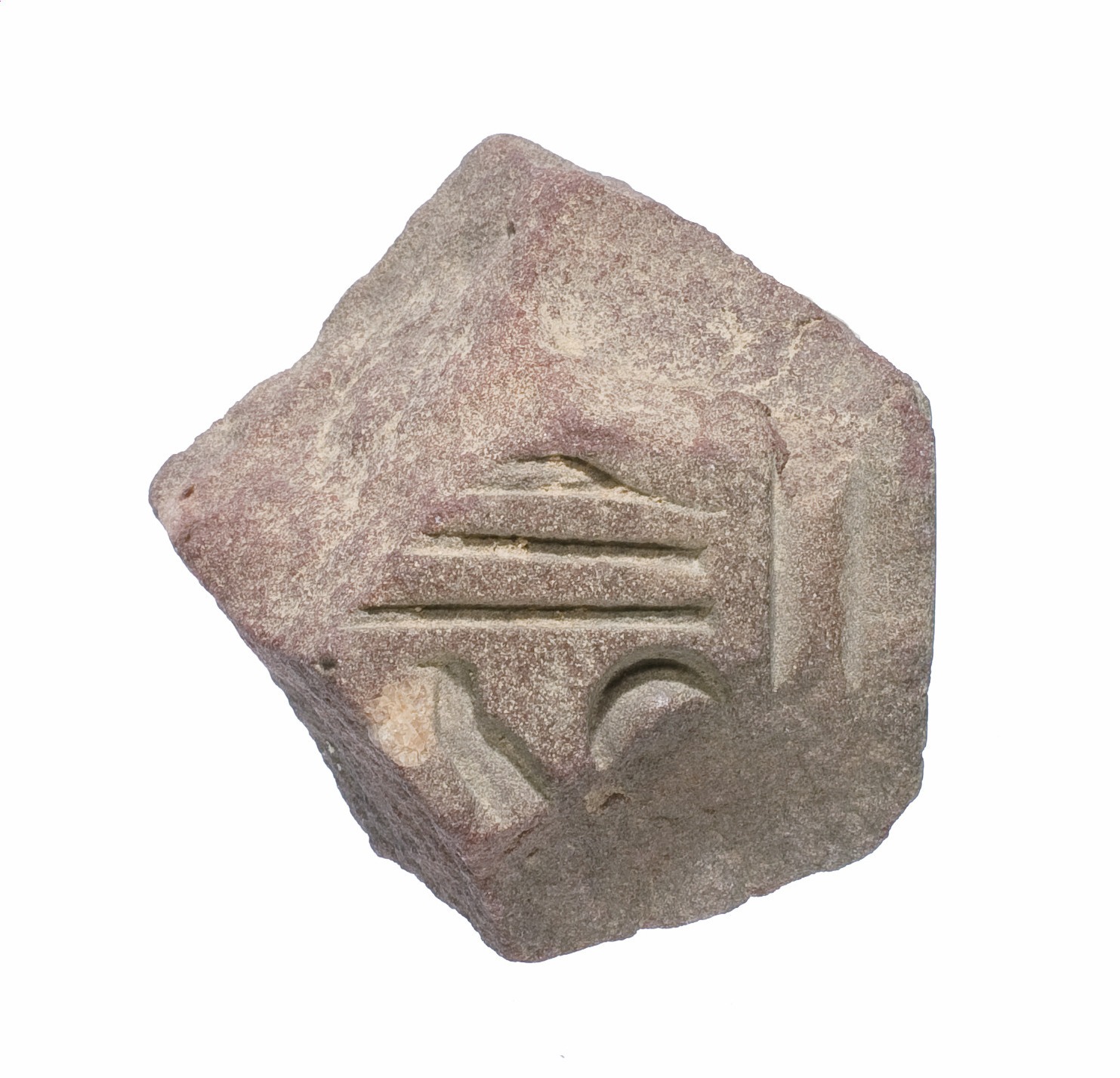
The small block bearing the cartouches of the Aten and Akhenaten is not merely a relic of the Amarna Period; it is a masterclass in the manipulation of material to convey transcendental power. For the Natalie Fashion Atelier, this fragment serves as a pivotal artifact—a bridge between the sun-drenched theology of the 18th Dynasty and the architectural rigor of 2026 haute couture. The red quartzite, chosen by Akhenaten for its solar symbolism and unyielding nature, offers a profound lesson in how materiality dictates silhouette. This research paper deconstructs the classical elegance of the artifact to extract three core principles: geometric tension, translucent opacity, and monumental asymmetry, all of which will define the coming season’s high-end forms.
Materiality as a Silhouette Imperative
The red quartzite of this fragment is not a passive surface. Its microcrystalline structure, when polished, achieves a depth of color that shifts from a deep burgundy to a fiery ochre under changing light. In the context of the Amarna court, this was not decoration; it was a statement of the Pharaoh’s unique access to the Aten’s rays. For 2026, this translates into a new paradigm of fabric engineering. We are not simply draping cloth; we are sculpting with light and density. The quartzite’s inherent hardness informs a silhouette that rejects fluidity in favor of controlled, structural volume. The garment must feel as if it has been carved from a single block, with seams that act as geological fault lines rather than soft transitions.
The classical elegance of the fragment lies in its resistance to entropy. The edges, though chipped, maintain a clear geometric intention. This informs the 2026 “Architectonic” shoulder—a silhouette that extends outward not through padding, but through a rigid, almost cantilevered construction. Think of a double-breasted jacket in a compacted wool-silk faille, where the shoulder line is a straight, unyielding plane, mirroring the flat, polished surface of the quartzite. The color palette is equally imperative: a deep, “Aten Crimson” achieved through a proprietary dye process that layers a translucent carmine over a matte black base, mimicking the stone’s internal glow.
Deconstructing the Cartouche: The Geometry of Power
The preserved names of the Aten and Akhenaten are not written; they are inscribed as a negative space. The hieroglyphs are cut into the stone, creating a play of shadow and light that defines the form. This is a critical lesson for the 2026 silhouette: volume is defined by absence. The classical elegance of the Amarna style, with its elongated necks and attenuated limbs, is re-interpreted not through literal elongation, but through negative-space cutouts that frame the body.
Consider a column gown in a double-faced crepe. The front panel is a solid, monolithic block of color. The back, however, is a masterwork of strategic excision. A single, vertical cutout runs from the nape of the neck to the mid-back, echoing the deep incision of the hieroglyph. This is not a reveal of skin for the sake of sensuality; it is a structural necessity, creating a tension that pulls the fabric taut across the ribcage. The edges of this cutout are finished with a micro-suede piping in a matte black, mimicking the shadow that falls within the stone’s carved letters. The silhouette is thus defined by what is removed, not what is added—a direct homage to the fragment’s aesthetic archaeology.
Translucent Opacity: The Aten’s Light Through Stone
Perhaps the most revolutionary insight from the red quartzite is its translucent opacity. When held to a strong light, the stone does not become transparent; rather, it glows from within, its red hue intensifying. This is the defining material paradox for 2026: a fabric that appears solid yet radiates light. The classical elegance of the Amarna sun disk, the Aten, is not about brightness; it is about internal luminosity.
To achieve this, the Natalie Fashion Atelier is developing a “Luminance Taffeta”—a double-weave of a matte silk charmeuse on the exterior and a high-luster metallic organza on the interior. The outer layer is dyed in the deep, almost opaque red of the quartzite. The inner layer is a pale, sun-bleached gold. When the fabric is gathered or pleated, the gold flashes through the red, creating the illusion of light trapped within the stone. The silhouette for this technique is a “Solar Flare” sleeve—a bishop sleeve that is tight at the bicep and explodes into a rigid, fan-like pleat at the wrist. The pleats are not pressed; they are heat-set into a permanent, architectural fold, ensuring that the light-play remains constant regardless of movement. This is not a garment that moves with the body; it is a garment that commands its own light field.
Monumental Asymmetry: The Fragment’s Imperfect Perfection
The artifact is a fragment, a small block with parts of names preserved on two adjacent sides. Its power lies in its incompleteness. The viewer is forced to reconstruct the whole from the part. For 2026, this translates into a new grammar of asymmetry—not the playful asymmetry of a one-shoulder dress, but a monumental, almost brutalist asymmetry that suggests a larger, unseen structure.
The silhouette is a “Fragment Coat” in a heavy, fulled wool. The left side is a classic, floor-length coat with a clean, straight hem. The right side is cut away at a sharp, diagonal angle, ending at the hip. The cut is not soft; it is a straight, laser-like line that reveals a structured, sculpted dress beneath. The coat’s collar on the left side is a traditional notched lapel; on the right side, it is a high, standing collar that wraps around the neck, echoing the vertical edge of the stone block. The entire garment is designed to feel as if it has been unearthed from a larger, more complete form. The asymmetry is not a design choice; it is an archaeological necessity.
Conclusion: The 2026 Silhouette as a Carved Artifact
The red quartzite fragment of Akhenaten is not a historical curiosity; it is a technical blueprint for the future of couture. Its classical elegance—born from the tension between solar theology and rigid materiality—informs a 2026 silhouette that is monumental, luminous, and deliberately incomplete. The Architectonic shoulder, the negative-space cutout, the Luminance Taffeta, and the Fragment Coat are not mere trends; they are the direct result of an aesthetic archaeology that treats the body as a surface for carved light. The Atelier’s mission is clear: to transform the stone’s silent power into a wearable, moving monument. The red quartzite does not whisper; it commands. And in 2026, so will the silhouette it inspires.