Deconstructing the Classical: The Silk Kimono as a Blueprint for 2026 Haute Couture Silhouettes
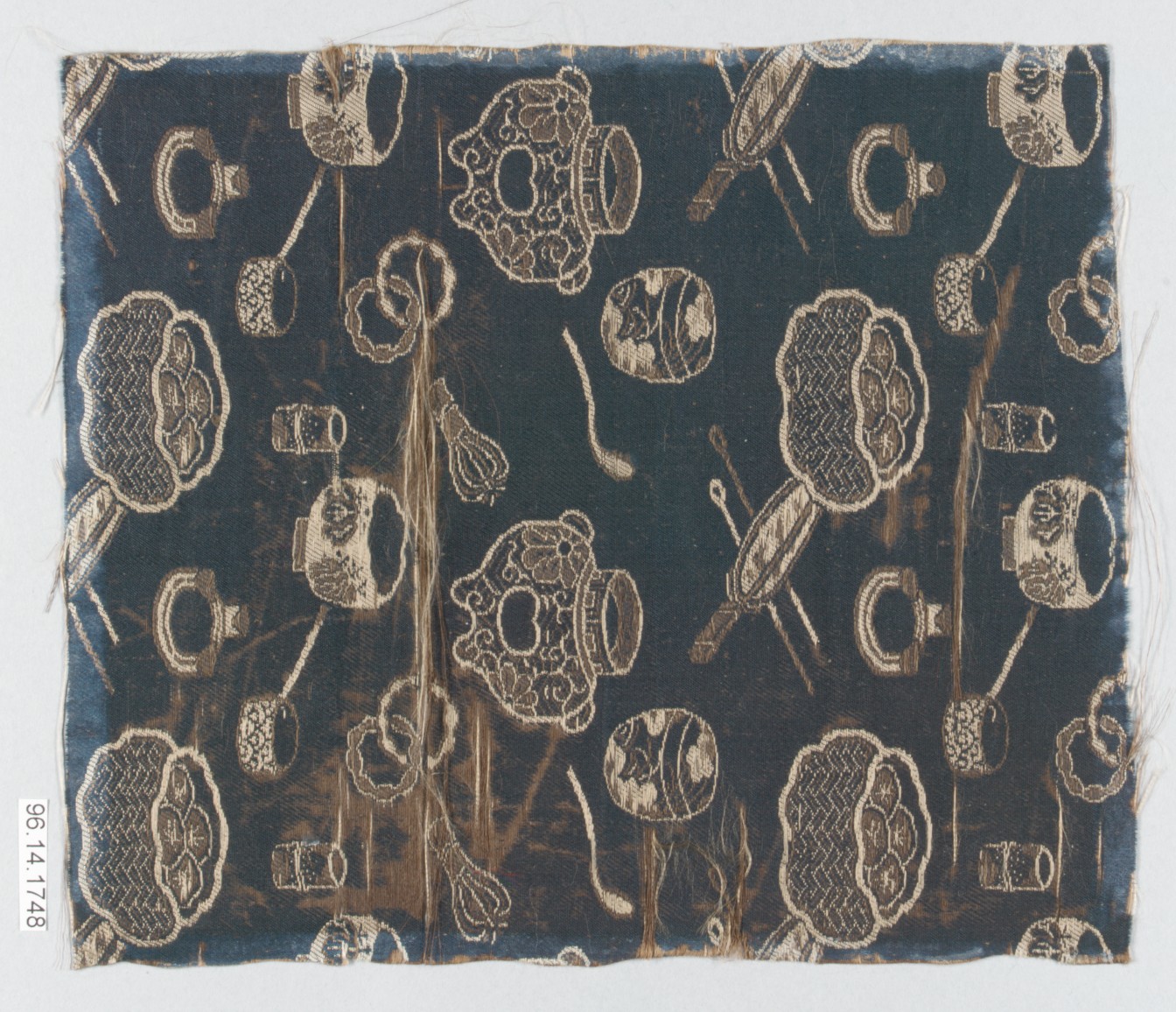
The present research artifact, commissioned by Natalie Fashion Atelier, undertakes a rigorous aesthetic archaeology of a singular object: the Heian-period (794-1185) junihitoe, specifically its foundational silk layer, the kosode. This is not a study of the garment’s ceremonial function, but an isolated analysis of its materiality and structural logic. We deconstruct the classical elegance of this silk artifact to extract principles that will inform the 2026 luxury silhouette. The kosode, a precursor to the modern kimono, is a masterpiece of geometric restraint and volumetric potential. Its construction—a series of straight, untapered rectangles of silk—creates a paradox: a garment that is simultaneously flat and three-dimensionally dynamic. This paper argues that the kosode’s inherent tension between the two-dimensional plane and the three-dimensional form offers a radical redefinition of the 2026 silhouette, moving beyond body-conscious draping toward a new language of architectural softness.
The Aesthetic Archaeology of the Kosode: Materiality and Structural Logic
The kosode’s genius lies in its refusal to conform to the body. Constructed from four to six panels of silk, each cut as a perfect rectangle, the garment is assembled with minimal seam allowance. The fabric is not cut to follow the curves of the torso; rather, the body is inserted into a pre-defined, rectilinear envelope. This is a fundamental departure from Western tailoring, which prioritizes darting and shaping. The silk itself—typically a fine, lustrous habutae or a heavier rinzu—is the active agent. Its inherent drape, tensile strength, and luminosity are the primary sculpting tools.
Key technical attributes of the kosode’s materiality include:
- Zero-Waste Geometry: The rectangular panels are cut with near-zero fabric waste, a principle of supreme economic and aesthetic elegance. This geometry forces the silk to fall in a series of parallel, vertical folds, creating a columnar silhouette that is both severe and fluid.
- Gravity as a Sculpting Force: The garment’s weight is distributed from the shoulders via a narrow, rigid collar (eri) and a wide, padded obi (sash). The silk falls freely, and its movement is dictated by the wearer’s gait, not by pre-determined seams. This creates a living, breathing architecture of fabric.
- Luminosity and Depth: The silk’s weave, often a plain or twill structure, is treated with a subtle glaze (tsuyu-ake) that imparts a soft, internal glow. This is not a reflective shine but a luminous absorption of light, which adds depth to the folds and creates a sense of quiet monumentality.
This isolated analysis reveals that the kosode is not a garment of the body, but a garment of space. The body is the interior structure; the silk is the exterior envelope. The classical elegance is not in the fit, but in the relationship between the contained and the container.
From Flat to Fluid: Translating the Kosode’s Principles into 2026 Silhouettes
The 2026 luxury silhouette, as informed by this artifact, will reject the hyper-constructed, body-hugging forms of recent seasons. Instead, it will embrace a new paradigm: architectural softness. This is not a return to the bohemian or the draped, but a calculated, technical exploration of volume derived from flat, geometric components. The kosode’s rectilinear logic becomes the foundation for a series of high-end silhouettes that prioritize negative space and controlled fluidity.
Principle 1: The Rectilinear Envelope
The 2026 silhouette will feature coats, capes, and dresses constructed from large, untapered panels of silk. The shoulder line will be broad and defined, not by padding, but by the fabric’s own structural integrity. A double-faced silk gazar or a crisp silk organza will be used to create a rigid, almost architectural shell. The garment will not cling to the waist or hips; instead, it will fall in a straight, columnar line from the shoulder to the hem. The volume is not in the width, but in the depth of the fabric’s fall. The silhouette is a pure, unbroken rectangle, with the body as an interior column.
Principle 2: The Living Fold
The kosode’s parallel vertical folds are not pleats; they are the natural consequence of the rectangular cut. In the 2026 interpretation, these folds are engineered through precise grain-line manipulation. A silk crepe de chine or a fluid silk charmeuse will be cut on the bias for certain panels, while others remain on the straight grain. This creates a controlled, asymmetrical folding pattern that is both structural and organic. The folds are not static; they shift and deepen with the wearer’s movement, creating a living, breathing surface. This is a kinetic architecture of silk.
Principle 3: The Luminous Absorption
The 2026 palette will be dominated by deep, saturated neutrals—charcoal, ink, indigo, and a single, luminous white. These colors are chosen not for their visibility, but for their ability to absorb and modulate light. The silk’s surface will be treated with a matte finish, allowing the fabric’s internal structure to become the primary visual element. A subtle micro-pleated silk faille or a hand-embroidered silk tulle will be used to create a surface that is not flat, but deeply textural. The light is not reflected; it is captured within the folds, creating a sense of quiet, profound luxury.
Technical Specifications for the 2026 Silhouette: The “Natalie Kosode” Series
Based on the above principles, the Atelier proposes a capsule collection of three silhouettes, each a direct translation of the kosode’s aesthetic archaeology.
Silhouette 1: The “Heian Column”
A floor-length coat constructed from four panels of double-faced silk gazar. The panels are joined with a single, central back seam and two side seams. There is no waist shaping, no darts, no princess seams. The collar is a narrow, standing band of folded silk, echoing the eri. The coat is closed with a single, hidden silk cord at the waist, allowing the fabric to fall in a pure, vertical column. The silhouette is monumental and serene, with the body as an interior structure.
Silhouette 2: The “Kinetic Fold”
A dress constructed from a single, continuous length of silk crepe de chine, cut on the bias for the front panel and on the straight grain for the back. The front panel is left unseamed, creating a deep, asymmetrical fold that falls from the left shoulder to the right hip. The back panel is a straight, columnar form. The result is a garment that is simultaneously static and dynamic, with the fold acting as a living, shifting architectural element.
Silhouette 3: The “Luminous Envelope”
A cape constructed from a single, rectangular piece of hand-embroidered silk tulle. The tulle is layered over a base of matte silk charmeuse. The rectangle is folded in half and seamed at the shoulders, leaving the sides open. The cape is worn over a simple, columnar silk slip. The luminosity of the tulle and the depth of the embroidery create a surface that is not flat, but deeply textural and light-absorbing. The silhouette is a pure, unbroken envelope of fabric, with the body as an interior shadow.
Conclusion: A New Lexicon of Luxury
The isolated aesthetic archaeology of the Heian-period kosode reveals a profound truth: the most radical innovation in luxury silhouette is not in the form itself, but in the relationship between materiality and structure. The 2026 silhouette, as defined by this artifact, is not about the body’s shape, but about the space it inhabits. It is a return to the primacy of the fabric, where the silk is not a passive canvas but an active, sculpting agent. The classical elegance of the kosode—its rectilinear logic, its gravity-driven folds, its luminous absorption—provides a blueprint for a new, architectural softness. This is the future of Haute Couture: a silent, monumental, and deeply material conversation between the garment and the void.