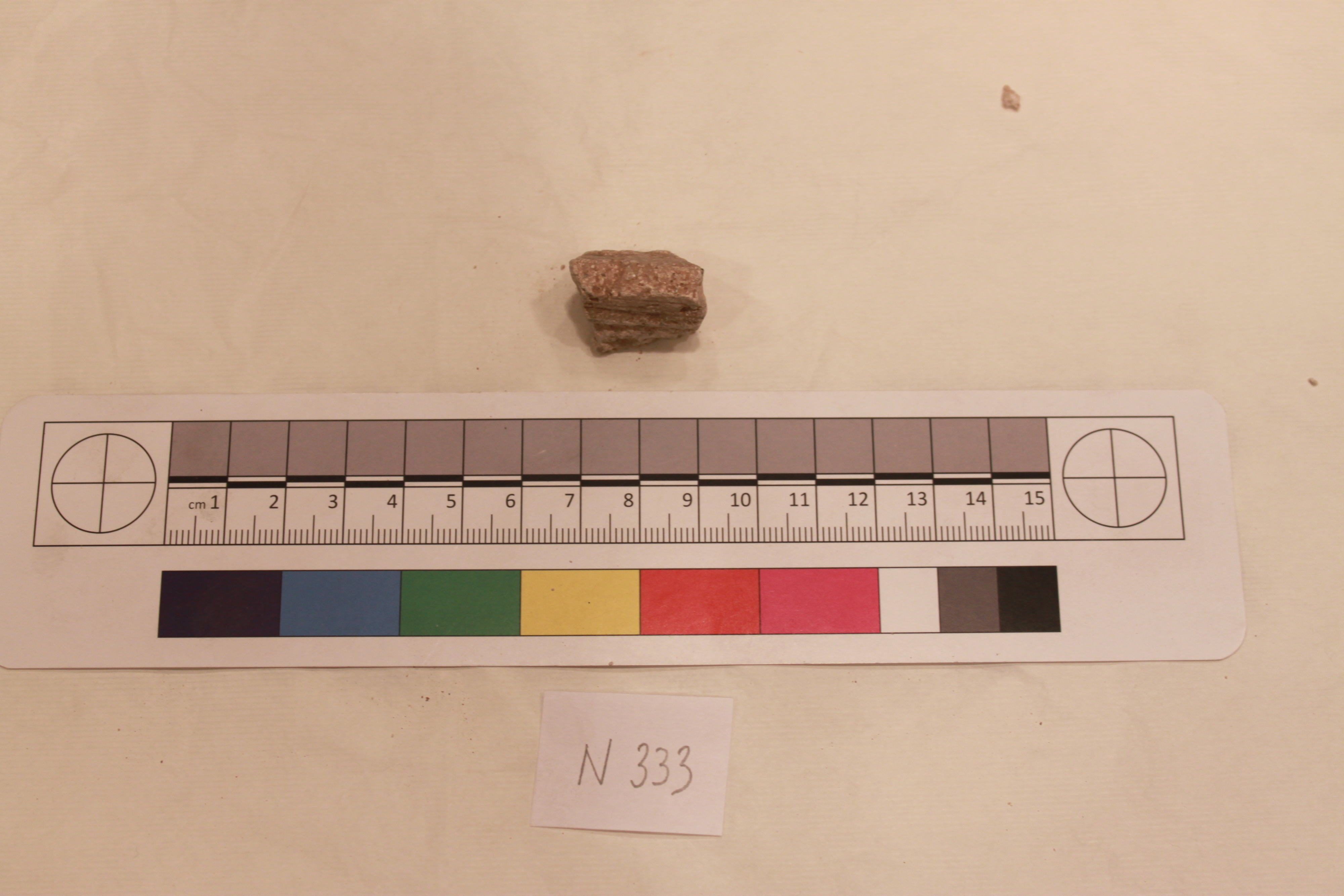
The Fractured Elegance: A Stucco Fragment as a Blueprint for 2026 Haute Couture Silhouettes
Within the quiet archives of aesthetic archaeology, a single stucco fragment—a carved relic of classical antiquity—offers a profound dialogue with the future of luxury. This artifact, stripped of its original architectural context, presents an isolated study in materiality, form, and the poetics of decay. For Natalie Fashion Atelier, this fragment is not merely a historical specimen; it is a rigorous design brief for the 2026 haute couture season. By deconstructing its classical elegance, we uncover a lexicon of structural tension, textured surface, and asymmetrical grace that directly informs the next generation of high-end silhouettes.
Materiality and the Archaeology of Surface
The stucco fragment’s primary narrative is one of materiality. Carved from a composite of lime, sand, and marble dust, its original intention was to mimic the luminosity of stone while allowing for intricate, fluid detailing. Over centuries, this surface has undergone a process of aesthetic aging—cracking, chipping, and patination—that transforms its pristine classical form into a textured, archaeological relic. For the 2026 silhouette, this informs a new approach to fabric treatment. We are exploring “fossilized” textiles—heavy silk gazar and organza treated with micro-encapsulated resins that create a calcified, brittle-like finish. The surface is no longer smooth; it is a topography of memory. Garments will feature carved seams that mimic the fragment’s chiseled edges, where the fabric appears to have been excavated rather than sewn. This technique, achieved through laser-cut layering and hand-applied bonding, creates a three-dimensional relief that echoes the stucco’s original carved details—acanthus leaves, geometric friezes, or abstracted floral motifs—now abstracted into modern, architectural lines.
Structural Tension: From Architectural Support to Silhouette
The fragment’s structural integrity, even in its broken state, reveals a core principle of classical design: balance through tension. The original stucco work was applied over a wooden or stone armature, with the carving creating a dynamic interplay between support and ornament. In the 2026 silhouette, this translates into a deconstructed corsetry that is both structural and ornamental. The silhouette will be defined by exoskeletal boning—visible, architectural stays that wrap the torso like a fragmented column. These are not hidden beneath the fabric but are instead integrated as a primary design element, crafted from polished metal, resin, or carved wood. The line of the garment will follow the logic of the fragment: a sharp, asymmetrical shoulder that mimics a broken cornice; a draped, cascading skirt that echoes the flow of a fallen capital. The negative space between these structural elements becomes as important as the fabric itself, creating a silhouette that is simultaneously rigid and fluid, classical and avant-garde.
The Poetics of the Fragment: Asymmetry and the Unfinished
The stucco fragment’s most powerful aesthetic contribution is its inherent incompleteness. It is a part standing for a whole, a whisper of a grander narrative. For haute couture, this concept of the “unfinished masterpiece” is revolutionary. The 2026 silhouette will embrace asymmetrical hemlines that appear to be torn or eroded, not by accident but by design. Gowns will feature cutaway sections that reveal a secondary layer of contrasting texture—perhaps a raw silk lining against a polished satin shell, mimicking the stucco’s exposed core. The neckline will be a fractured arc, one shoulder fully covered, the other bare, with a sharp, diagonal line that recalls the fragment’s broken edge. This is not a silhouette of perfection but one of archaeological discovery, where the wearer becomes a living artifact, a vessel for history. The draping technique will be informed by the way the stucco once clung to its armature—folds and pleats that appear to have been set in stone, then gently fractured over time.
Color Palette and Surface Treatment
The fragment’s color palette is a study in mineral elegance. The base is a warm, off-white limestone, overlaid with veins of ochre, umber, and a faint, oxidized verdigris. For 2026, the couture palette will move away from stark whites and toward “excavated” tones: pierre de taille (quarried stone), terre cuite (baked earth), and patina bronze. Fabrics will be treated with hand-painted gradients that simulate the slow accumulation of dust and mineral deposits. A single gown might transition from a pale, almost luminous cream at the shoulder to a deep, sedimentary taupe at the hem. Embellishments will be archaeological in nature: tiny, irregular beads of carved bone and mother-of-pearl that resemble scattered mosaic tesserae; metallic threads woven to mimic the veins of marble; and appliqué “fragments” of leather or suede that are deliberately distressed and sewn on as if unearthed from the garment itself.
Silhouette Archetypes: The Column and the Capital
Two primary silhouette archetypes emerge from the stucco study. The first is the “Column”—a long, uninterrupted line from shoulder to floor, constructed from a single, heavy fabric that is carved with deep, vertical pleats. This silhouette is a direct homage to the fluting of a classical column, but with a twist: the pleats are not uniform. They are “eroded” at the hem, some fading away entirely, others deepening into sharp, shadowed crevices. The second archetype is the “Capital”—a voluminous, sculptural shoulder or hip detail that mimics the ornate carving of a Corinthian capital. This is achieved through engineered ruffles that are stiffened and shaped to resemble acanthus leaves, or through padded, architectural sleeves that stand away from the body like a broken scroll. Both archetypes are united by a philosophy of structural reduction: every line, every fold, every seam must serve a dual purpose of support and ornament, just as the stucco fragment once did.
The 2026 Manifesto: Luxury as Archaeological Narrative
In conclusion, the stucco fragment is not a relic of the past but a prophetic blueprint for the future of luxury. For Natalie Fashion Atelier, the 2026 haute couture collection will be defined by material memory, structural honesty, and the poetics of decay. The silhouette will be a dialogue between the classical and the contemporary, where a broken cornice becomes a shoulder line, and a chipped edge becomes a hem. This is a luxury that does not seek to hide its history but to wear it as a badge of authenticity. The garment becomes a portable artifact, a piece of aesthetic archaeology that the wearer inhabits. The 2026 silhouette is not merely a shape; it is a narrative of time, material, and the enduring elegance of the fragment. It is, in essence, the stucco fragment made wearable—a testament to the fact that in haute couture, as in archaeology, the most powerful beauty is often found in what remains.