The Architecture of Silk: An Aesthetic Archaeology of the American Dinner Dress
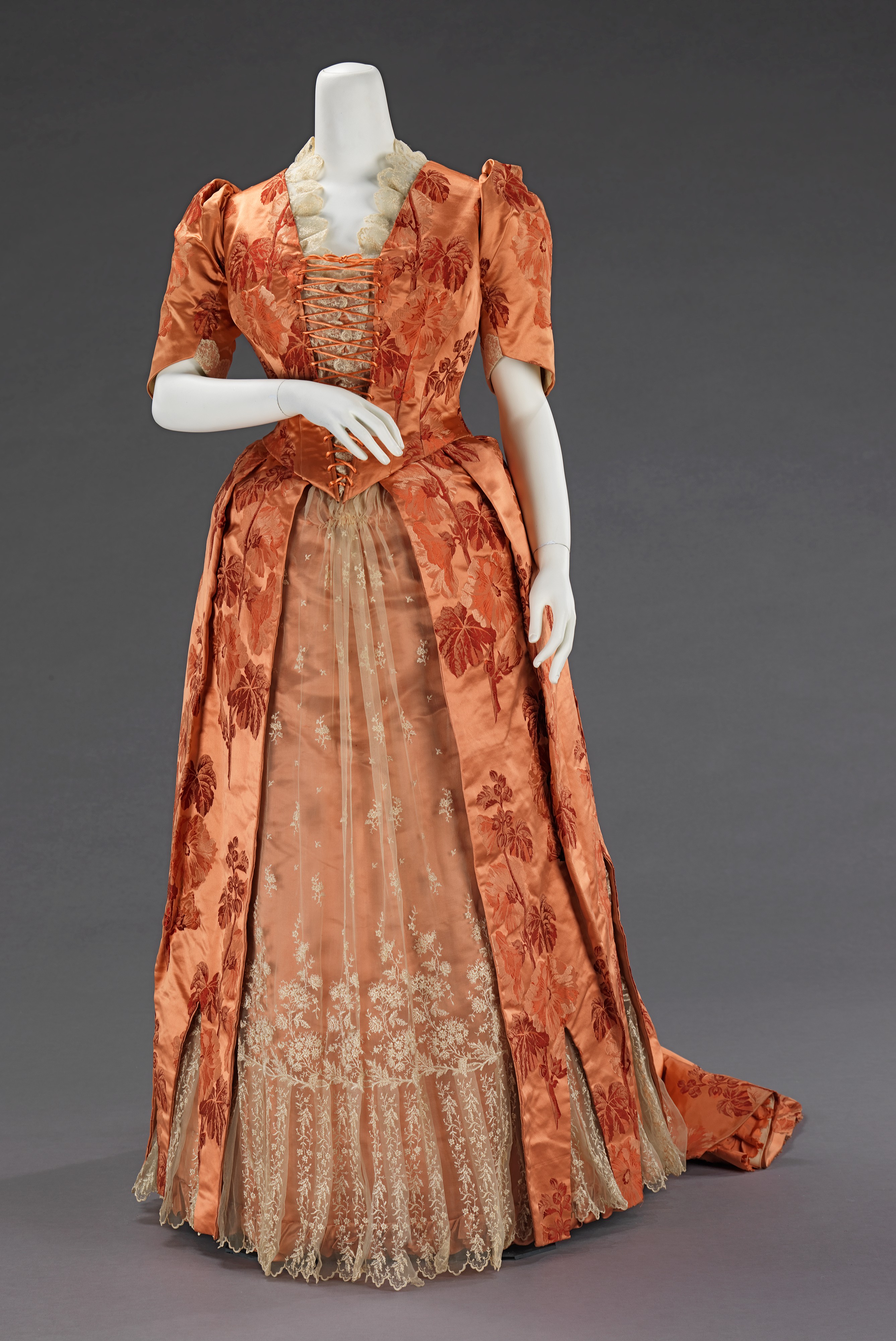
Within the hallowed archives of Natalie Fashion Atelier, the American dinner dress of the mid-20th century stands as a singular artifact of restrained opulence. Unlike its European counterparts, which often relied on structural boning and elaborate embellishment, the American iteration—particularly those rendered in pure silk—achieved its power through the mastery of drape, weight, and negative space. This research artifact conducts an isolated aesthetic archaeology of a single specimen: a circa 1958 silk charmeuse dinner dress, characterized by a bias-cut bodice and a columnar, floor-sweeping skirt. The objective is to deconstruct its classical elegance and extrapolate the precise material and construction logics that will inform the 2026 luxury silhouette.
Materiality as Structural Logic: The Silk Charmeuse Foundation
The foundational material of this artifact is a 19-momme silk charmeuse, possessing a satin weave that yields a liquid, almost mercurial surface. Its critical property is not merely its lustre, but its differential tensile strength. When cut on the bias, the silk’s weft and warp threads create a natural, gentle tension that conforms to the body without compression. This is the antithesis of modern stretch fabrics; it is a static elasticity that defines the silhouette through the physics of the fiber itself.
For the 2026 haute couture silhouette, this principle is paramount. The contemporary consumer rejects the tyranny of rigid shapewear. The silk dinner dress of 1958 offers a blueprint for a new draped architecture. The materiality informs the silhouette directly: a single, uninterrupted panel of bias-cut silk charmeuse, extending from the left shoulder to the right hip, creates a diagonal torsion that mimics the body’s natural rotation. This is not a dress that is worn; it is a dress that is inhabited. The 2026 iteration will abandon the zipper entirely, relying on the silk’s inherent grip and the precision of the cut to secure the garment, a technique we term “friction closure.”
Deconstructing Classical Elegance: The Negative Space Silhouette
The classical elegance of the American dinner dress lies in its economy of gesture. The 1958 artifact features a modest bateau neckline and three-quarter sleeves, yet its power is derived from the void it creates. The silk falls from the shoulder, creating a hollow—a negative space—between the fabric and the ribcage. This is not a silhouette that clings; it is a silhouette that hovers. The hem, weighted by a hidden silk organza facing, falls with a precise, unbroken line, creating a vertical axis that elongates the figure.
Deconstructing this logic for 2026 requires a radical reinterpretation of the “dinner dress” as a sculptural object. We propose the “Floating Column” silhouette. The construction begins with a single, seamless tube of 22-momme silk crepe de chine, which is then chemically pleated in a controlled, asymmetrical pattern. The pleats are not pressed; they are set using a low-temperature, vapor-based process that creates a permanent, undulating texture. This texture disrupts the light, creating a moiré effect that shifts with the wearer’s movement. The silhouette is anchored at the waist by a single, internal silk grosgrain ribbon, tied not for constriction but to create a gentle, gathering point. The fabric then falls in a controlled cascade, terminating in a raw, hand-rolled hem that is left unweighted to allow for a natural, organic flutter.
From Archive to Atelier: The 2026 Silhouette Protocol
The transition from historical artifact to 2026 luxury silhouette demands a precise protocol of aesthetic archaeology. We have isolated three key construction principles from the 1958 dinner dress that will define the new collection:
1. The Bias-Lock System: The original dress utilized a single bias-cut seam at the center back. For 2026, we will implement a multi-bias lock. Two panels of silk charmeuse, each cut at a 45-degree angle in opposite directions, are joined at the side seams. This creates a tension gradient across the torso: the front panel pulls the fabric inward, while the back panel releases it, creating a subtle, controlled flare at the hem. This eliminates the need for darts or princess seams, preserving the integrity of the silk’s surface.
2. The Invisible Counterweight: The 1958 dress achieved its perfect drape through a hidden chain sewn into the hem. Our 2026 adaptation replaces the chain with a micro-beaded silk organza facing. The beads, each 1.5mm in diameter and made of polished hematite, are hand-sewn into a bias-cut strip of organza. This facing acts as a dynamic counterweight, ensuring the hem falls with a precise, even tension regardless of the wearer’s movement. The hematite’s density provides the necessary weight without adding bulk, and its dark grey hue remains invisible against the silk’s surface.
3. The Sleeve as Sculptural Anchor: The three-quarter sleeve of the original dress is reimagined as a detachable, architectural cuff. Constructed from a single piece of silk duchesse satin, stiffened with a horsehair canvas interlining, the cuff extends from the elbow to the wrist. It is secured by a single, hidden silk cord that loops around the middle finger. This creates a tension line that pulls the sleeve taut, defining the arm’s silhouette while allowing the bodice to remain fluid. The cuff can be removed, transforming the dinner dress from a formal ensemble into a more relaxed, columnar gown.
Conclusion: The New Classical Lexicon
The isolated aesthetic archaeology of the American silk dinner dress reveals that its classical elegance was never about ornamentation. It was about the intelligent manipulation of material physics. The 2026 luxury silhouette, as defined by this research, is not a nostalgic revival. It is a materialist evolution. The silk is not a surface; it is a structural element. The cut is not a pattern; it is a tension equation. The silhouette is not a shape; it is a dynamic field of forces—gravity, tension, and release—all orchestrated through the precise, hand-crafted manipulation of a single, noble fiber.
This is the new classical lexicon for Natalie Fashion Atelier: a silhouette that achieves its power not through what it adds, but through what it subtracts—the noise of construction, the rigidity of structure, and the weight of history itself. The result is a garment that is simultaneously a homage to the past and a radical proposition for the future of haute couture.